_811205.png)
_e196d8.png)
_32b3d9.png)
_1c53fe.png)

Overlooked and Underappreciated
There are multiple variations of the internal combustion engine, but the most common would be the 4-cylinder. This configuration has long served as the middle ground for automotive manufacturers, serving as the go-to "normal" engine offering, with few exciting applications.
However, some 4-cylinders had, over time, become loved for one reason or another, whether for performance or reliability. Given the sheer number of production engines, we decided to highlight just five that we think deserve the status of icons. Of note, the engines below are in no way listed in any order.
Honda K-Series Engines
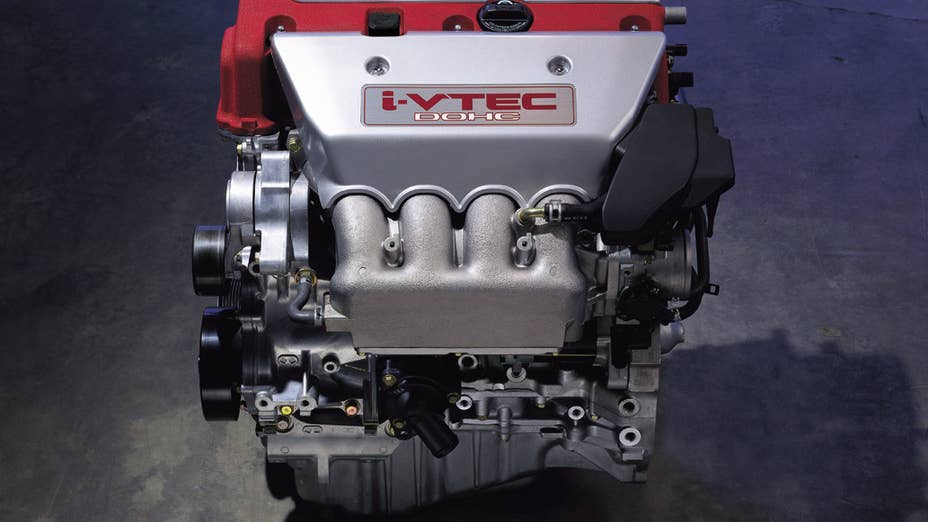
We're starting off with an obvious one. The K-Series by Honda is widely regarded as one of the best "all-rounder" engines ever produced. Initially used in a mass market setting, sitting in iconic models like the Civic, CR-V, Accord, and many more. Not only has it been praised for its reliability, but over the years, people have been swapping the K engine into their older project cars because of its tuning potential and higher output in stock form.
Mitsubishi 4G63T
Joel Stocksdale
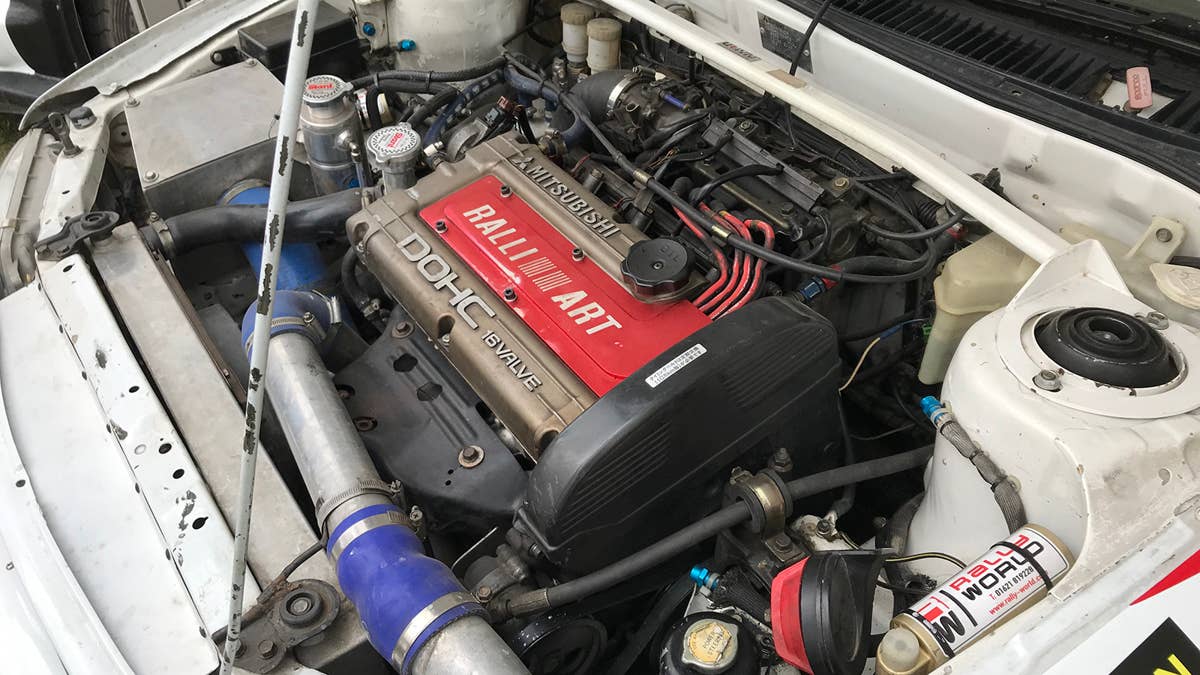
The Japanese really know their stuff when it comes to maximizing engines, and the 4G63T is a prime example. It started out life as a standard, mass-produced 4G63 engine in 1980 and received a performance boost in 1987 with a turbo (hence the "T" suffix). It proved itself a stalwart in performance and reliability during Mitsubishi's heyday of rallying. The engine was so good that it remained in production until the Lancer Evolution IX in 2007. It was also a favorite among tuners because of the cast-iron block; although heavier than the K-Series, it could withstand more power and boost when tuned.
Volkswagen EA888
James Ochoa
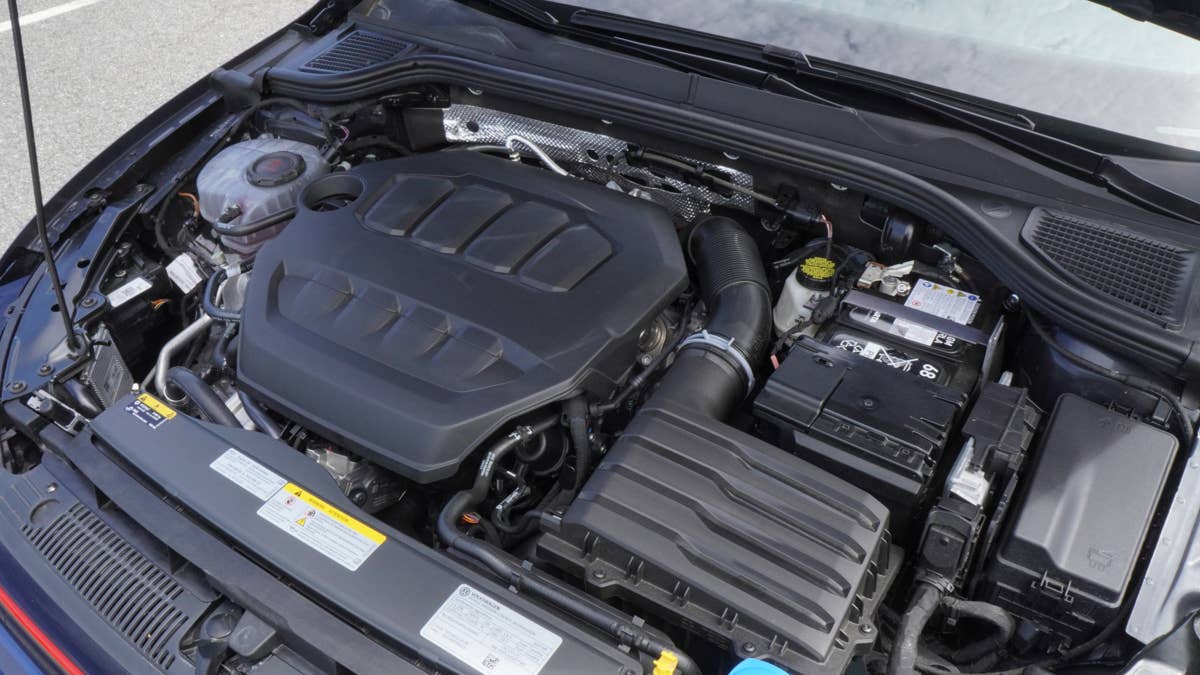
Moving on to something more modern and European is Volkswagen's "jack of all trades" engine. Officially known as the EA888, it was introduced in 2006 and has since then been used to power the Golf GTI, some Audi S models, and even the Porsche Macan. Volkswagen designed the engine from the ground up to support direct injection and turbocharging. It features a lightweight cast-iron block and an aluminum dual-overhead cam.
Toyota 22R-E
mymotorlist.com
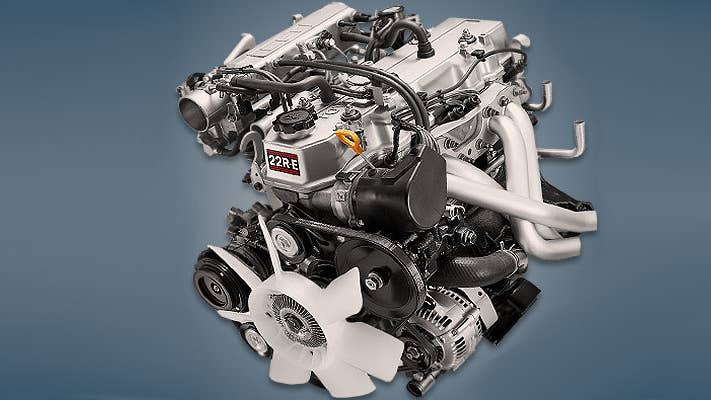
This one is pure reliability and simplicity. Toyota is known to build some of the most reliable cars in the world, but the 22R-E is a notch above the rest. Built from 1985 to 1997, the 22R-E was used primarily on the brand's larger cars, such as the Hilux and 4Runner, but also appeared briefly in the 1985 Celica. 22 represents the 22nd generation of the "R" engine family, R denotes the engine block series, and -E signifies Electronic Fuel Injection (EFI). Some people have said it can last up to 500,000 miles purely on proper maintenance and fluid replacements.
Willy's Go-Devil & Hurricane
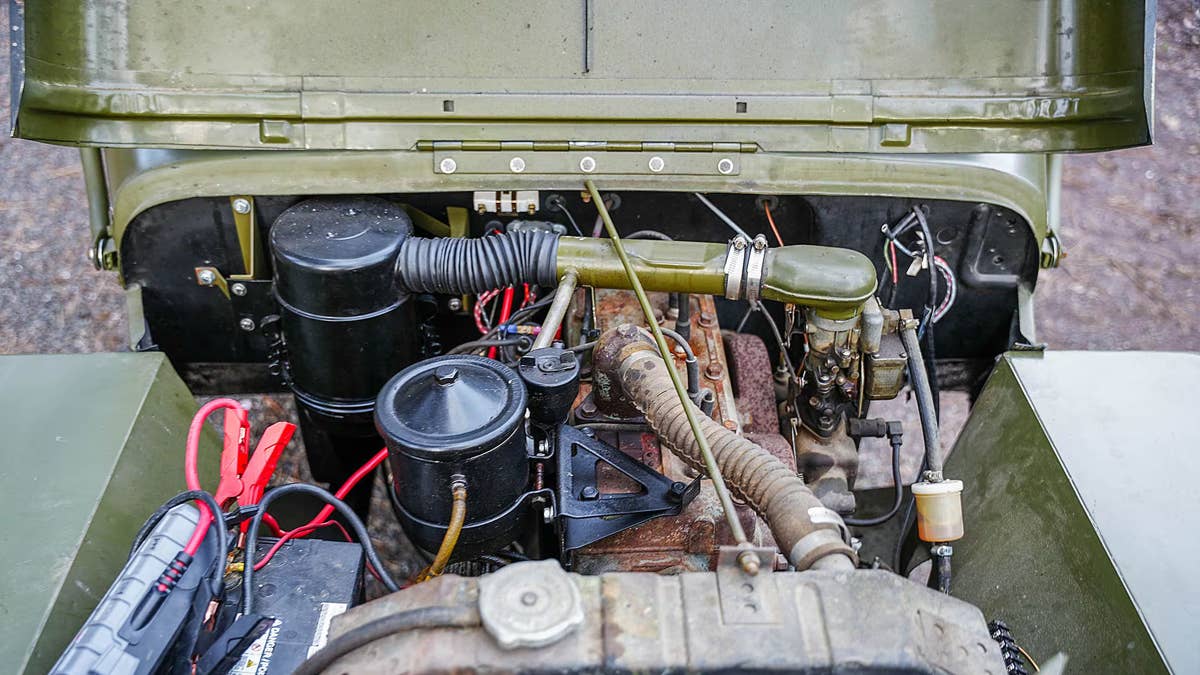
America's entry is also revered for its dependability and reliability, except this one's actually been "battle tested." It was designed and built for the Willys Jeep, which we know as the iconic World War II field vehicle. It was built after the Military needed an engine that could operate upside down or submerged (with mods) and keep operating temperatures low under heavy load. The Go-Devil's design prioritized mechanical simplicity, easy to repair on the go, and low-end torque over outright speed. It would see civilian use through the early Jeep CJ production models.
Join the conversation
You can post now and register later. If you have an account, sign in now to post with your account.