_811205.png)
_e196d8.png)
_32b3d9.png)
_1c53fe.png)

Buying from legacy automakers used to offer customers peace of mind and an easy ownership experience. But what happens when the manufacturers that are meant to be building robust and reliable vehicles drop the ball? Customers pay the price.
The automotive landscape of 2026 tells the story of automakers frantically pushing to meet incessantly changing regulations as well as deliver shareholder profits. The result is downsized engines with turbochargers and hybrid systems incorporated, causing a massive wave of premature engine failures, class-action lawsuits, and historic highs of federal-level recalls. If you are currently in the market for a new car, automotive consultant Shari Prymak, aka Car Help Corner on YouTube, highlights which legacy brands warrant a deeper dive before signing finance and purchase papers.
1. General Motors - 1.2L Turbo 3-Cylinder
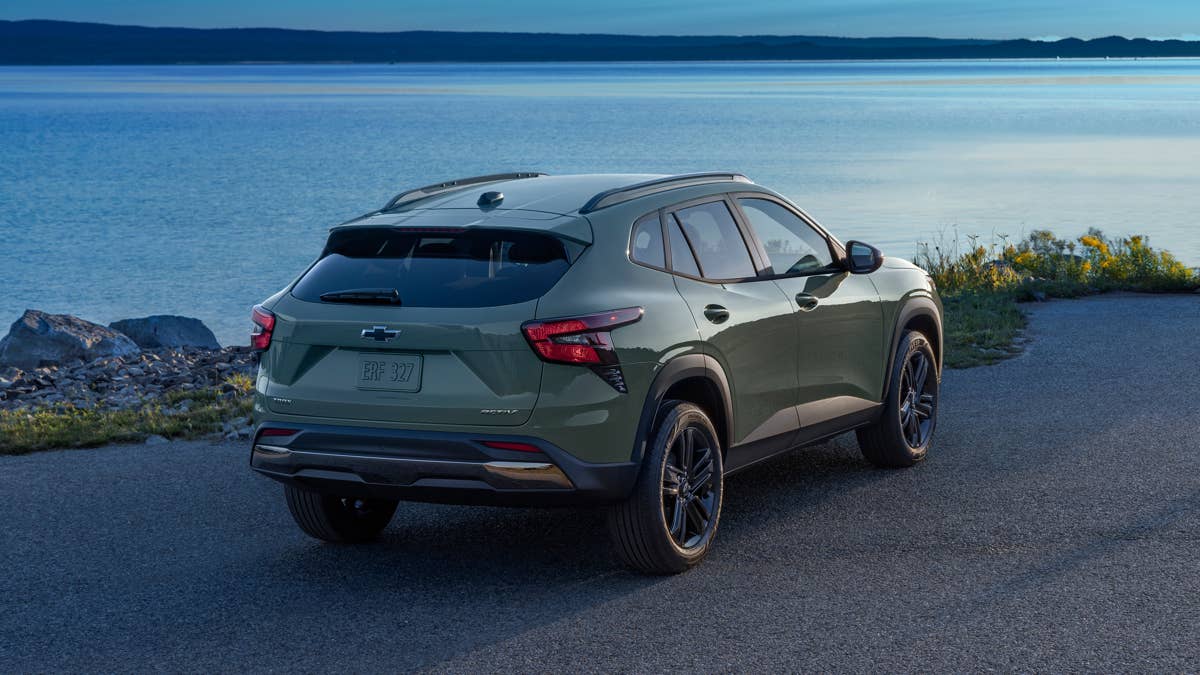
Chevrolet
GM's little 1.2-liter, 3-cylinder powerplant, which powers the Chevrolet Trax, Chevrolet Trailblazer, Buick Envista, and Buick Encore, is currently facing a class-action lawsuit with owners reporting catastrophic engine failure. Internal damage, ranging from shredded bearings and bent connecting rods, is causing sudden and dangerous engine failure. This issue is currently exacerbated by the fact that owners report month-long waiting periods for replacement motors. Reports suggest that the reason for damage to the internals is the high stress these engines experience due to high compression designs, common amongst turbocharged powerplants, and extreme operating temperatures.
2. Nissan - 1.5L VC-Turbo 3-Cylinder
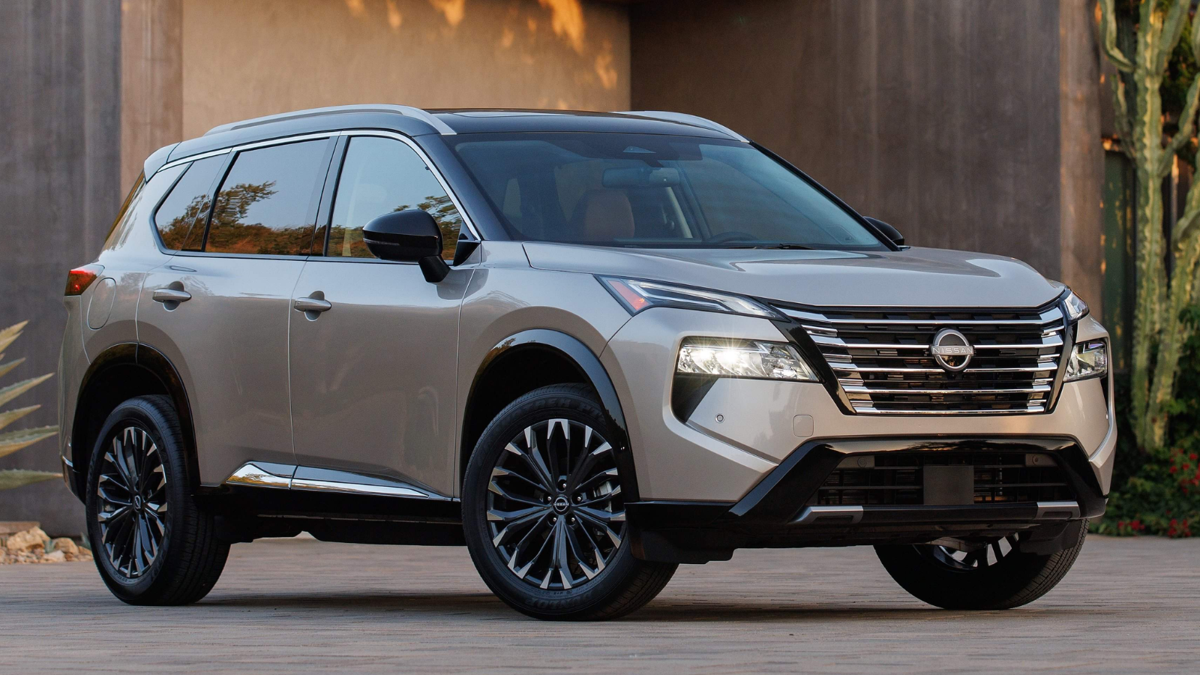
The Nissan Rogue stands out as the absolute nightmare for Nissan. Following a massive recall of half a million units in the summer of 2025, Nissan doubled down in February of 2026 with an additional 650,000 unit recall. The culprit? Nissan's variable compression (VC) 1.5-liter motor. Extremely high oil temperatures cause the oil to break down rapidly, causing the engine bearings to seize, thereby bricking the motor. You may be starting to notice a pattern at this point; most of these failing motors are turbocharged, high-compression motors.
3. Volkswagen - 2.0L EA888 Turbo 4-Cylinder
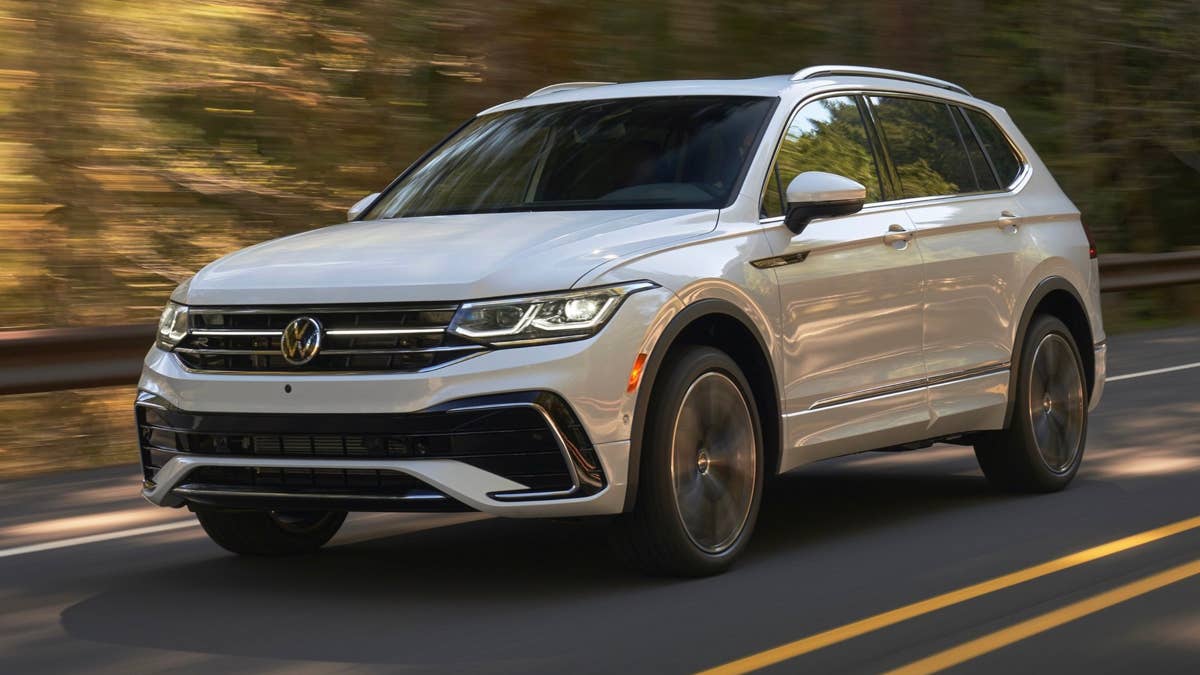
Volkswagen
Volkswagen's omnipresent EA888 4-cylinder power unit has a history plagued with litigation. Having recently settled a massive class-action lawsuit over failing turbochargers spanning model years 2008 through 2024, the trouble is far from over. The 2026 VW Tiguan still employs this motor, and current ongoing lawsuits target its piston rings, which are reportedly causing severe oil consumption issues, leaving owners with a fragile motor that could one day, quite simply, stop motoring.
4. Toyota - 3.4L Twin Turbo V6
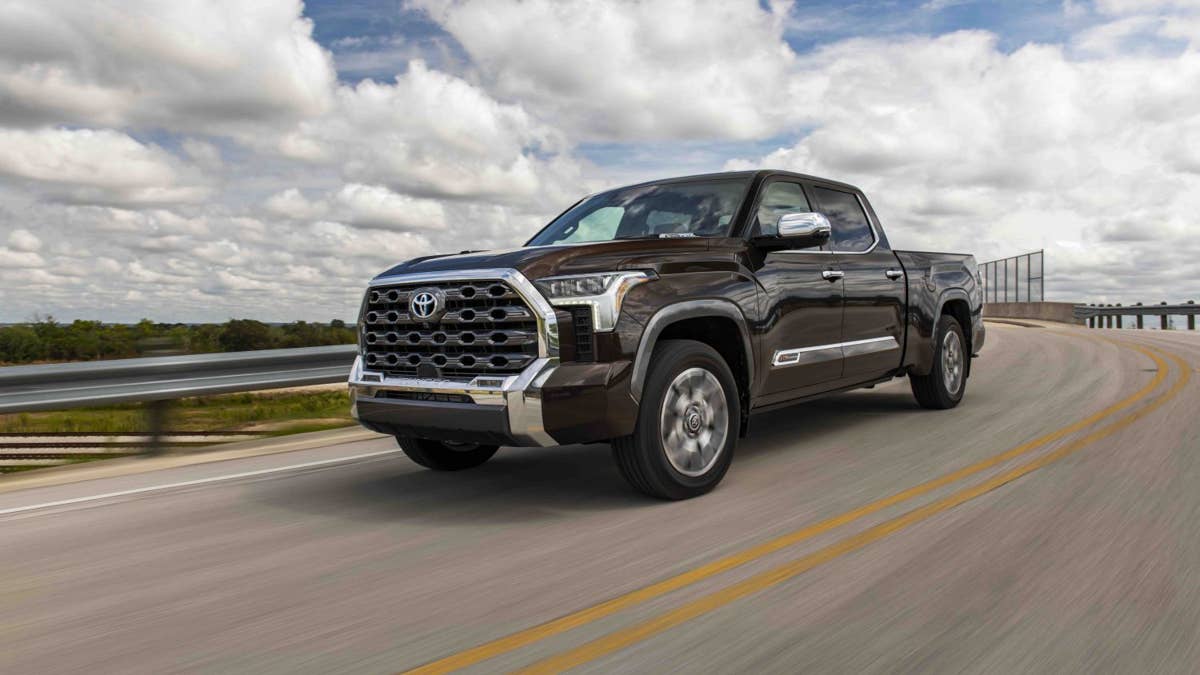
The Japanese stalwarts are not immune to the current onslaught of failing drivetrains. Toyota, arguably the brand with the most famous reputation for building reliable and robust vehicles, has brought a disaster onto itself. Toyota's new-ish twin-turbo V6, introduced in the Tundra, Sequoia, and Lexus GX/LX range, was meant to replace its legendary V8 motor. Instead, debris from the manufacturing process is reportedly causing catastrophic rod-bearing failure. Even after two massive recalls, 2025 owners continue to report identical failures.
5. Honda - 1.5L Turbo 4-Cylinder
Honda
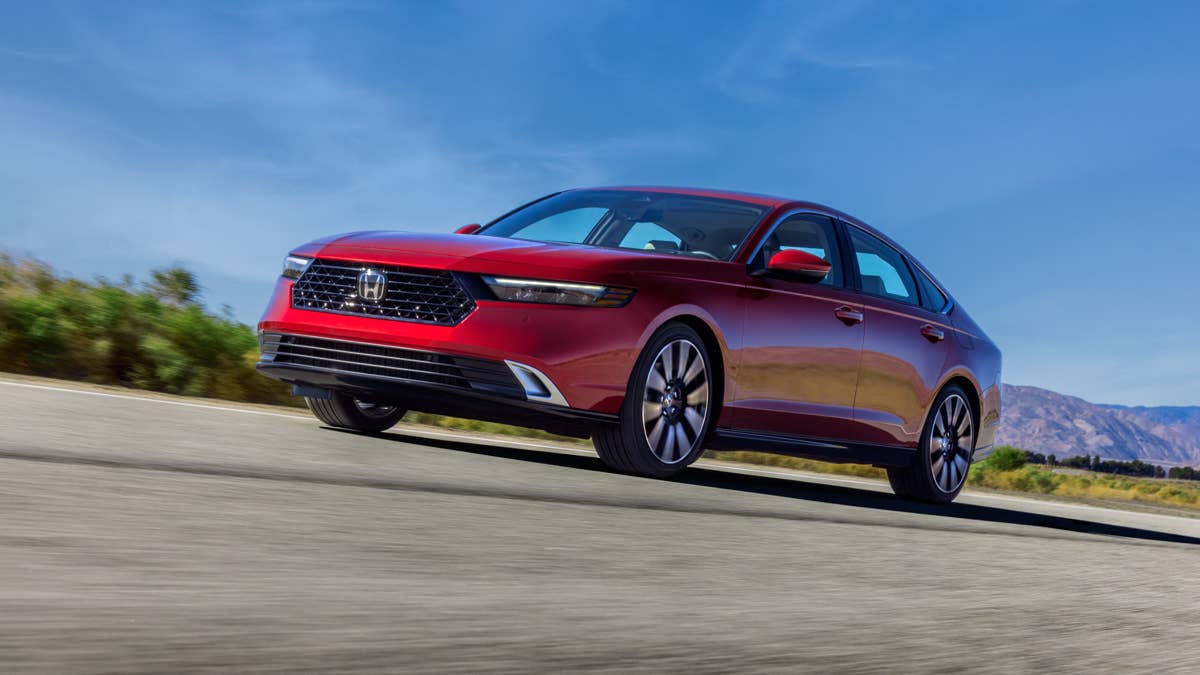
Honda, like Toyota, was built on a reputation of reliable, affordable, and easy-to-own vehicles. Currently, though, Honda is in crisis mode due to a bruising head gasket on its 1.5-liter turbo. According to reports, coolant leaking directly into the combustion chamber, sometimes on cars with less than 60,000 miles on the clock, is causing the motors to fail.
The cost to fix this? $5,000, which Honda does not cover with an extended warranty. Honda is currently in the process of phasing out this powerplant, but it is still on duty in the non-hybrid variants of the Honda Accord and CR-V.
6. Hyundai & Kia - 2.0L Theta/Nu 4-Cylinder
Hyundai
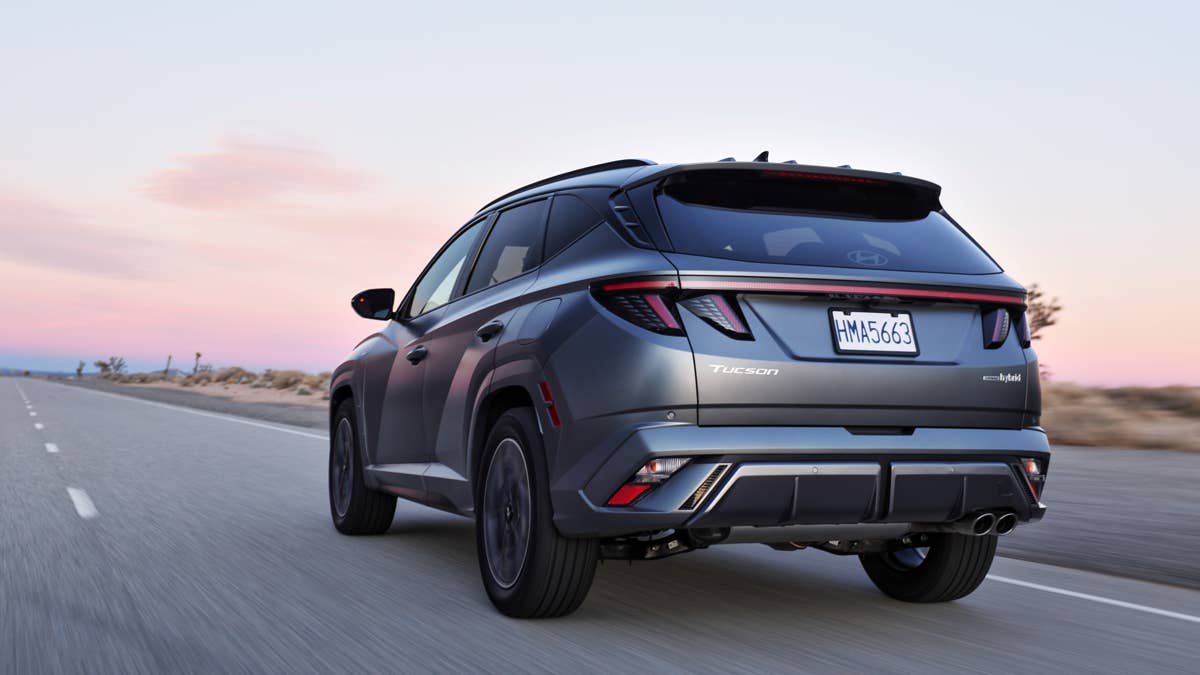
Hyundai Group has worked very hard to shed its reputation of building cheap, but also quality-compromised vehicles. However, the ghost of its Theta engine failures still haunts it. While both Hyundai and Kia models have largely moved to their new "Smart Stream" architecture, the infamous fire-prone Theta/Nu motor is still being used in the Kia Seltos, which continues to suffer rod-bearing failures and sudden engine seizures.
7. Jeep - 2.0L Turbo 4-Cylinder
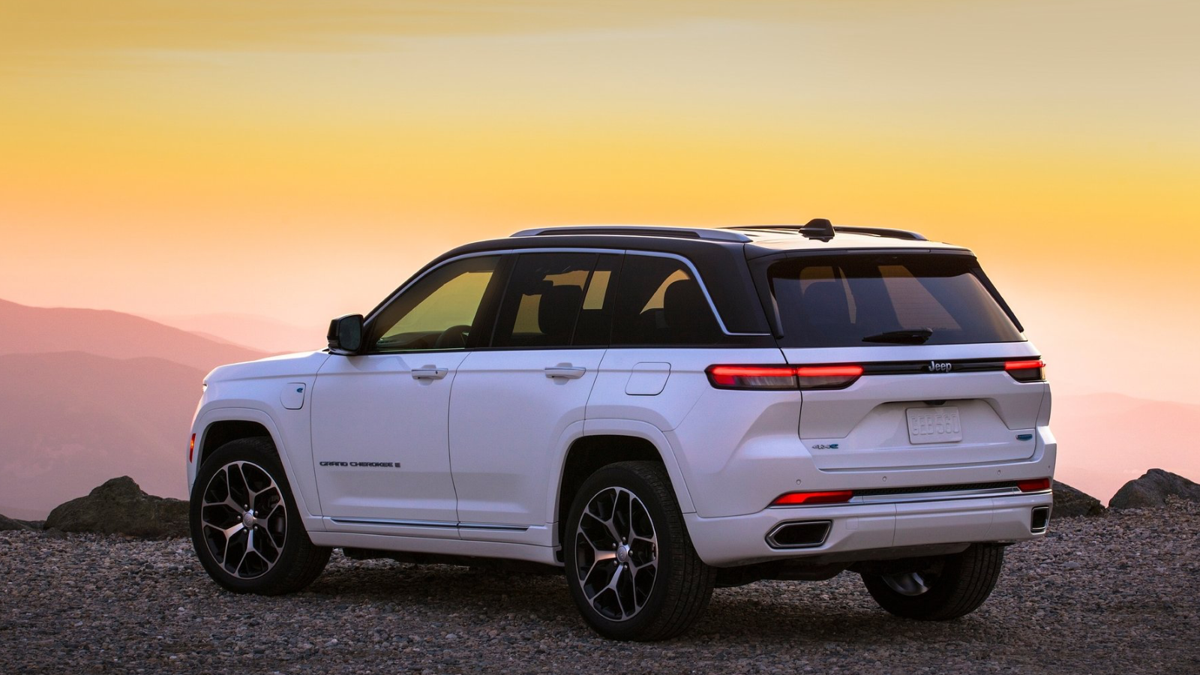
Stellantis' off-road brand is experiencing an immense struggle. Late last year, Jeep recalled roughly 100,000 Wranglers and Grand Cherokees due to manufacturing defects that could cause catastrophic engine failure or engine fires. Cracked cylinder liners, blown head gaskets, and turbocharger failures are routine complaints on models using these motors.
Buyer Bottom Line
Assuming that a brand with a long and illustrious history still continues to build the quality of vehicles they used to could land you with some big bills and lighter wallets. The era of bulletproof engineering seems to have walked away from us all. For as long as automakers continue to build over-stressed and downsized powertrains, buyers should be doing their research and making sure the cars on their shortlist come with stress-tested drivetrains without any active federal recalls or class-action lawsuits. The days of over-engineered vehicles with under-stressed motors have unfortunately been replaced by hastily thrown together, eco-friendly metallic paperweights.
Join the conversation
You can post now and register later. If you have an account, sign in now to post with your account.