_811205.png)
_e196d8.png)
_32b3d9.png)
_1c53fe.png)

GM's Getting Sued Because of a Clamp
Hose clamps seem like a silly way to incite a lawsuit, but it's actually happening with GM right now, among a few others. A Georgia plaintiff filed a case against the company over said hose clamps, stating that his vehicle, which he purchased brand new in 2024, threw a check engine light and made his wallet lighter by $489.36.
It's not just the plaintiff's Chevrolet truck that's affected, but a few others as well. The class action states that the faulty hose clamp(s) can lead to engine damage and premature wear and tear. The plaintiff claims that his vehicle lost its value because of the problem.
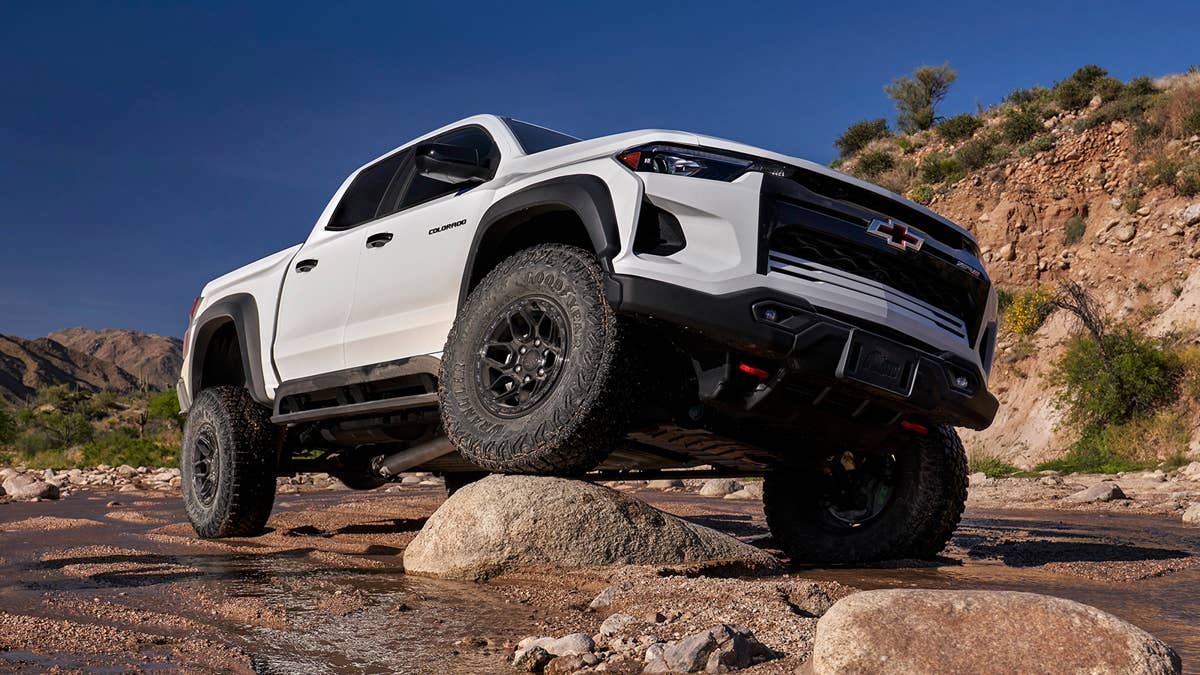
Chevrolet
The Affected Vehicles
Included in the class action are several of GM's vehicles. Because hose clamps are a commonly used part, it is expected that the lawsuit points to these other models. The plaintiff's vehicle is a 2024 Chevrolet Colorado, and that comes with the L3B 2.7-liter turbocharged four-cylinder engine.
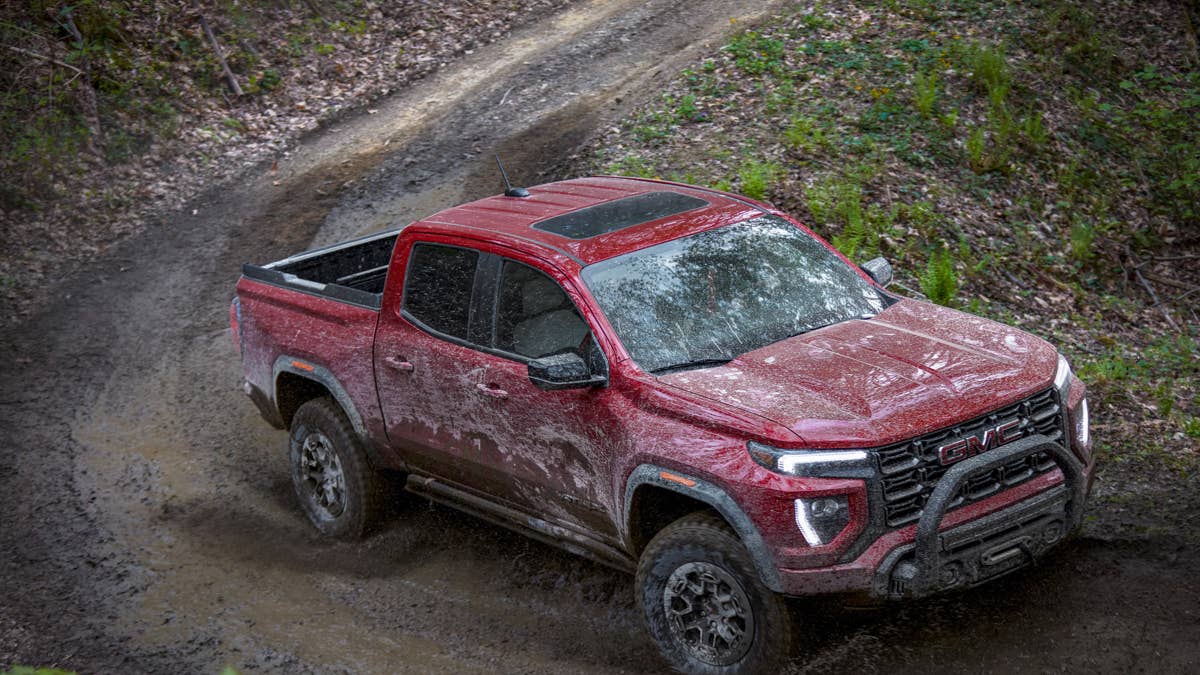
Year models 2023 to 2026 of the Chevrolet Colorado with that 2.7-liter turbo four-banger are affected in this lawsuit, so too is its platform-mate, the 2023 to 2026 GMC Canyon trucks. The Canyon also comes with the same 2.7-liter turbo engine.
Other unrelated models affected by this suit include the 2024 to 2026 Chevrolet Traverse, 2024 to 2026 GMC Acadia, and the 2025 to 2026 Buick Enclave. These vehicles are all equipped with the LKo 2.5-liter turbocharged four-cylinder engines.
The Plaintiff
As reported by Car Complaints, Jonathan Dixon purchased a 2024 Chevrolet Colorado in March 2024. He drove the car for about two years, racking up 44,400 miles on the odometer before the check engine light came on. Afterward, the plaintiff heard metal-on-metal grinding noises at low speeds. The problem led him back to the Chevrolet dealership.
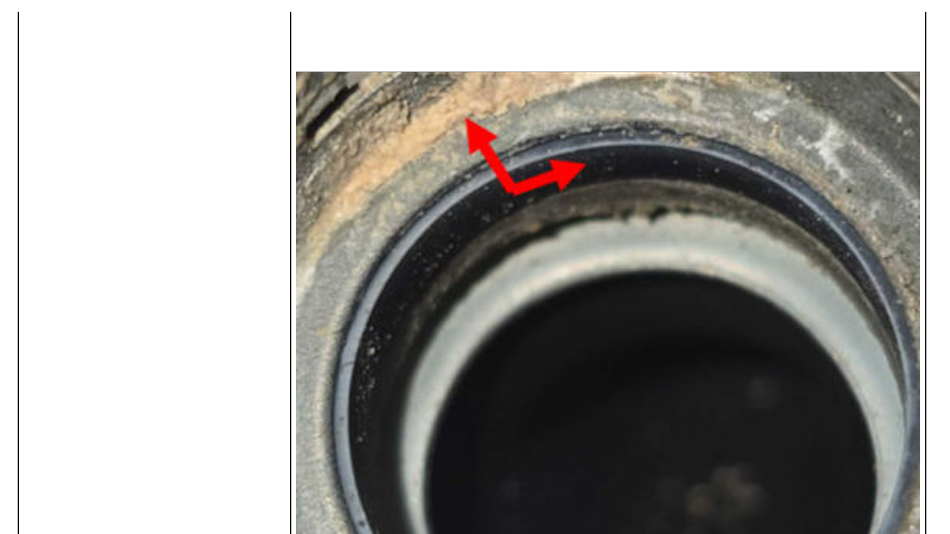
The service center ran a diagnostic, scanning for the code. After the inspection, code P3075 was identified, plus a low coolant warning. This was caused by a leak at the quick-connect hose clamp on the upper radiator hose. The plaintiff was able to get his car repaired, but had to pay $489.36 for the service.
GM has already noticed the problem and released a service bulletin in March 2026 for the same upper radiator hose quick connector on the Chevy Colorado and GMC Canyon trucks. Also, the company has issued a Special Coverage Program for the lower radiator hose quick connector seals for other models.
However, the lawsuit states that the bulletin only covers vehicles that are still under the three-year or 36,000-mile bumper-to-bumper warranty. On the plaintiff's side, his truck's warranty has already expired, and it has lost value because of this incident. Finally, the lawsuit claims that General Motors continued to market and sell the affected vehicles despite being aware of the defects.
Join the conversation
You can post now and register later. If you have an account, sign in now to post with your account.