_811205.png)
_e196d8.png)
_32b3d9.png)
_1c53fe.png)

The 3,000-Horsepower Arms Race Escalates
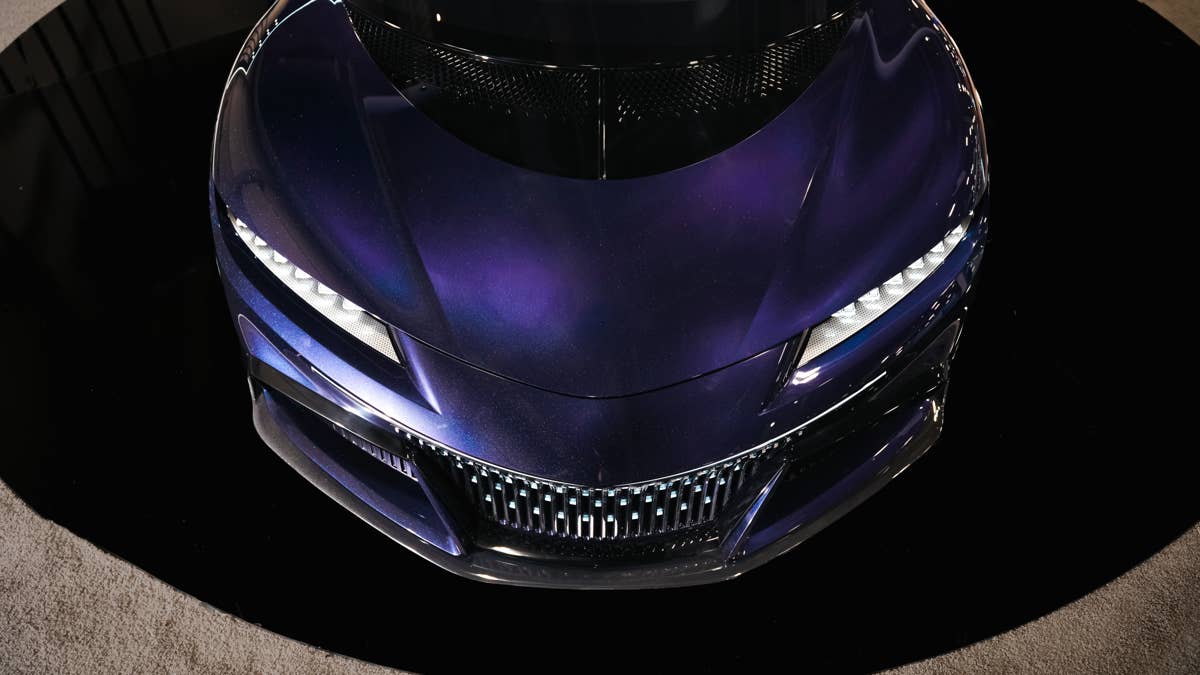
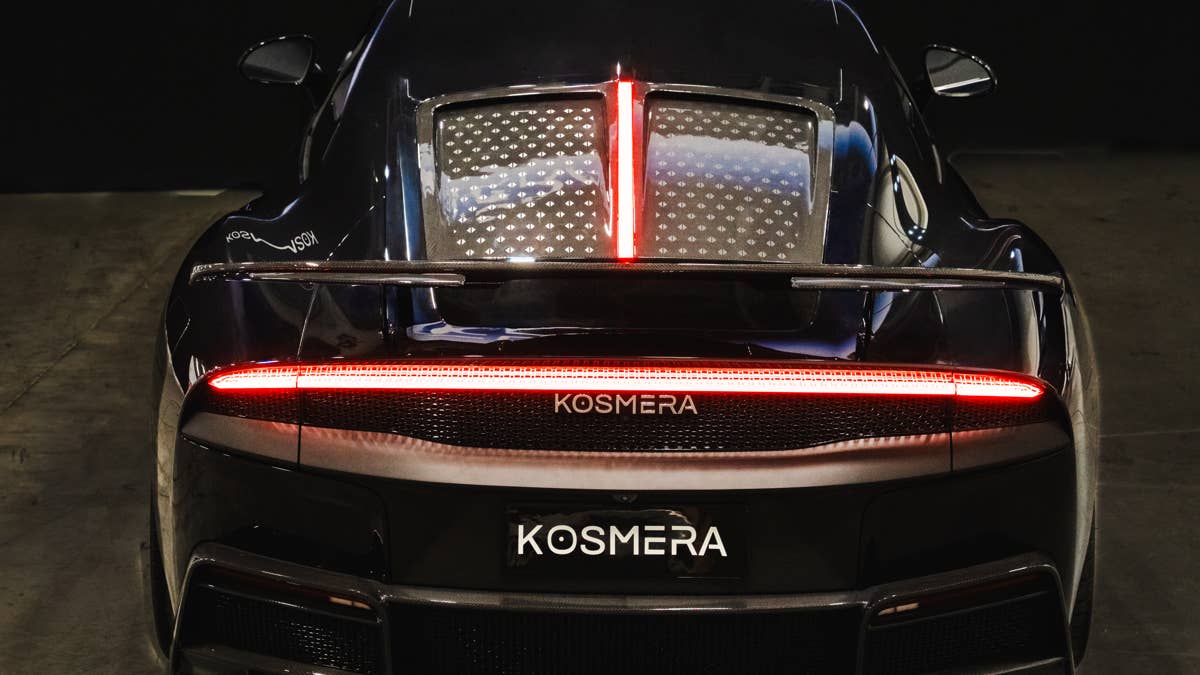
Kosmera is a new automotive brand spun off from the Chinese smart home and vacuum giant Dreame. The company detailed its latest engineering target. Their internal propulsion research unit, Axion Power, is currently developing a 1,200-volt electric architecture capable of producing a staggering 3,156 horsepower. This quad-motor distributed drive layout is destined for the upcoming Star Matrix and Star Razer high-performance GT models.
The system relies on an advanced axial flux motor design and silicon carbide inverters to prioritize thermal stability. Axion Power claims this setup delivers incredible power density while fitting into a remarkably compact package. Kosmera wants to prove that sustained and repeatable performance under extreme loads is the new standard. They are shifting the engineering focus away from brief bursts of acceleration and toward genuine track endurance.
Chasing The Hypercar Elite
You might wonder why a company with roots in consumer electronics wants to build the most powerful car on earth. Kosmera aims to instantly establish credibility by outgunning established hypercar heavyweights like Rimac and Koenigsegg that just set a world record fastest quarter-mile. They also have their sights set on domestic rival BYD. The BYD Yangwang U9 already pushes massive output figures, and Kosmera clearly wants the ultimate bragging rights.
The benefits of this extreme engineering extend beyond simple top speed records. By exploring ultra-high-voltage systems and compact axial flux motors, automakers can radically improve torque vectoring and overall vehicle control. A lighter and more power-dense motor allows engineers to optimize chassis dynamics. This technology, in theory, turns a heavy electric grand tourer into a precision track weapon with advanced thermal management.
The Lowdown: The Absurdity Of Electric Excess
We need to step back and examine the reality of the modern performance landscape. Electric cars are already terrifyingly fast and undeniably overweight. A standard electric family sedan can easily out-accelerate a decade-old Italian supercar while tipping the scales at over 5,000 pounds. Chasing 3,000 horsepower feels like a pure engineering flex rather than a pursuit of engaging driving dynamics.
Peak power has quickly become a cheap commodity in the electric era. Street tires can only grip so much asphalt before physics takes over. Human reaction times also remain strictly unchanged regardless of how fast the vehicle is. Kosmera is making genuine advancements in thermal management and motor packaging. However, adding thousands of horsepower to incredibly heavy cars represents a clear point of diminishing returns in the EV performance wars.
Join the conversation
You can post now and register later. If you have an account, sign in now to post with your account.