_811205.png)
_e196d8.png)
_32b3d9.png)
_1c53fe.png)

The American Problem
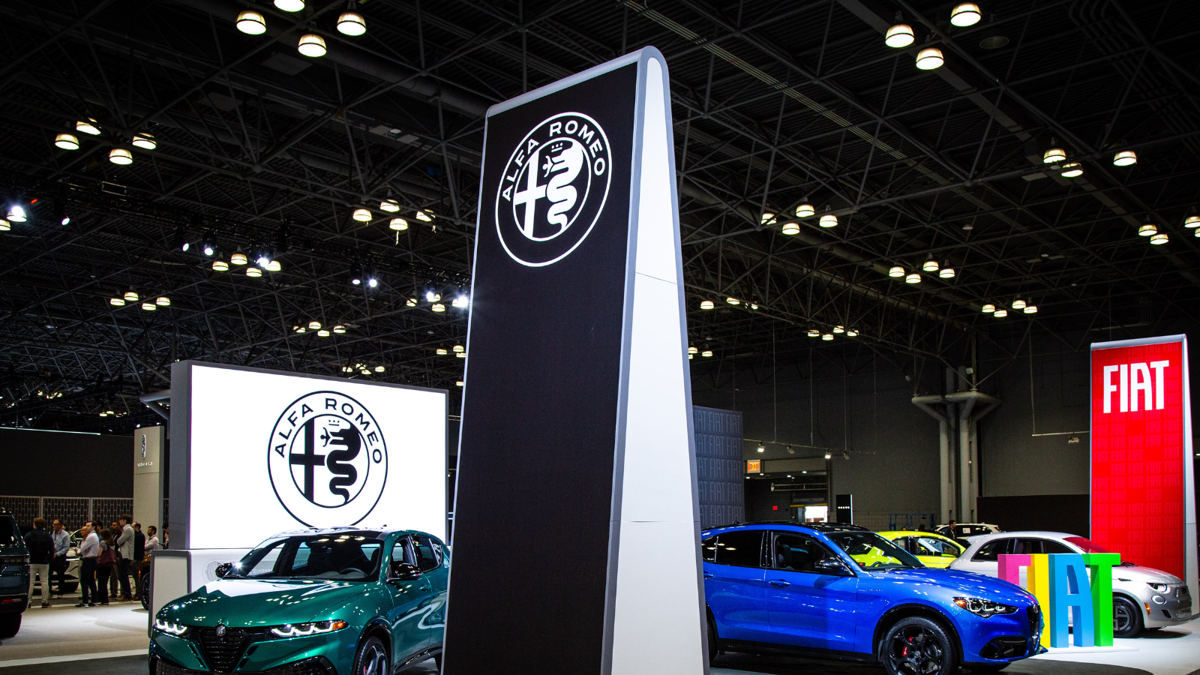
While Alfa Romeo is enjoying sales growth in several markets, the Italian marque looks lost in the U.S. It sold just 1,747 vehicles in the country during the first half of 2026, down 45% from the same period last year. With no major new models arriving soon, no obvious solution is in sight.
For one, the next-generation Giulia and Stelvio have been delayed. Both were originally planned as all-electric models, but Alfa Romeo had to revise its strategy to accommodate hybrid and combustion powertrains that better suit current demand. The Tonale, meanwhile, was supposed to become the brand’s volume seller, but it has struggled against rivals such as the BMW X1, Mercedes-Benz GLA, and Audi Q3.
The Grass Is Greener Elsewhere
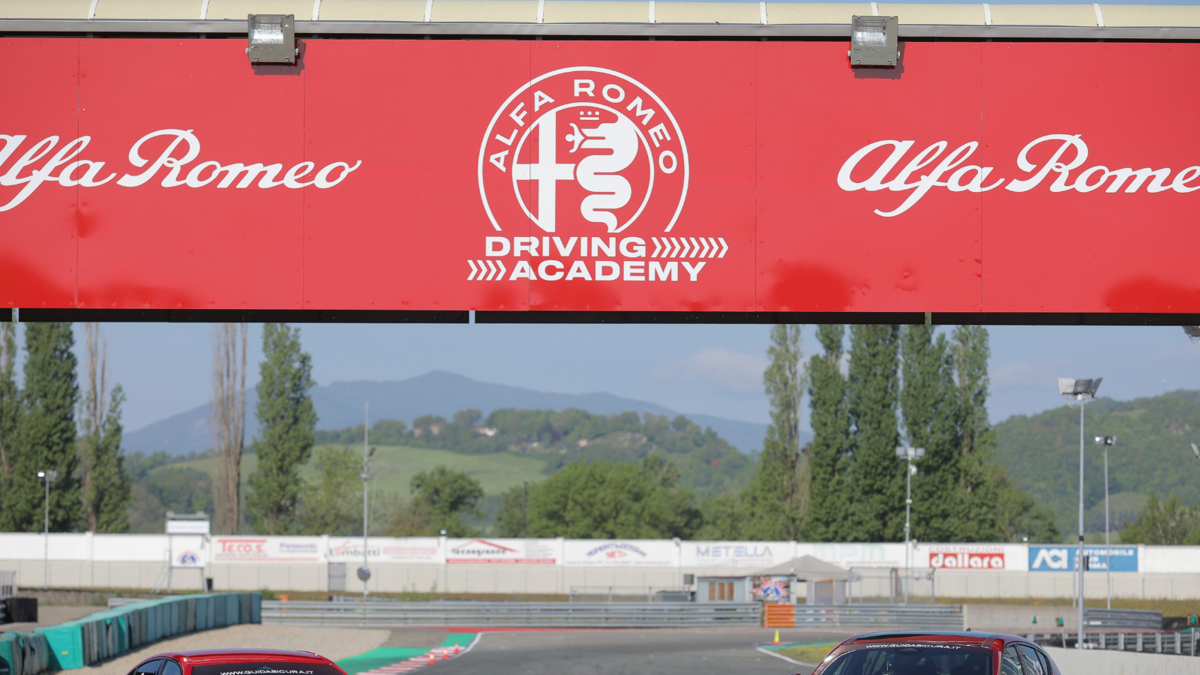
That stands in stark contrast to Alfa Romeo’s performance in other markets, including the UK, where sales increased by 24% in the first half of 2026. Over the same period, the automaker grew by 50% across Asia, supported by a 95% increase in Japanese registrations. Mexico, meanwhile, posted 90% growth following the debut of the Junior, a crossover smaller than the Tonale.
Given the U.S. market’s preference for larger vehicles, the Junior appears unlikely to make its way stateside in the near future. That is despite the model becoming Alfa Romeo’s global best-seller and now being offered in 45 countries.
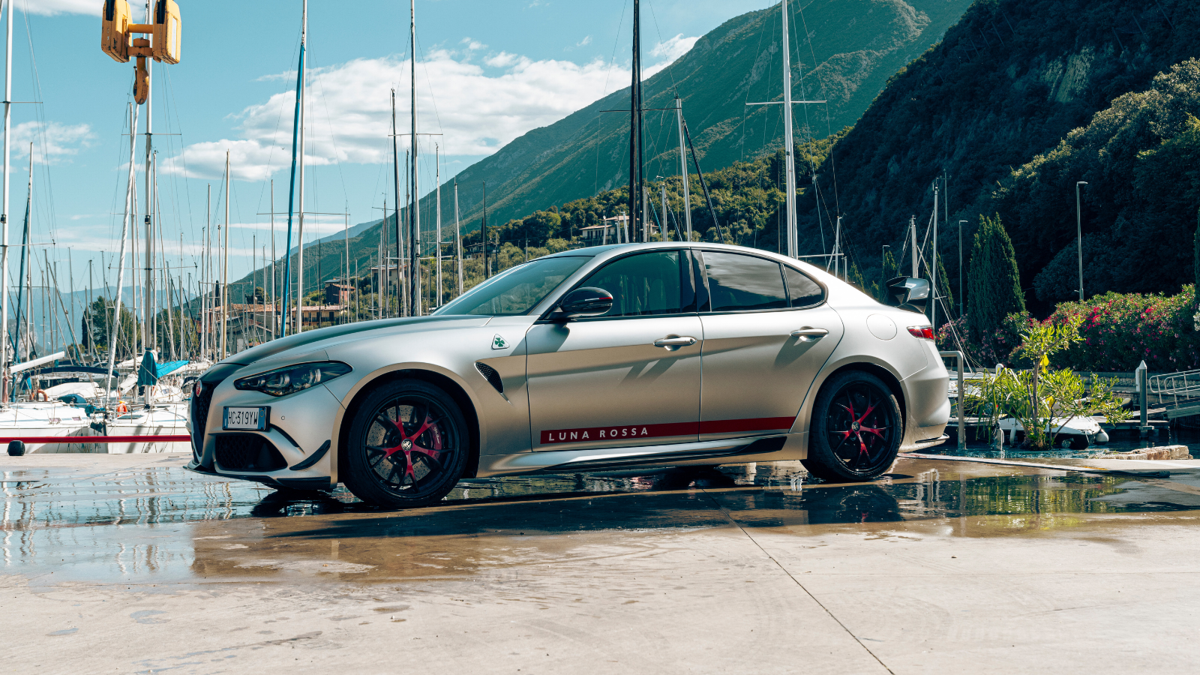
Alfa Romeo also highlighted the sellout of the Giulia Quadrifoglio Luna Rossa and the ongoing deliveries of the 33 Stradale. The former was developed with the Luna Rossa sailing team under Bottegafuoriserie, the customization initiative shared by Alfa Romeo and Maserati, and was limited to just 10 examples. The latter is a modern homage to the 1967 33 Stradale, with only 33 examples reportedly costing around £1.7 million ($2.2 million) each.
The Next Chapter Is Delayed
With little immediate relief in sight, Alfa Romeo may have to continue struggling in the U.S. through 2027, as the next-generation Giulia and Stelvio are reportedly not expected until 2028. The Tonale is also set to be replaced, possibly under a new name, by a model riding on the STLA Medium platform. That architecture can support combustion, hybrid, and electric powertrains.
Further complicating matters is Stellantis’ decision to direct 70% of its brand and product investments toward Ram, Jeep, Peugeot, Fiat, and its Pro One commercial-vehicle division. That leaves Alfa Romeo and the group’s other brands competing for a smaller share of resources. If its U.S. fortunes do not improve, Alfa Romeo will have to rely on its momentum elsewhere.
Join the conversation
You can post now and register later. If you have an account, sign in now to post with your account.