_811205.png)
_e196d8.png)
_32b3d9.png)
_1c53fe.png)

Historically, American car buyers have relied on rigorous crash testing data to choose the safest vehicles. However, heavy-duty trucks such as the Ford Super Duty and the Ram HD have historically eluded federal crash-test safety and fuel-economy standards. This was simply because existing regulations did not classify them as passenger vehicles. Due to this regulatory oversight, basic safety features such as driver airbags and seatbelt force limiters are not legally required for this segment of vehicles.
Chevrolet
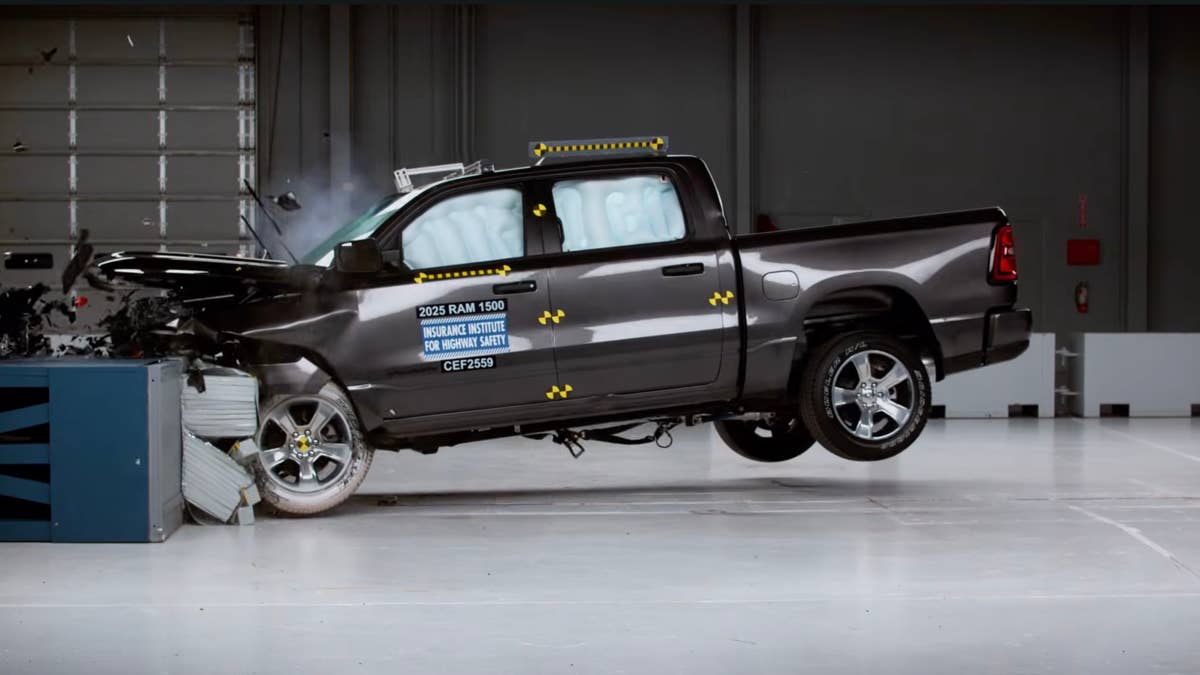
To address this safety gap, the Insurance Institute for Highway Safety (IIHS) has launched a new initiative to evaluate trucks in this segment as well as other large commercial cargo vans. This follows the notification of a troubling statistic, which recognized that crashes involving medium or heavy-duty trucks, or light vans, accounted for 6,535 American road fatalities in 2023, amounting to roughly 16 percent of all traffic deaths nationwide.
Preliminary Testing
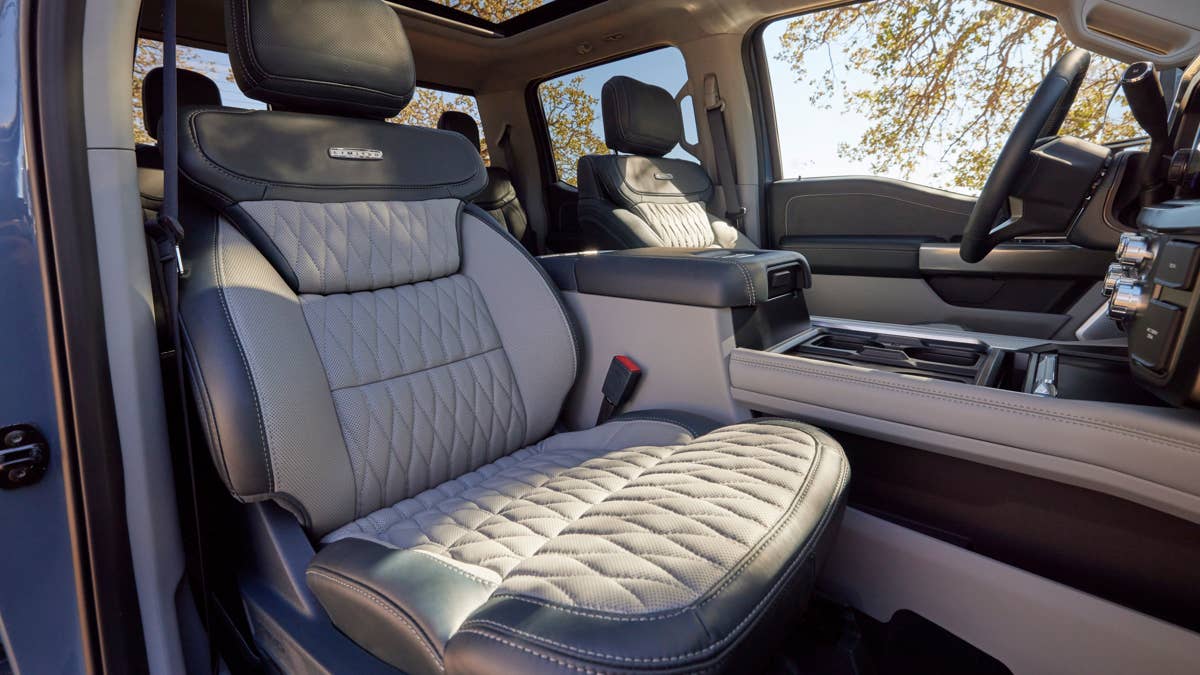
Rather than extensive crash testing, the initial phase of this program focused on confirming the availability of standard safety equipment such as airbags and seatbelt force limiters. These initial tests paid specific attention to the effectiveness of seatbelt reminders. While federal rules only require seatbelt reminders to chime for four to eight seconds, the IIHS set the standard to be a loud and audible tone, accompanied by a visible warning light, lasting at least 90 seconds. This standard makes sense when considering delivery and trade workers and how often they hop in and out of their vehicles. IIHS data shows that persistent reminders increase overall seatbelt usage by 30 percent.
Ford
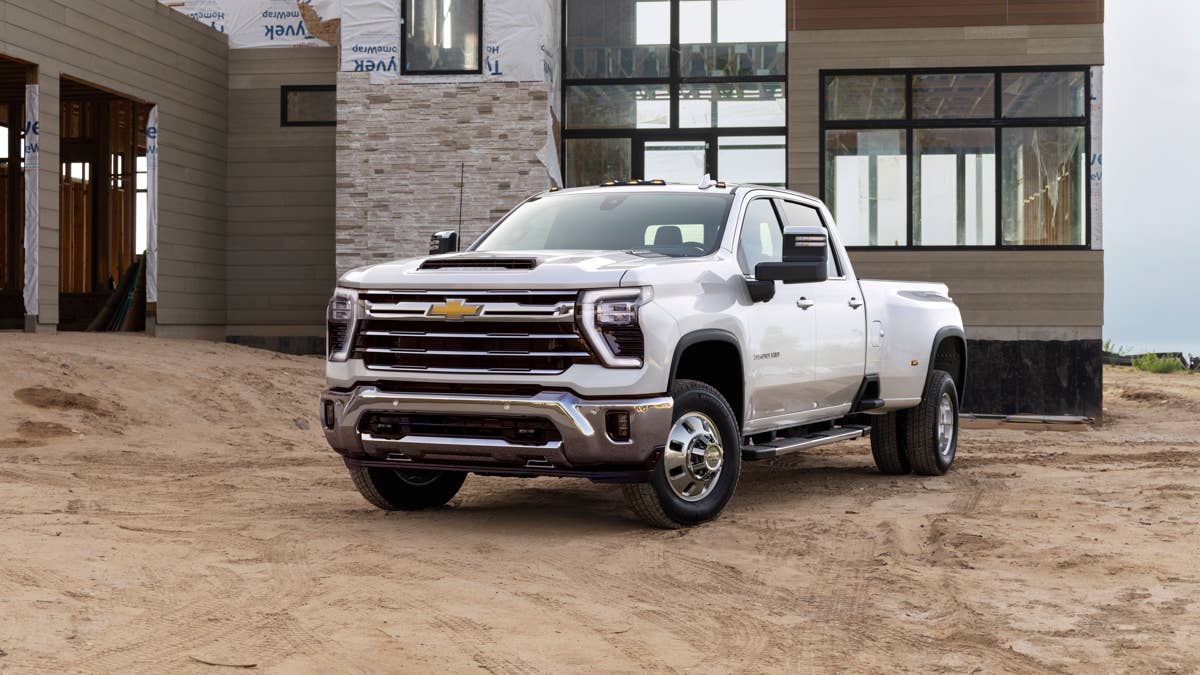
The initial selection of vehicles included three Class 3 pickups and six cargo vans from manufacturers such as Ford, Stellantis, Rivian, General Motors, and Mercedes-Benz. From this selection of vehicles, only four of the nine met all five of the driver protection criteria. The 2026 Chevrolet Silverado 3500HD, the 2025 Ford F-350 SuperCrew, the Chevrolet BrightDrop 400, and the Ram ProMaster 2500 all successfully passed the evaluation. The remaining five vehicles, however, failed the strict 90-second seatbelt reminder test.
Mercedes
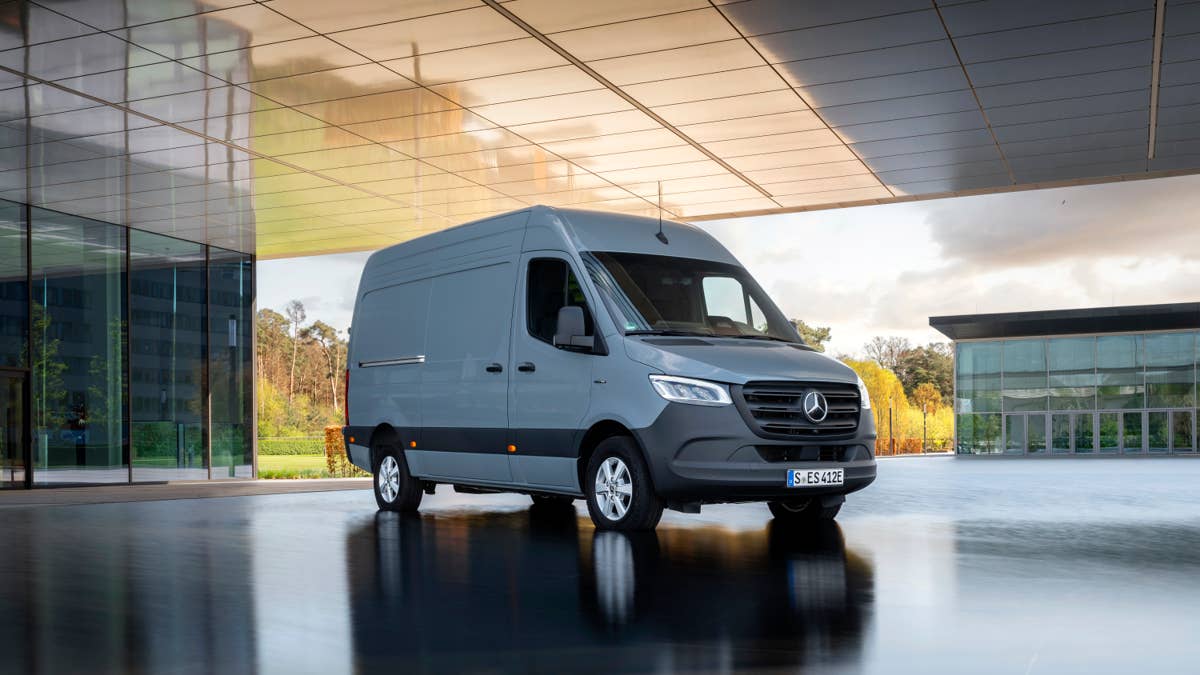
The vehicles that did not pass included the Ford T250 Transit, Mercedes-Benz Sprinter 2500, Rivian Delivery 500, and Ram 3500, all of which lacked persistent seatbelt alerts. Most notably, the aging Chevrolet Express 2500 fell significantly short by failing both the seatbelt reminder check and lacking effective seatbelt force limiters to prevent chest injury.
Only The Beginning
While this test is far from thorough, this is only the start of a much larger safety push. The IIHS plans to expand its program to evaluate headlights, automatic emergency braking, and even include larger Class 4 through 6 commercial trucks in the near future. By gathering this data, fleet managers and American businesses will finally have the benchmarks needed to prioritize driver safety on the road.
IIHS/YouTube
Join the conversation
You can post now and register later. If you have an account, sign in now to post with your account.