_811205.png)
_e196d8.png)
_32b3d9.png)
_1c53fe.png)

The EV Weight Crisis
Electric vehicles have a massive weight problem. The race for longer driving ranges means manufacturers are packing cars with gargantuan battery packs. Combine that with the global obsession with massive crossovers and SUVs, and you get passenger vehicles that weigh significantly more than their gas-powered equivalents. This trend makes us wonder whether massive EVs make sense, given how many raw materials they require to produce and operate.
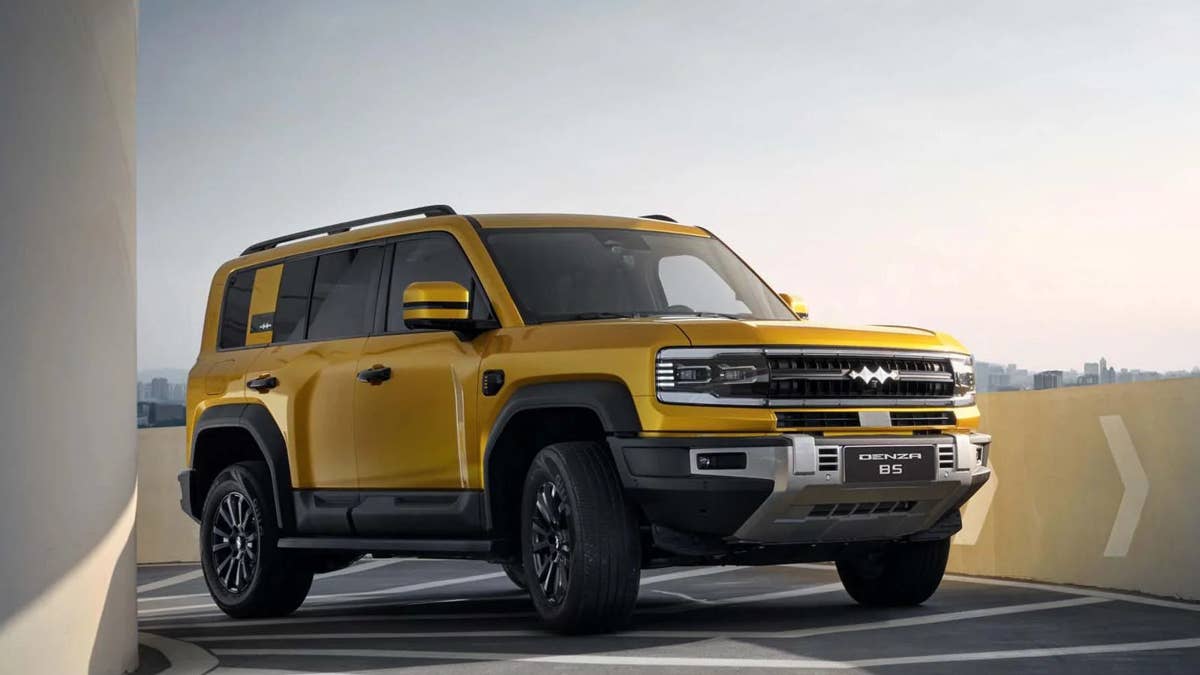
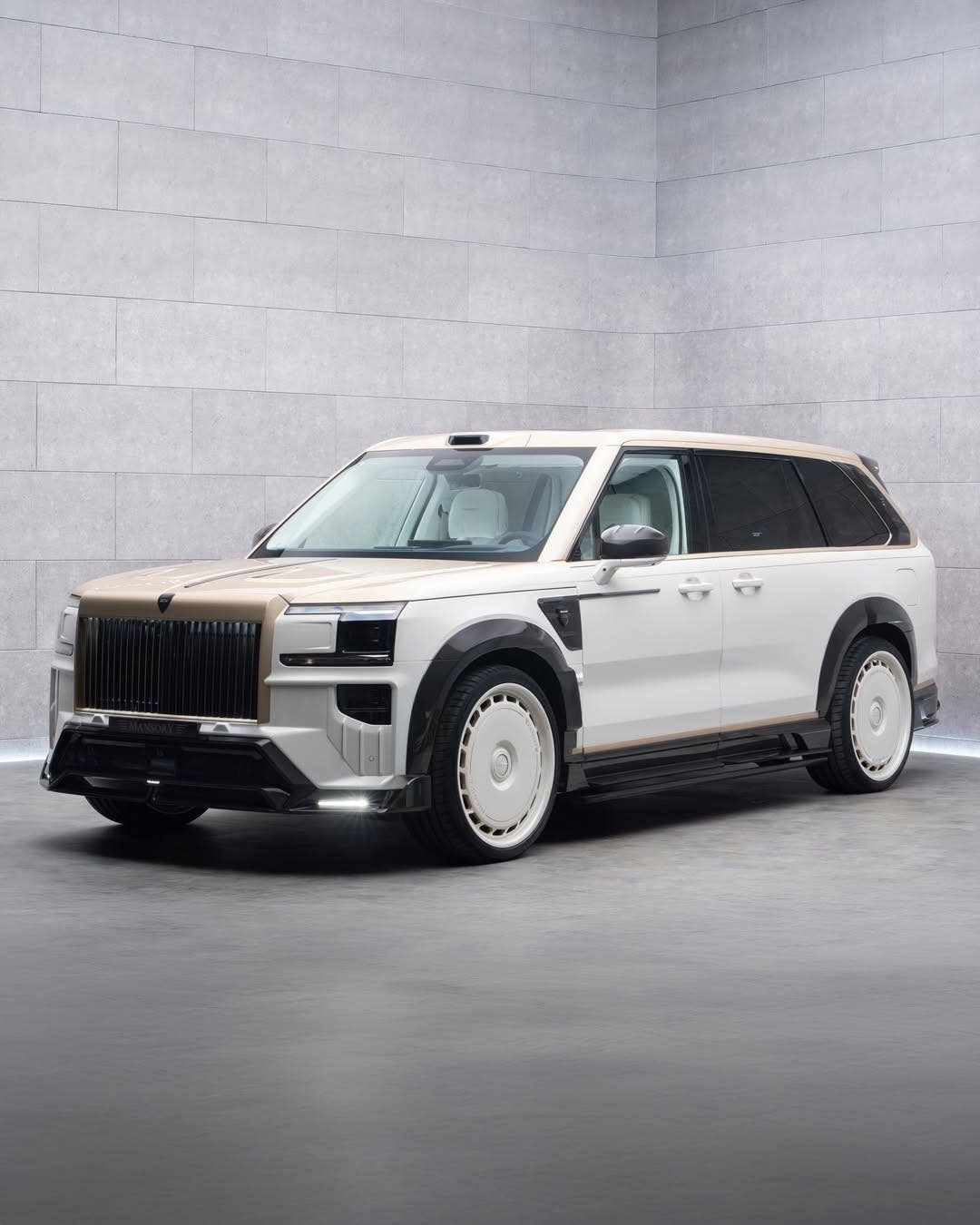
The weight explosion is now triggering a major government backlash in China. Automotive News reports indicate that the average weight of new Chinese EVs has surged to nearly 4,275 pounds since 2020. Some flagship electric SUVs are even tipping the scales at over 6,600 pounds. This heavy footprint is tearing up roads just as buyers face a new domestic sales tax. It mimics situations where Western lawmakers want a yearly fee from EV owners to cover infrastructure costs.
BYD
Paying for the Pavement
This fiscal problem is not unique to Asia. Governments globally are realizing that heavy electric vehicles cause substantial wear on public tarmac without contributing to traditional highway funding systems. In America, the infrastructure funding gap is widening rapidly as sales of traditional combustion vehicles begin to drop. Because of this structural deficit, certain domestic states have proposed that EV owners could soon pay $250 a year to utilize public roads.
In China, fiscal urgency is mounting as traditional car sales plummet while fuel prices remain highly volatile. Historically, sudden spikes in gas prices have flipped the EV market and pushed buyers toward electric options. With Chinese combustion vehicle sales dropping by 31 percent, Beijing is rapidly losing its primary road maintenance revenue from fuel taxes. State media and trade groups are now heavily advocating for a digital, mileage-based tax system that tracks vehicle weight to ensure EV drivers pay their fair share.

Geely
The Free Ride is Over
The golden era of free passes for electric vehicles is officially coming to an end. For years, governments used tax exemptions and regulatory subsidies to kickstart the electric transition. Now that plug-in vehicles command a massive share of the global automotive market, the fiscal reality is setting in. Policymakers simply cannot afford to lose the reliable revenue streams historically generated by traditional fuel taxes and standard vehicle registration fees.
We are entering an era in which passenger cars are becoming too fast, too heavy, and too big for our current infrastructure. While I cannot speak directly for the internal politics of another country's regulatory choices, the core issue is universally relatable. Roads cost money to build and maintain, and heavier vehicles destroy them faster. Whether you drive an internal combustion vehicle or a heavy battery-electric cruiser, the days of dodging your asphalt contributions are numbered.
Mansory
Join the conversation
You can post now and register later. If you have an account, sign in now to post with your account.