_811205.png)
_e196d8.png)
_32b3d9.png)
_1c53fe.png)

A Quiet Powertrain Gets A Loud Personality
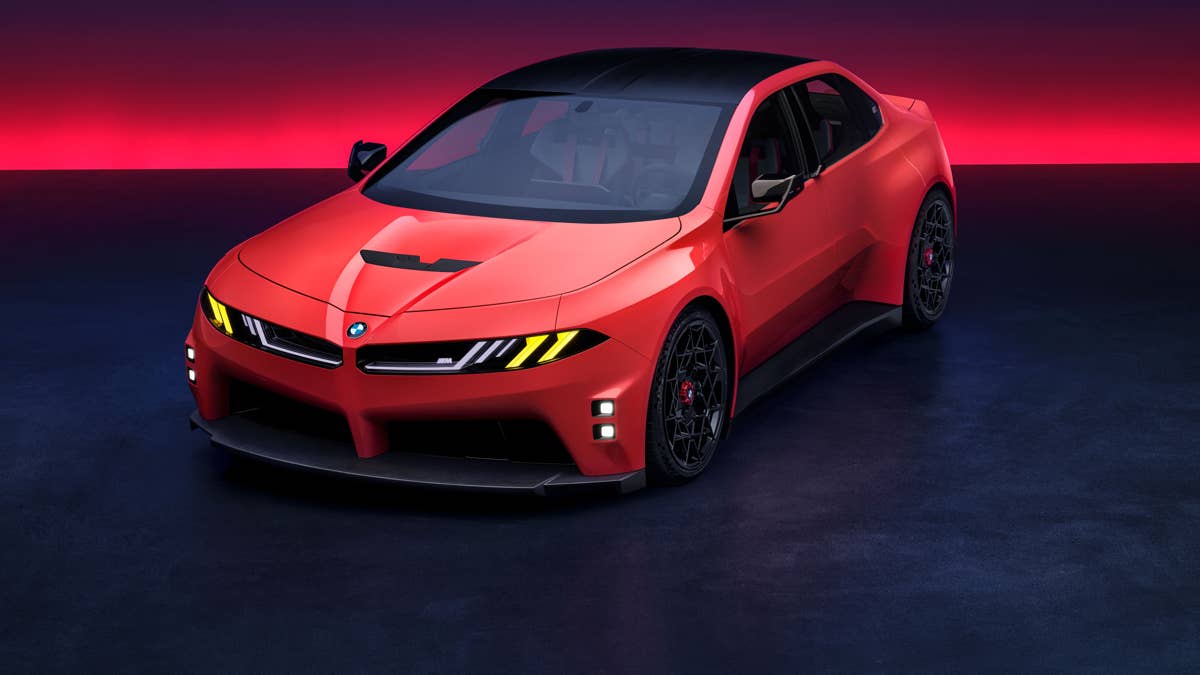
BMW's upcoming electric M3 is shaping up to be a genuinely wild machine. Four motors, all-wheel drive, a battery pack north of 100 kWh, and power figures that reportedly swing anywhere from 700 horsepower to a frankly absurd 1,300. But specs alone don't make an M car feel like an M car. So BMW did something that echoes what Ferrari did with the Luce EV.
BMW
The brand recorded its own inline-6, V8, and V10 engines, studied how their sound rises and falls under acceleration, then mapped that emotional arc onto amplified noises pulled from the electric M3's actual electric motors, like Ferrari chose to do. The Luce uses an accelerometer mounted in the rear axle to capture real vibrations from the motors and gears, then filters and amplifies them like an electric guitar pickup, turning vibration into sound. Ferrari says it amplifies frequencies that sound good and strips out the unpleasant ones. Going by the drive Charles Leclerc and Lewis Hamilton had in the Luce, they've succeeded. Neither company is faking an engine. Both are giving the EV's own voice room to breathe.
https://youtube.com/shorts/mryrYkscbgw?si=84FZ7cfKwp-dw9tI
EVs Have Been Faking It For Years
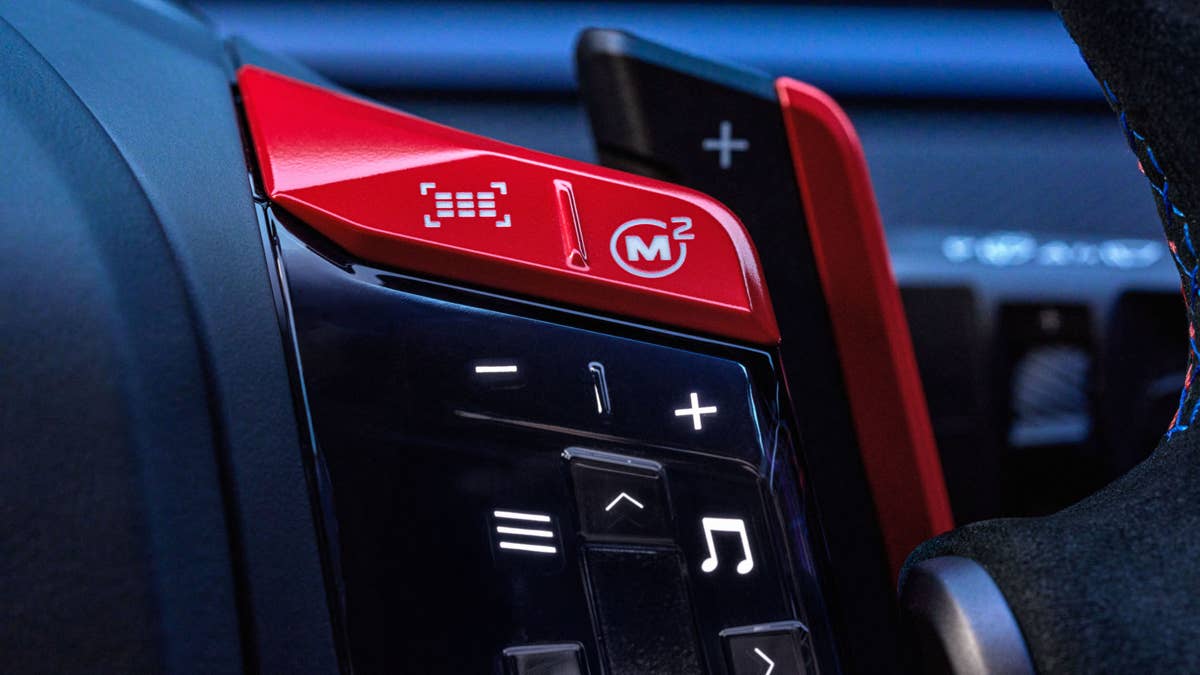
This isn't new territory, though most attempts have leaned synthetic. Jaguar's I-Pace had a futuristic hum piped through speakers years before this was cool. Hyundai went further with its N models, building in fake gearshifts and rev limiters that jolt and pause exactly like a dual-clutch gearbox under hard acceleration. Dodge took the opposite approach with Fratzonic, blasting exhaust-like sound both inside and outside its electric muscle cars. BMW's rev-limiter chirp in the electric M3, which engineers admit is included partly because it's "awesome," fits into that same lineage. Ferrari, notably, is positioning itself apart from all of it.
BMW
Will Drivers Actually Want This?
Reception to synthesized engine noises in EVs has been mixed industry-wide. Dodge's Fratzonic system, in particular, has drawn plenty of eye-rolls. Aftermarket companies already sell V8 soundtrack kits for EVs, proof that some owners crave the noise badly enough to bolt on speakers themselves.
BMW
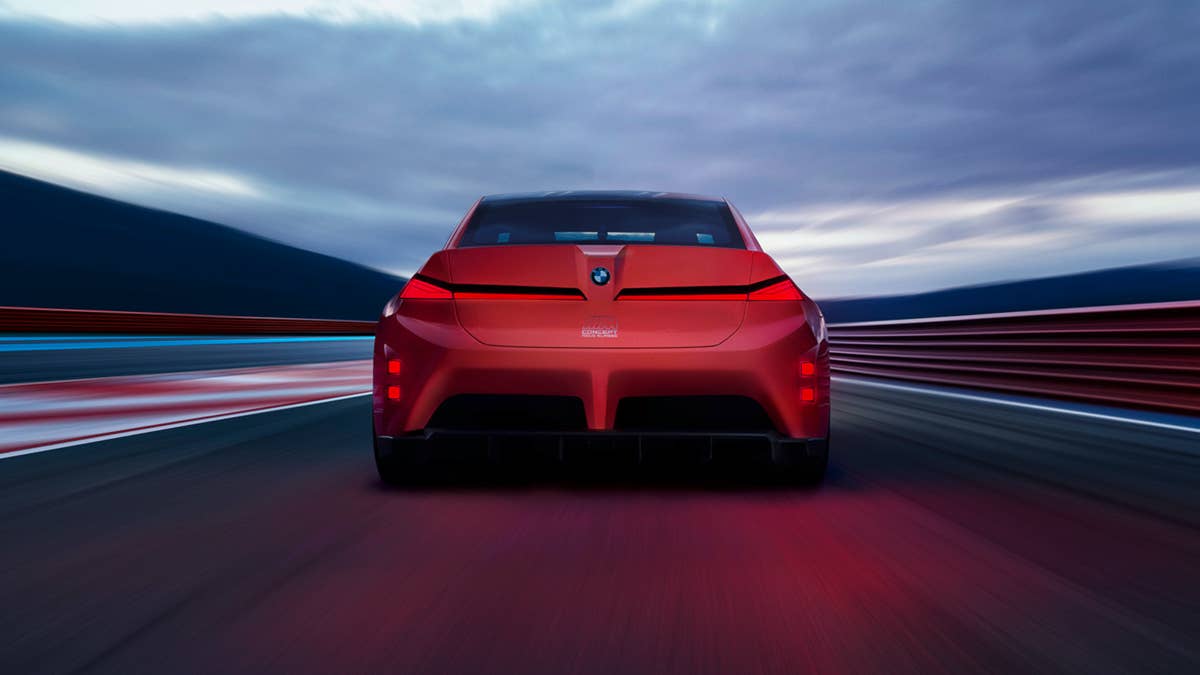
Ferrari reportedly spent around six years developing the Luce's sound, which suggests the brand sees this as core to the car's identity rather than a gimmick. BMW seems to be hedging more. The electric M3 will reportedly let drivers dial sound up, down, or off depending on drive mode. Crucially, BMW isn't abandoning combustion. A traditional ICE M3 will continue alongside the electric version, giving purists a choice if synthesized soundtracks just aren't their thing.
Join the conversation
You can post now and register later. If you have an account, sign in now to post with your account.