_811205.png)
_e196d8.png)
_32b3d9.png)
_1c53fe.png)

The Rise of China and the Pentagon's Warning
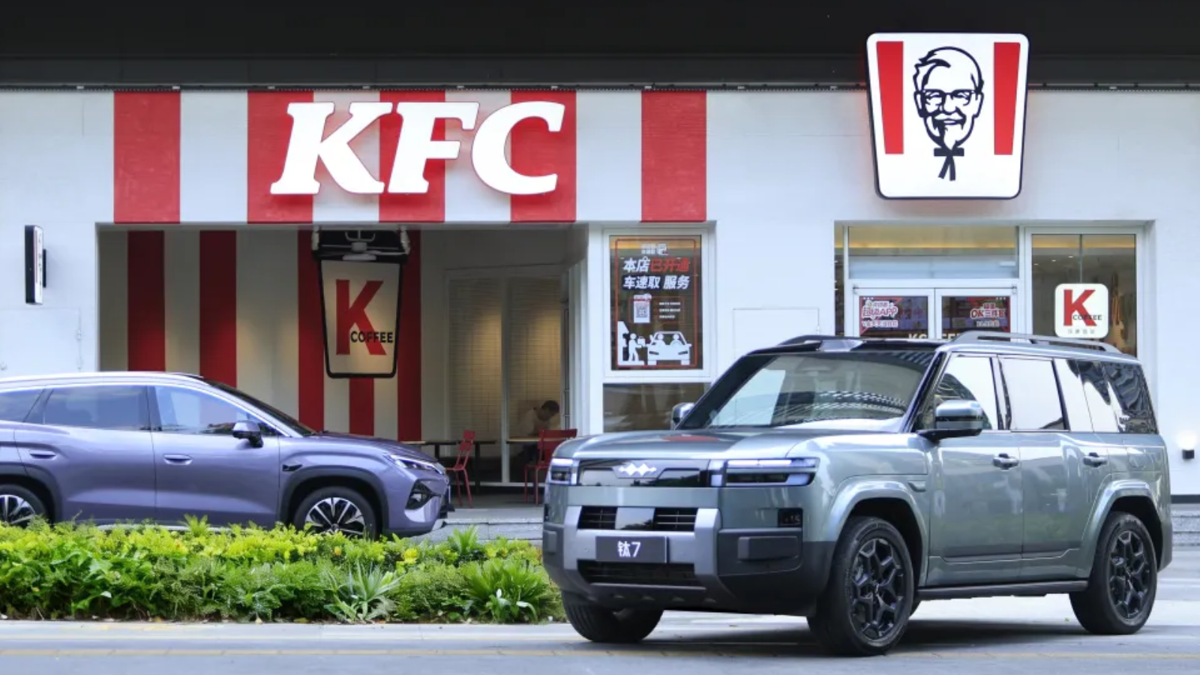
Chinese companies have been dominating the global automotive stage and putting legacy companies on blast. If current projections are to be believed, they are about to topple the top brand, Toyota, any time soon. However, a new report from Reuters has put one of its biggest brands, BYD, under a harsh light for allegedly aiding the Chinese military.
On Monday, the U.S. government added EV titan BYD to a controversial list of suspected Chinese military backers. This high-profile designation threatens to inflame already tense bilateral relations. The updated 2025 roster arrives awkwardly right after President Donald Trump and Chinese President Xi Jinping agreed to a fragile trade truce in Beijing. While the index largely mirrors a withdrawn February list, targeting an automaker like BYD marks a massive geopolitical escalation for the global car industry.
Software Crackdowns and the Expanding Blacklist
Federal regulatory groups are actively cracking down on connected vehicles in America. Authorities are aggressively purging Chinese software codes from modern cars to prevent potential tracking and data theft. Legacy American automakers are joining this national security push.
General Motors has taken drastic measures by completely banning Chinese-made parts from its supply chain starting next year. This creates a massive hurdle for foreign manufacturers. BYD is refusing to back down from these mounting pressures. The Chinese automaker took direct legal action earlier this year. BYD sued the federal government over sweeping tariffs that it deemed unfair and designed to cripple its market expansion.
The Pentagon's updated blacklist includes various tech sectors, but the spotlight remains firmly on BYD. The Chinese embassy fiercely condemned the registry and demanded an end to discriminatory practices. Blacklisted companies like BYD can petition for removal. The Defense Department notes this is possible if a company ceases U.S. operations entirely. Lawmakers are instead using this updated roster to sound a public alarm regarding BYD and its peers.
Representative John Moolenaar framed the list as a stark warning, cautioning American businesses that these blacklisted firms actively work against national security interests.
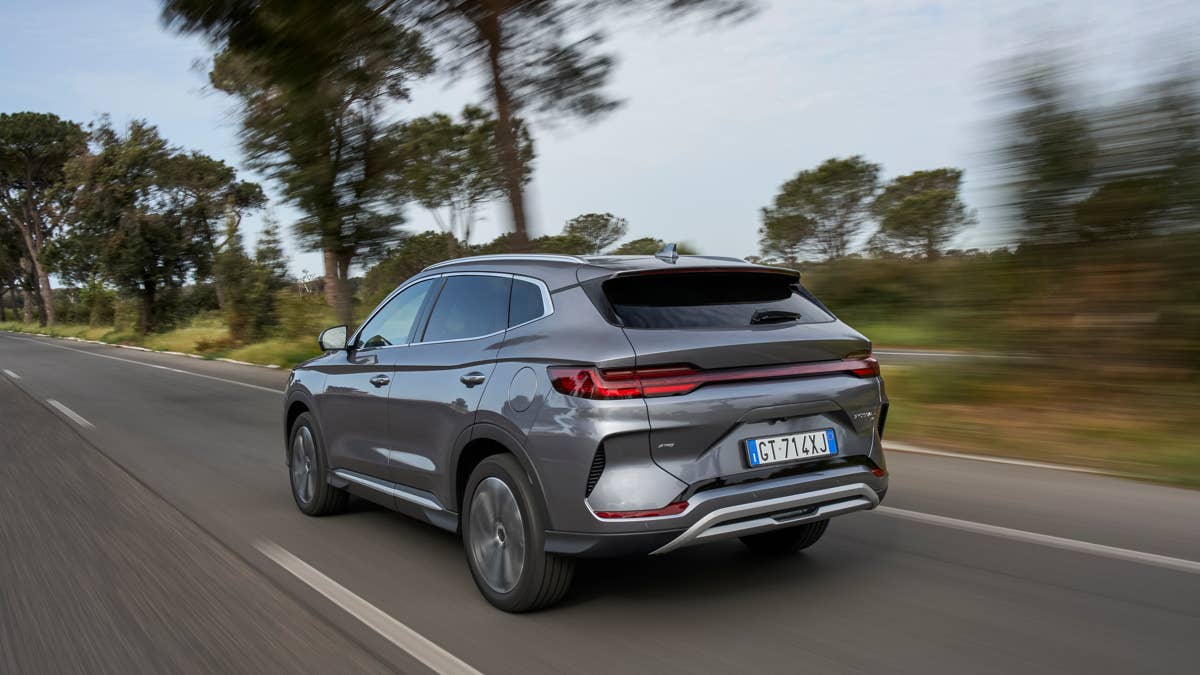
BYD
The Lowdown
Chinese influence has been very apparent in the automotive industry. We are seeing massive shifts across the board. The impact is so vast that German titan Mercedes-Benz could be pushed out of the U.S. over Chinese ownership ties. The cultural infiltration runs deep as well. Rumors suggest that even James Bond may now be driving a Chinese electric car in his next film, a BYD no less.
Is this the price of cheaper, more advanced, more fuel-efficient, and overall better cars? Consumers want affordable electric vehicles with cutting-edge technology. BYD and its peers are delivering exactly that. They offer a stellar range and premium features at unbeatable prices. But this innovation comes with a high geopolitical cost. Buying a high-tech car now means navigating complex national security debates. We want great vehicles. We also want secure data and fair trade. The automotive world is no longer just about horsepower and handling. It is now a primary battleground for global superpower dominance. Drivers are caught right in the middle.
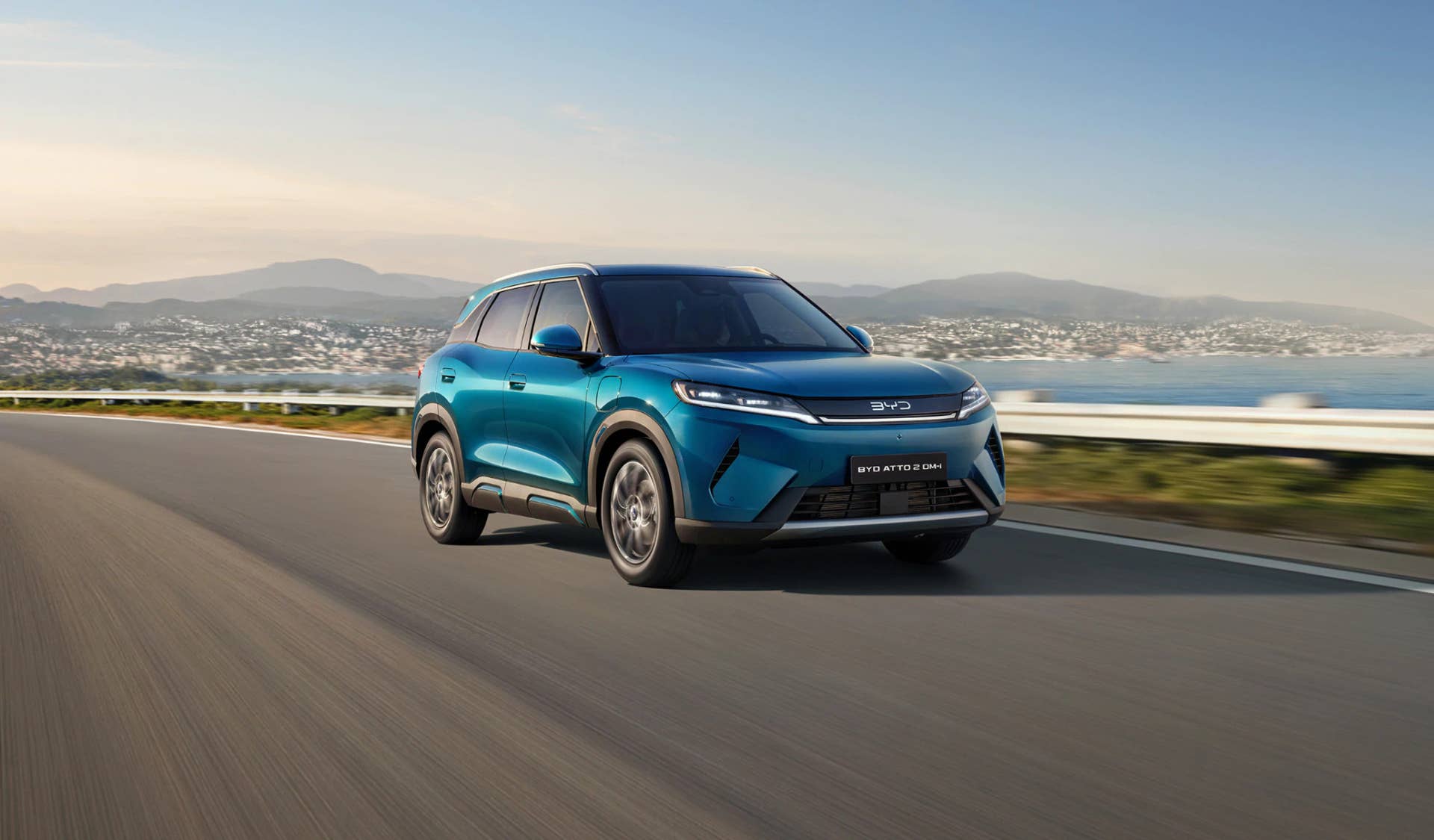
BYD
Join the conversation
You can post now and register later. If you have an account, sign in now to post with your account.