_811205.png)
_e196d8.png)
_32b3d9.png)
_1c53fe.png)

BYD’s rapid expansion just hit a massive, self-created speed bump. Down Under, the Chinese automaker has been caught delivering over 1,200 vehicles built in 2025 to customers who explicitly signed for, and paid for, brand-new 2026 models. The blunder affects exactly 1,265 buyers across Australia. BYD customers who took delivery of popular models—including the Atto 3 crossover, Sealion SUV, and the Shark pickup truck—checked their documentation only to find their "new" cars were effectively a year old before they even left the dealer lot.
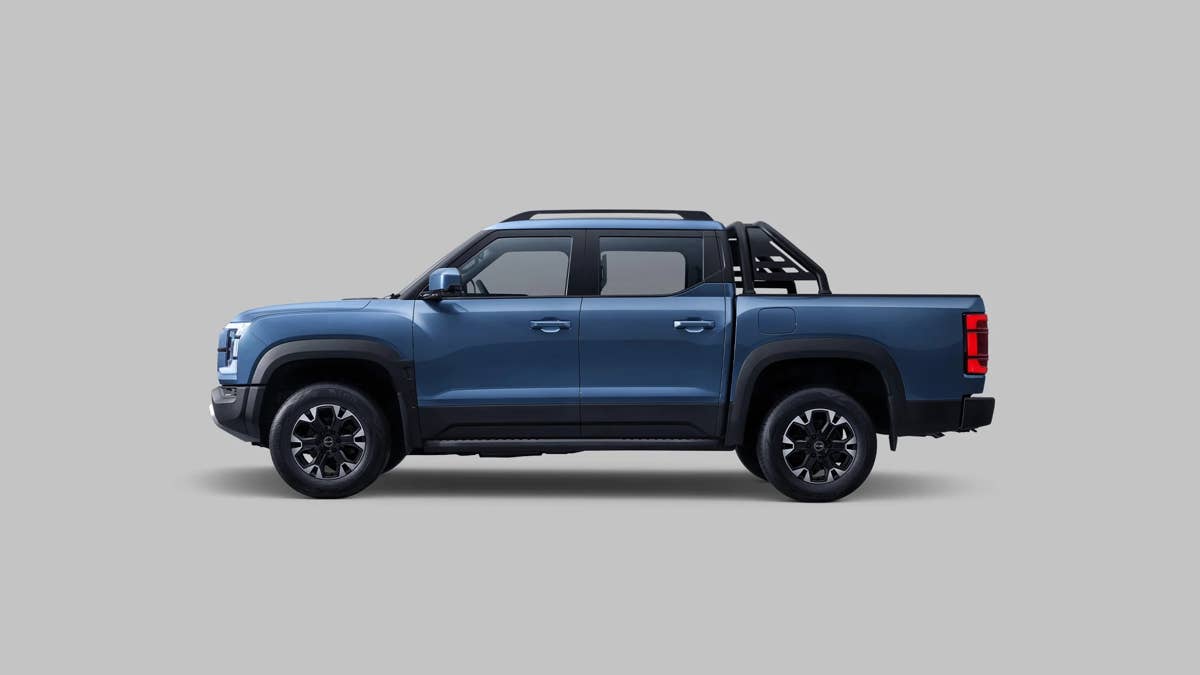
BYD
BYD's Scapegoat
BYD Australia is blaming an internal administrative mistake. The automaker claims its system improperly recorded the date the vehicles were shipped from the factory, rather than the date they actually rolled off the assembly line. Mechanically, there is no difference between the 2025 and 2026 builds; they carry the same warranties, meet the same local regulations, and pack the exact same hardware.
Why It Matters
In the automotive market, a car's build year is its financial heartbeat. This is especially true for electric vehicles, which already face notoriously steep depreciation curves. Forcing a 2025 build year onto a buyer expecting a 2026 model immediately tanks the vehicle’s future trade-in or resale value. You cannot simply hand a customer a car with a shorter effective life on the depreciation slope and expect no fallout.
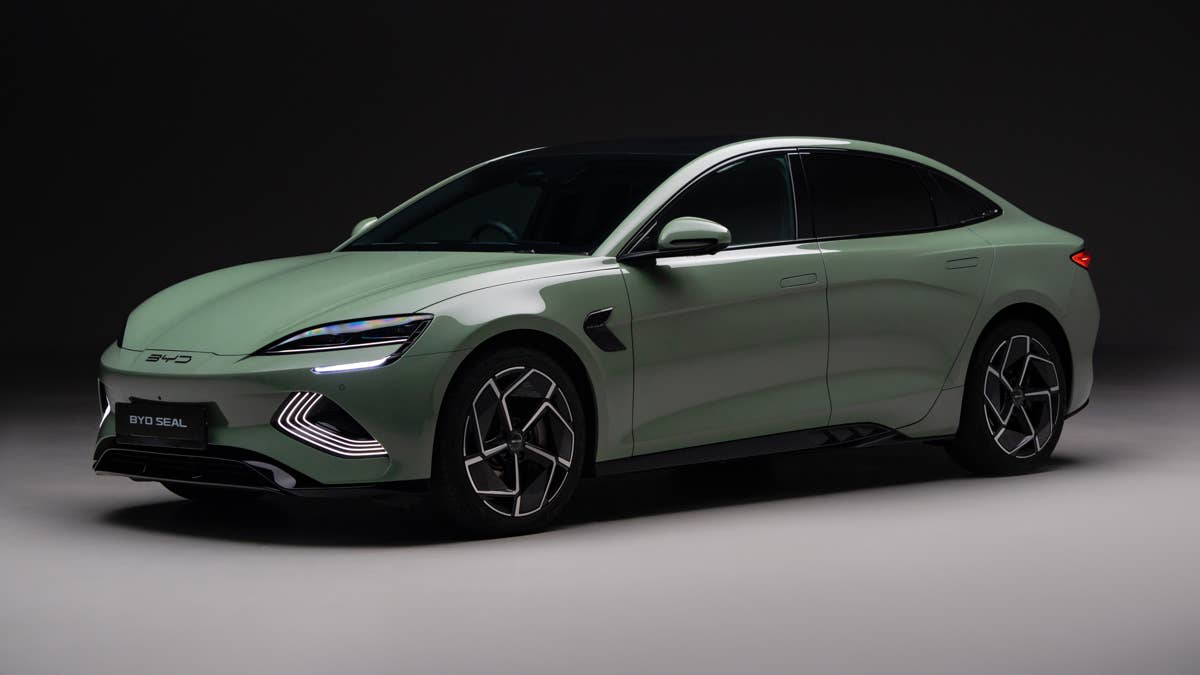
BYD initially tried to do exactly that. Management attempted to quietly make the problem disappear by offering affected owners a meager compensation of roughly $763. When owners and local media balked at the lowball offer, BYD was forced into a hard U-turn. The company is now offering a comprehensive remediation package. Affected buyers can demand a full refund of the original transaction price, swap their 2025 vehicle for a brand-new 2026-built replacement, or keep the older car and take the $763 cash payout. If a significant chunk of those 1,265 owners demand buybacks, this clerical error could easily cost BYD tens of millions of dollars at a time when it is fighting to meet demand.
Closing Thoughts
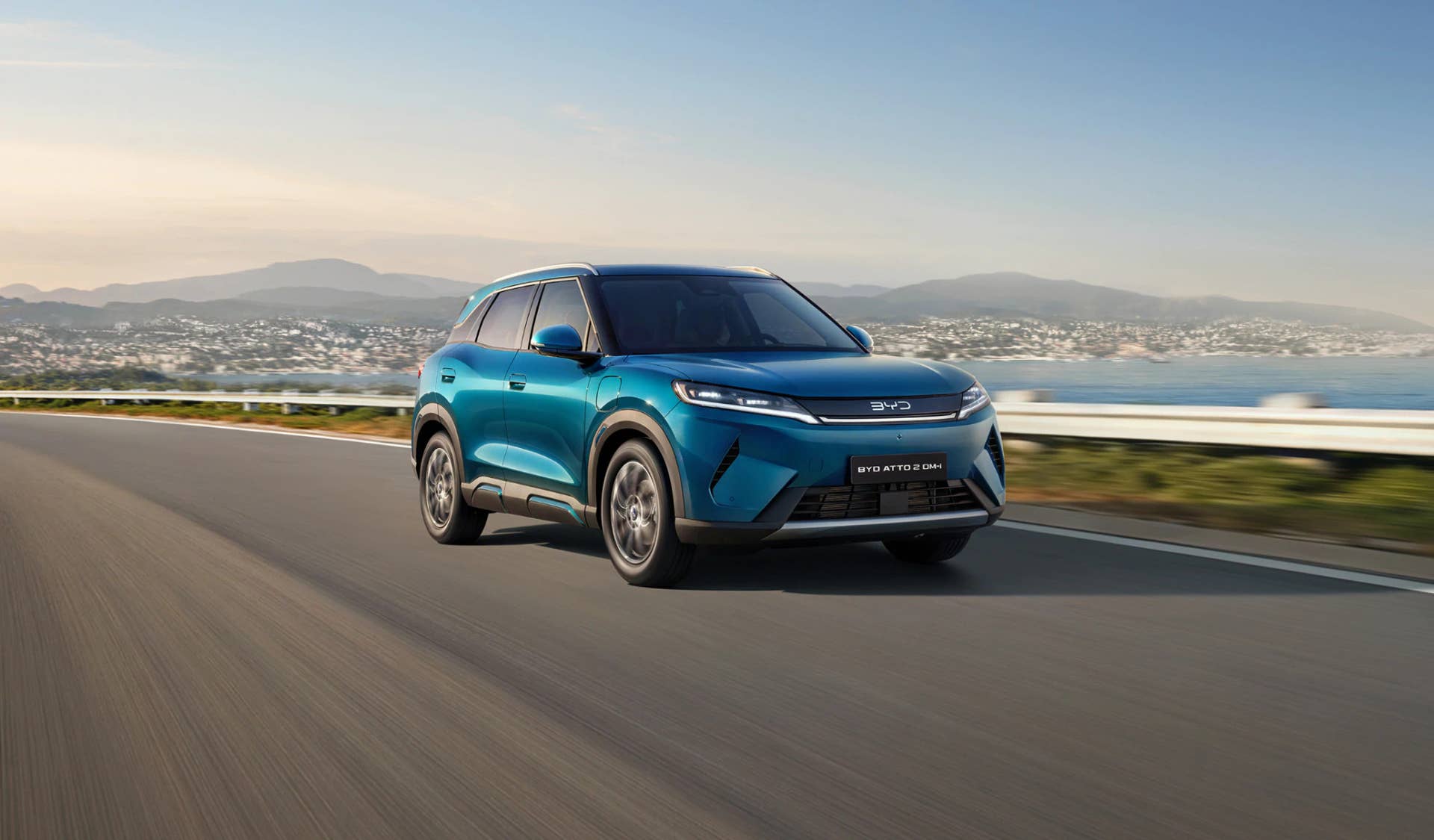
BYD
BYD insists there was zero deceit involved, chalking it up entirely to bad data entry. Having said that, for an automaker aggressively fighting for mainstream legitimacy, and recently beating out heritage brands like Ford, Hyundai, and Kia in Australian sales charts, this is a brutal unforced error. The cars might run perfectly, but in this business, a broken contract is just as bad as a broken powertrain. You cannot trust your car if you do not trust the people who built it.
Join the conversation
You can post now and register later. If you have an account, sign in now to post with your account.