_811205.png)
_e196d8.png)
_32b3d9.png)
_1c53fe.png)

Open for Business With China
Earlier this year, Canada rolled back its 100% tariff on Chinese EVs, opening more doors for China's auto industry in North America. From 100%, tariffs are now down to 6.1%, and at the time of writing, a quota limits imported models to just 49,000 units.
That said, that quota will be lifted to 70,000 units per year after five years, but knowing China, those are rookie numbers. Nonetheless, it's a start, and the U.S has both its neighbors allowing more Chinese-made vehicles onto their respective shores.

Chery
A Bigger Slice
Annual auto sales in Canada are much smaller than those in the U.S. Last year, nearly 1.9 million new cars found homes, a tiny fraction of the U.S.'s 16.3 million. Still, that's a sizable pool, and China, for sure, wants a bigger slice than the current quota.
Canada will allow Chinese automakers to go over the quota under one condition: Set up shop in the Great White North. By that, we mean building assembly plants, not just putting up a headquarters. Not only that, Canada plans to set up several conditions even before a Chinese automaker can plan to build a plant on its turf.
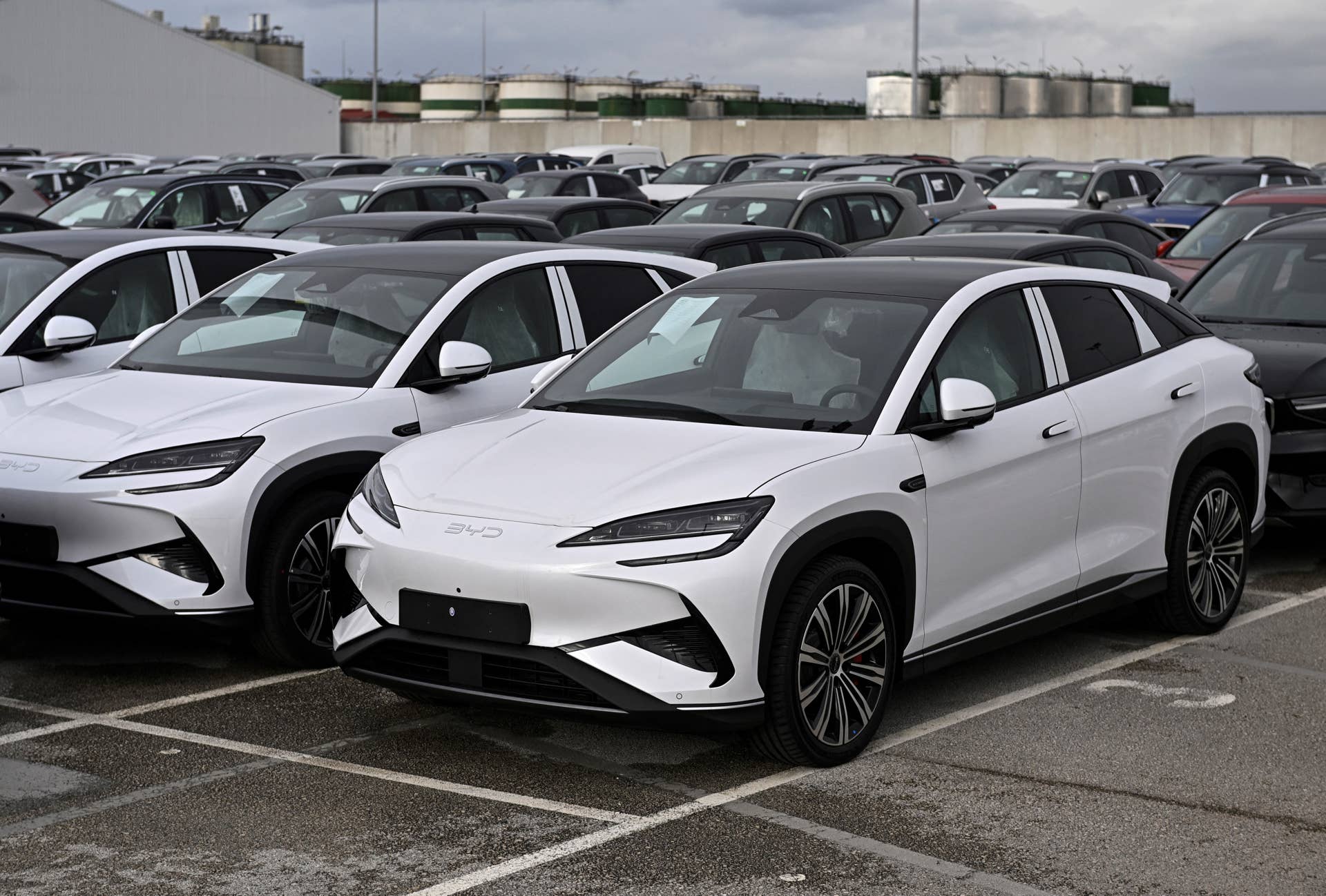
Photo by ANDER GILLENEA/AFP via Getty Images
Terms and Conditions Apply
Canada's Industry Minister Melanie Joly recently met up with some of China's biggest automakers, namely BYD, Chery, Geely, and SAIC. Those companies make up the country's Big Four, and there are loads more brands and subsidiaries under each of their wings. There, some ground rules were proposed to ensure long-term commitment.
According to CTV News, the automakers shouldn't just build a plant, but must also abide by Canada's labor codes and source supplies from the country. The goal isn't just to create jobs but also to build a supply chain that relies on Canadian industries. Also, any Chinese automaker who'd like to assemble cars in Canada must have a joint venture with majority Canadian ownership and an assurance that personal data collected and stored in the vehicles will not be sent to the Chinese government.
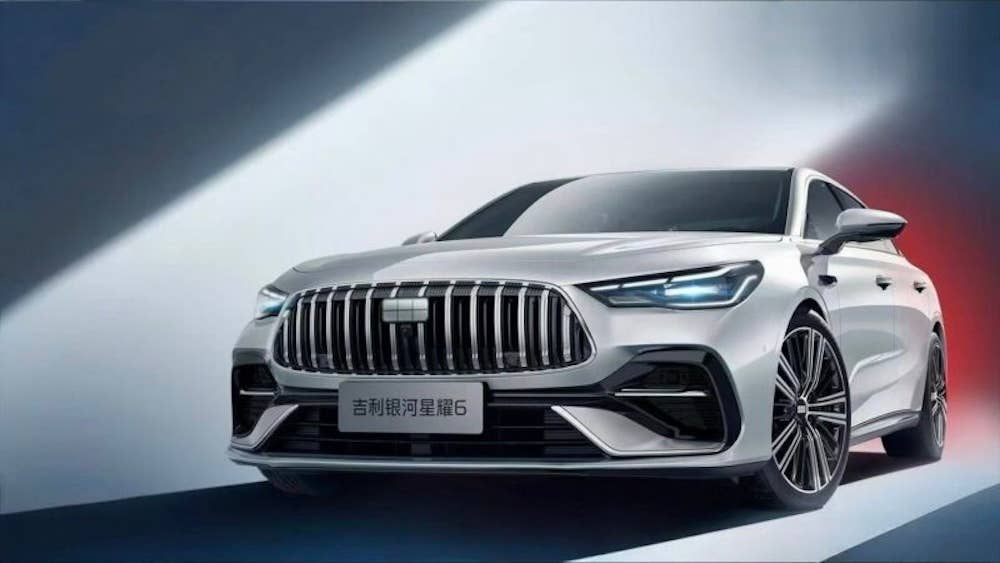
Geely
Behind the Scenes
While the Chinese auto industry appears to be expanding rapidly, things aren't as rosy back home. It's currently facing a slump in the domestic market, hence the need to sell as many cars as it can outside of its borders to make up the difference and opportunity cost. The incentives and subsidies won't last forever, and now is the time to show its own government that it can stand on its own.
On the surface, China's car industry is booming as it slowly but surely nibbles at market share in several regions. However, many challenges still remain, and the lucrative U.S. market isn't just keeping its walls up; it's building them even higher. There's no doubting the pace of its development, but market forces and resistance won't make things any easier.
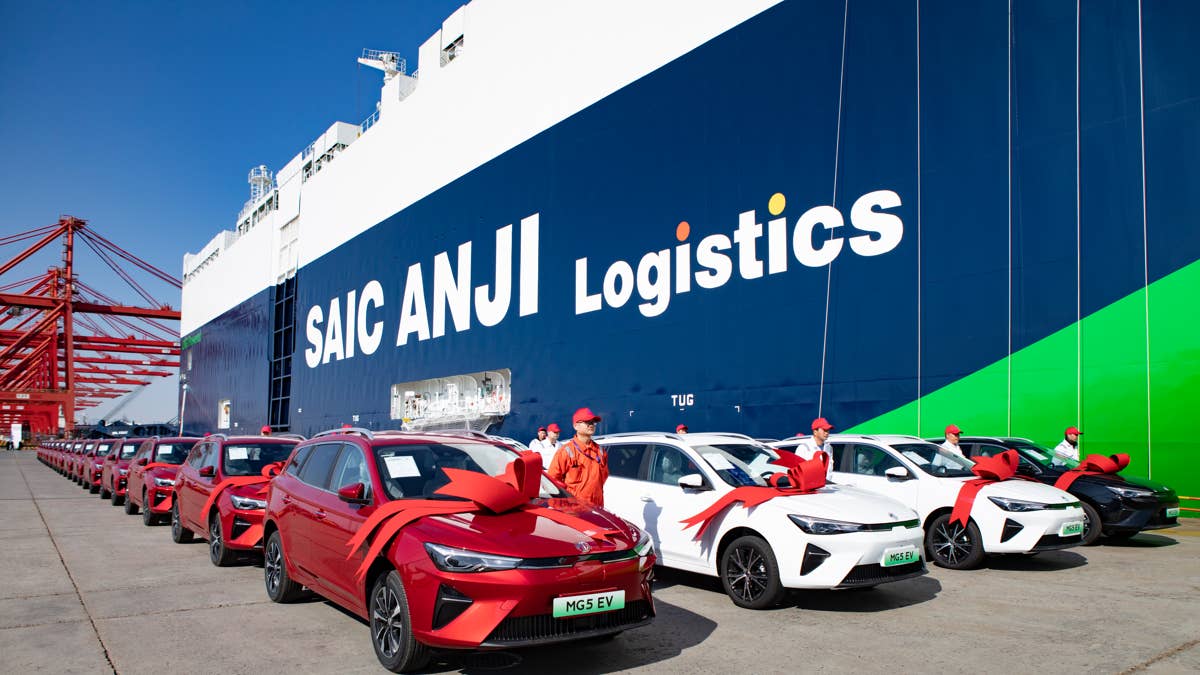
VCG/VCG via Getty Images
Join the conversation
You can post now and register later. If you have an account, sign in now to post with your account.