_811205.png)
_e196d8.png)
_32b3d9.png)
_1c53fe.png)

Arguably, the most pressing question with the electric vehicle transition has been, what happens to the thousands of battery packs used in these cars when they inevitably reach the end of their life? Until now, countries including the United States have lacked comprehensive, legally binding solutions. Leaving the consumers and the recycling industry to figure out the problem created by electrification policy and EV manufacturers.
This is about to change. Colorado Governor Jared Polis recently signed the "End-of-Life Management of Electric Vehicle Batteries" bill (SB 26-003) into law, making Colorado the first state in the nation to mandate exactly how EV batteries are handled at the end of their lifespan. This groundbreaking legislation is poised to serve as a vital blueprint for the rest of the country, predicted to succeed where similar bills in states like California, Florida, and Nevada have either stalled or failed.
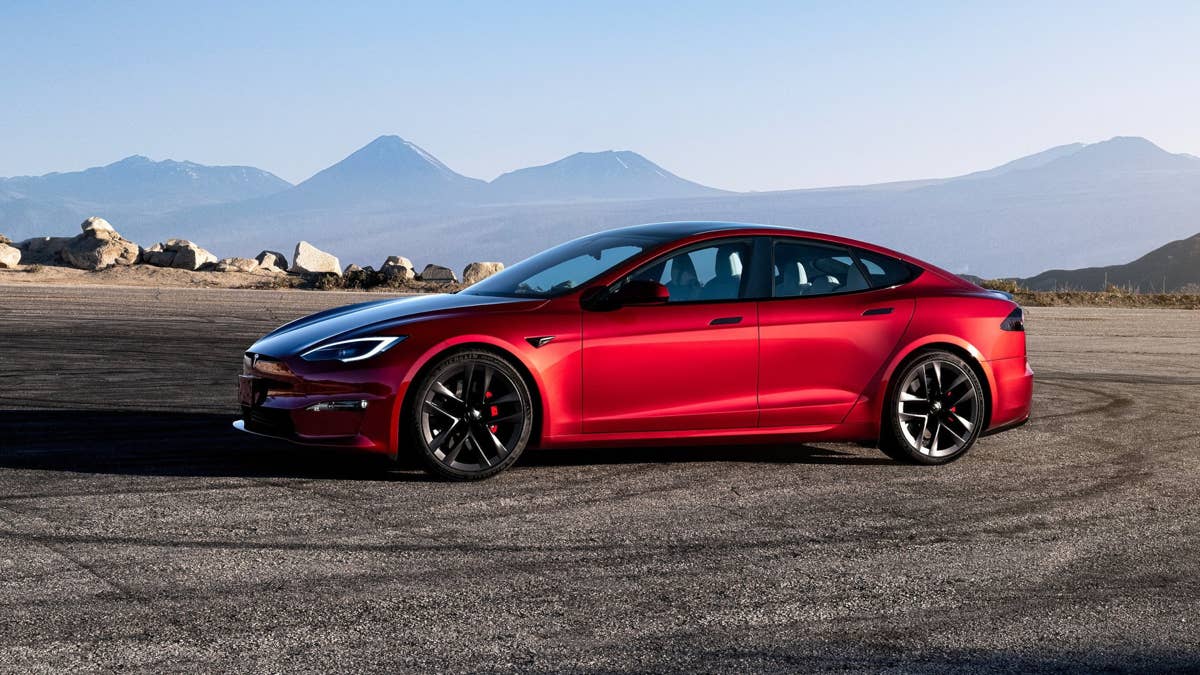
Tesla
What the Law States
The crux of this new law is an "extended producer responsibility" (EPR) model. According to the EPR, the logistical and financial burden of dealing with these batteries now lies with the vehicle manufacturers - rather than placing the burden on consumers, local municipalities, or independent junkyards and recyclers.
According to the new law, automakers are legally required to:
- Collect for Free: If a wrecked or retired EV finds itself at a third-party dismantler, mechanic, or scrap yard, the automaker must step in to collect the unwanted battery entirely free of charge.
- Responsibly Manage End-of-Life: Manufacturers must ensure that these batteries are repurposed or recycled when their service in the vehicle is complete. To enforce this, landfill disposal of EV batteries will be outright banned in the state starting in July 2029.
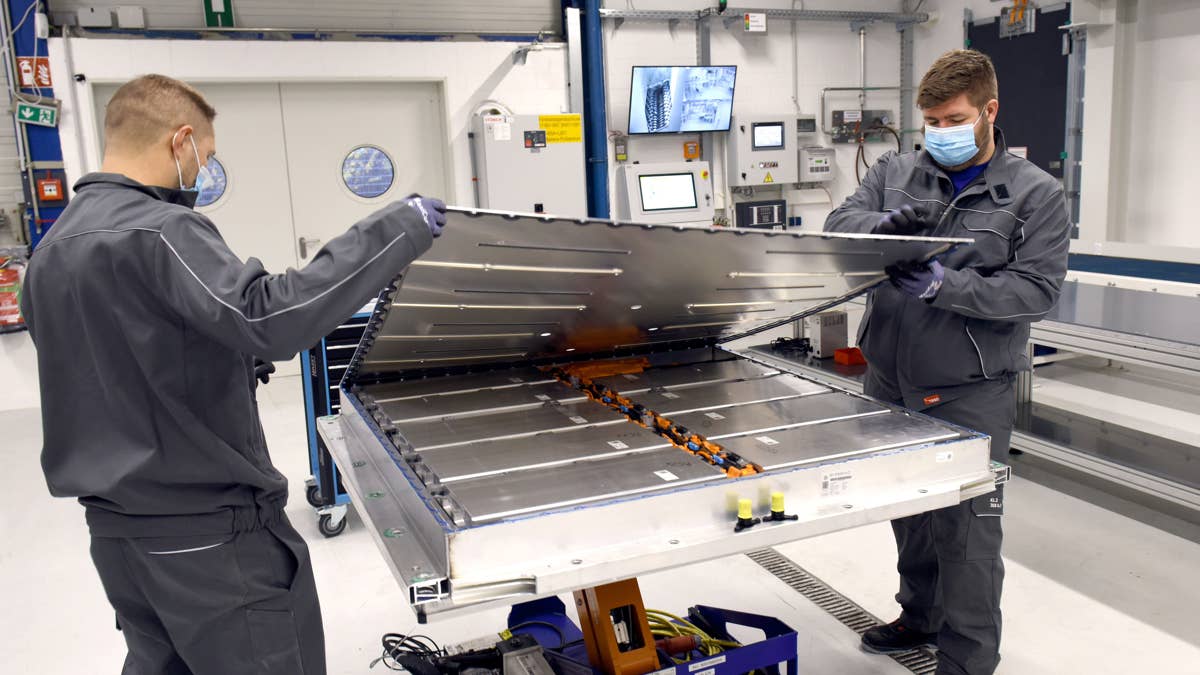
Strict Mineral Recovery Standards
For manufacturers, simply breaking down the old batteries will not suffice. The actual efficiency of the recycling process also matters. Historically, older recycling methods like smelting have produced high amounts of greenhouse gases while recovering a relatively small amount of usable materials. This is crucial at a time when battery tech is constantly evolving.
Colorado's law tackles this by setting strict, legally binding recovery targets for critical minerals. By 2031, battery recycling must recover at least 90 percent of cobalt and nickel, and 50 percent of lithium (with a required increase to 80 percent by 2035). This reduces America's reliance on foreign supply chains and the environmentally brutal process of mining new raw materials.
Empowering the Consumers
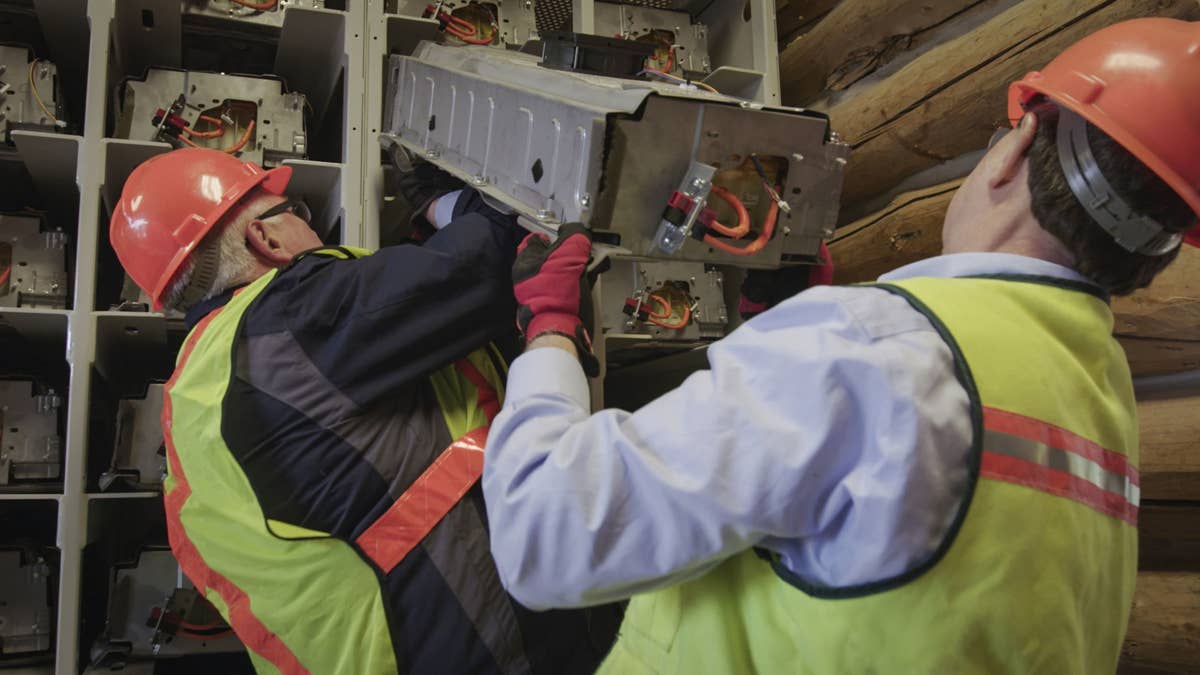
Toyota
Legislation like this is the need of the hour. For transparency, the state is also mandating new data-sharing standards. Future EV batteries will feature standardized labels detailing their chemistry, capacity, and hazardous materials. In addition, automakers must make battery health data easily accessible, promoting informed and data-driven decisions about whether to reuse, repurpose, or recycle their batteries, encouraging a healthier environment for the future.
Join the conversation
You can post now and register later. If you have an account, sign in now to post with your account.