_811205.png)
_e196d8.png)
_32b3d9.png)
_1c53fe.png)

Chinese carmakers are viewed as major threats to established car brands in the United States, should they ever be sold here, due to their cheaper price tags. For now, huge import tariffs and rules against the use of Chinese connected vehicle software are among the factors keeping brands like Chery and BYD out of the U.S., but a new bill aims to go even further. Called the Protecting America from Chinese Cars Act, the bill—proposed by two members of Congress—would go so far as to ban any connected vehicle from China and “other adversarial nations” from entering the United States. It would effectively prohibit visitors from Canada and Mexico from driving such cars into the USA, and there are implications for Chinese-owned brands like Volvo, too.
Related: China’s Biggest Car Exporter Could Be Coming For America's Auto Market
Protecting America from Chinese Cars Act in Detail
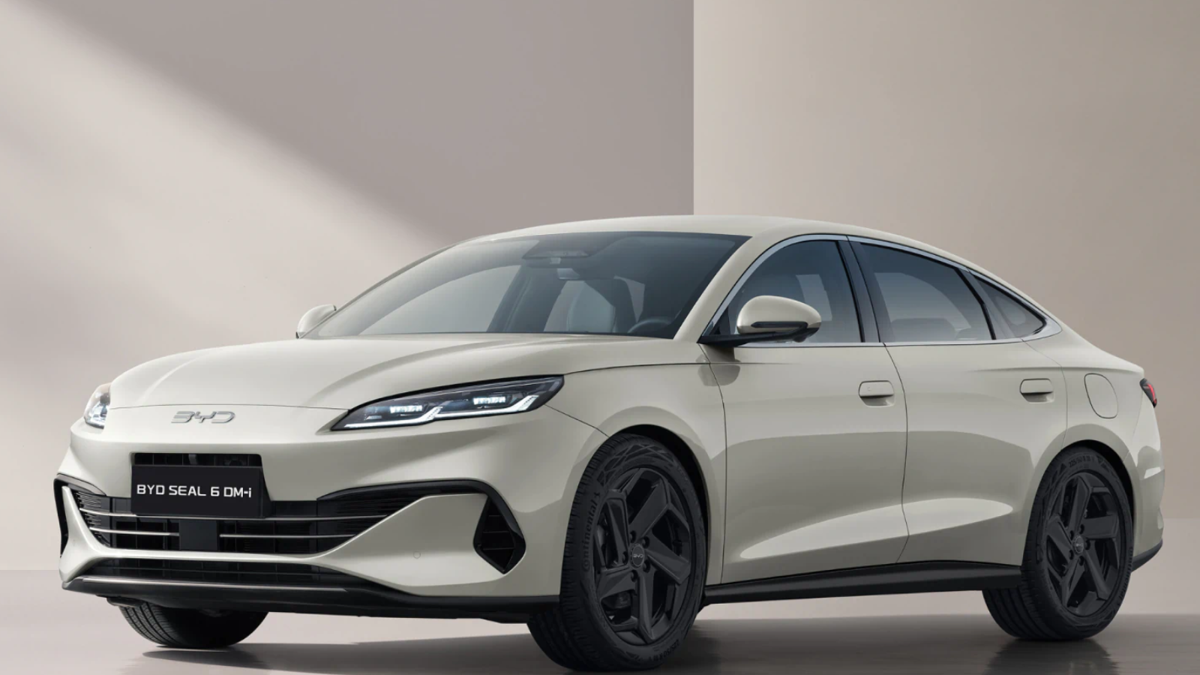
The new bill has been proposed by Representative Haley Stevens and U.S. Senator Elissa Slotkin, who both represent Michigan and are members of the Democratic Party. The bill centers around the capabilities of modern vehicles to collect and transit data, including full-motion video and geolocation of drivers.
“These connected vehicles are roving data collectors – sweeping up information that would threaten our national security if it were to fall into the hands of our adversaries,” states the bill. “Beyond the ability to collect and transmit information back to adversarial nations, connected vehicles could also be remotely accessed and tampered with. This capability in the hands of our adversaries presents a tremendous risk to our safety and security.”
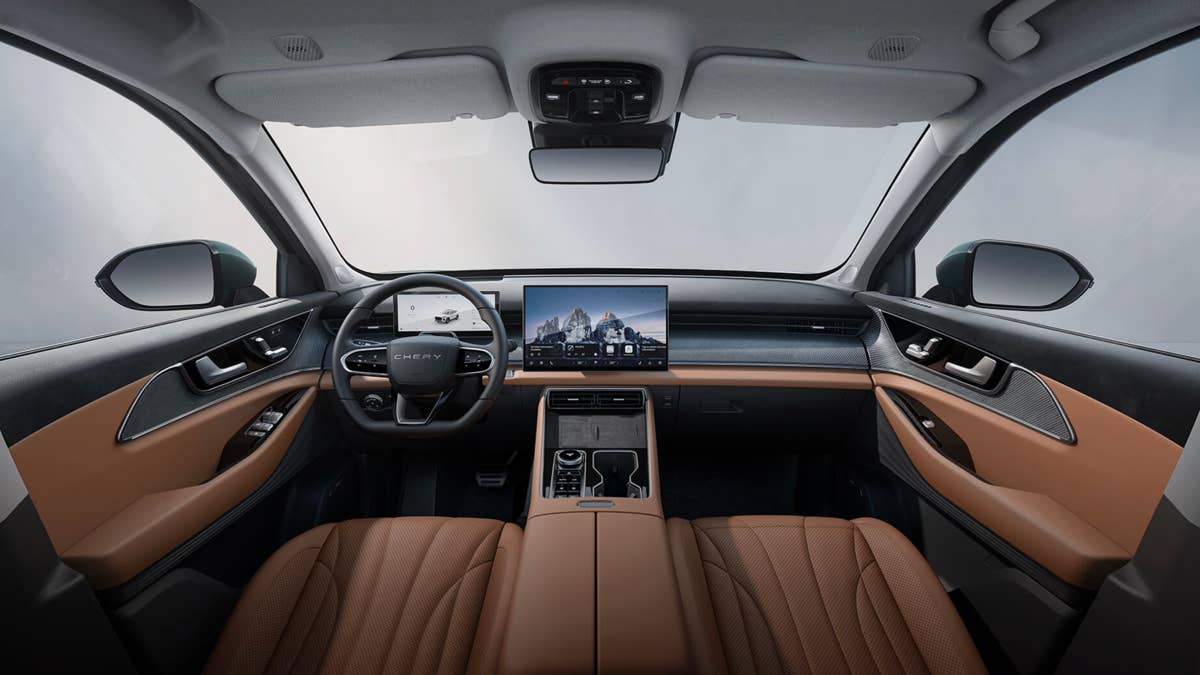
Chery
The Congresswomen pointed to China’s heavily subsidized auto industry, which has seen it quickly gain approximately 15% market share in Canada and Mexico, putting the threat of connected vehicles in close proximity to the United States. The bill proposes the following solutions:
- Ban connected vehicles from China and other adversarial nations from entering the U.S.
- The ban extends to vehicles built or designed in China, or even vehicles manufactured by a Chinese entity where Chinese companies have a greater than 15% stake
- A new process must be established for manufacturers to obtain authorization to allow these vehicles to enter the U.S., and the right to do so should only be granted under strict conditions
- New rules and procedures must be developed by the U.S. Customs and Border Protection to implement these requirements within 90 days of the bill’s enactment
The Chinese influence is increasingly closer to home. Last month, Nissan shared intentions to bring cheaper China-made EVs to Canada. It follows Canada’s decision to sharply reduce tariffs on Chinese EVs earlier this year.
Related: Winners And Losers Emerge As Canada Eases Tariffs on Chinese Electric Vehicles
What It Means
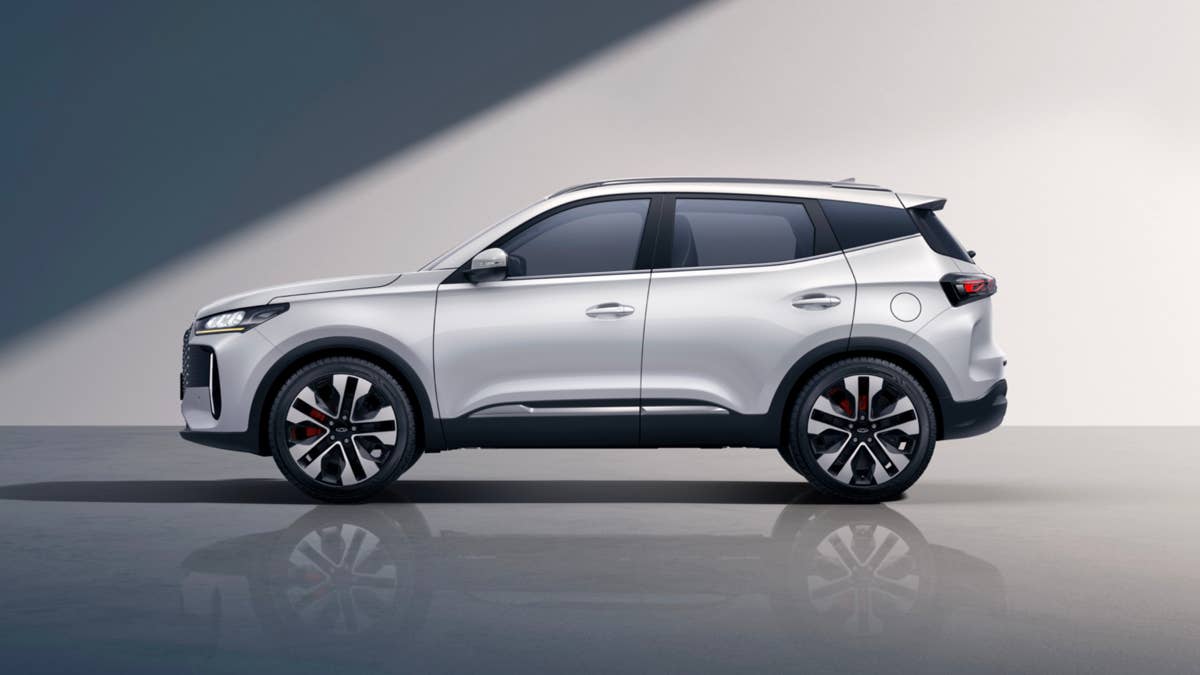
Chery
If passed, the bill would prevent ordinary citizens from Canada and Mexico from visiting the U.S. in their vehicles, should those vehicles be Chinese products. This goes much further than prior bills, which have been focused on stopping Chinese vehicles from being imported into the country.
There could be implications for American car buyers, too. If passed, the bill could technically prohibit the sale of certain Volvo models, given that Chinese giant Geely has a 78.7% stake in Volvo. Polestar, too, is partially owned by Geely. Just last month, Volvo announced it received approval from the U.S. government to allow it to continue selling connected vehicles, after rules barring almost all vehicle hardware and software from China. That ruling, finalized by the Biden administration in January 2025, also applied to companies with significant Chinese ownership. The latest bill threatens to overturn these special permissions for Volvo.
Join the conversation
You can post now and register later. If you have an account, sign in now to post with your account.