_811205.png)
_e196d8.png)
_32b3d9.png)
_1c53fe.png)

For years, China has been the proverbial boogeyman for the US auto industry, striking fear into legacy automakers who worry these foreign brands might put them out of business. Despite our government slapping 100% tariffs on imported Chinese vehicles to protect the domestic industrial base, Chinese companies say it's only a matter of time before they breach our borders. The writing is on the wall, and apparently, the consumer demand is unequivocally there for these heavily subsidized, tech-loaded bargains.
While Ford CEO Jim Farley ardently wants to bar their entry into our shores, Ford’s Chairman has a slightly different perspective on the long-term reality of this automotive cold war. Farley has continuously warned that an invasion of cheaper vehicles would be devastating to our country, but corporate leadership is beginning to publicly acknowledge that sweeping tariffs and legislative bans are merely a temporary shield, not a permanent solution.
US Automakers Must Prepare
According to a Wall Street Journal report, Ford Chairman Bill Ford stated the inevitable at a recent Axios event in Washington, DC. He made it clear that US automakers must actively prepare to go toe-to-toe with Chinese car companies to survive.
“We can’t expect to keep them out forever, and we have to be able to beat them at their own game,” Ford explained, urging the country to adopt a robust, bipartisan industrial policy that stretches beyond short-sighted political cycles.
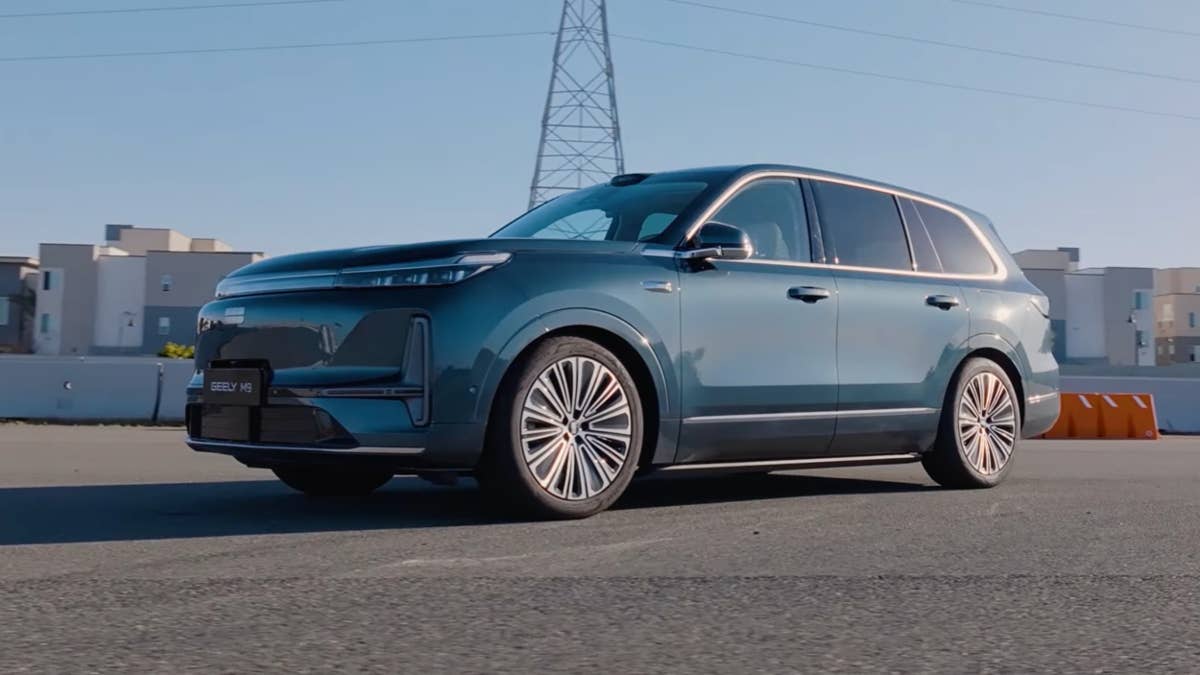
The threat is highly credible. Chinese vehicles, boasting top-tier quality and advanced connectivity, routinely sell for a fraction of American MSRPs. A well-equipped Galaxy M9 three-row plug-in hybrid SUV costs roughly $26,000 to $36,000 in U.S. dollars. With brands like BYD and Geely already capturing 20% of the Mexican market and Canada soon allowing limited imports, the North American market siege has officially begun.
Ford's solution isn't just to hide behind legislation. The Blue Oval is launching a family of affordable EVs on its new Universal Electric Vehicle platform, aggressively targeting a $30,000 price point. Starting in 2027 at the Louisville Assembly Plant, Ford will utilize a new "assembly tree" manufacturing process to churn out an all-electric midsize pickup, potentially reviving the trademarked "Ranchero" nameplate, designed by a secretive Skunk Works team operating out of California.
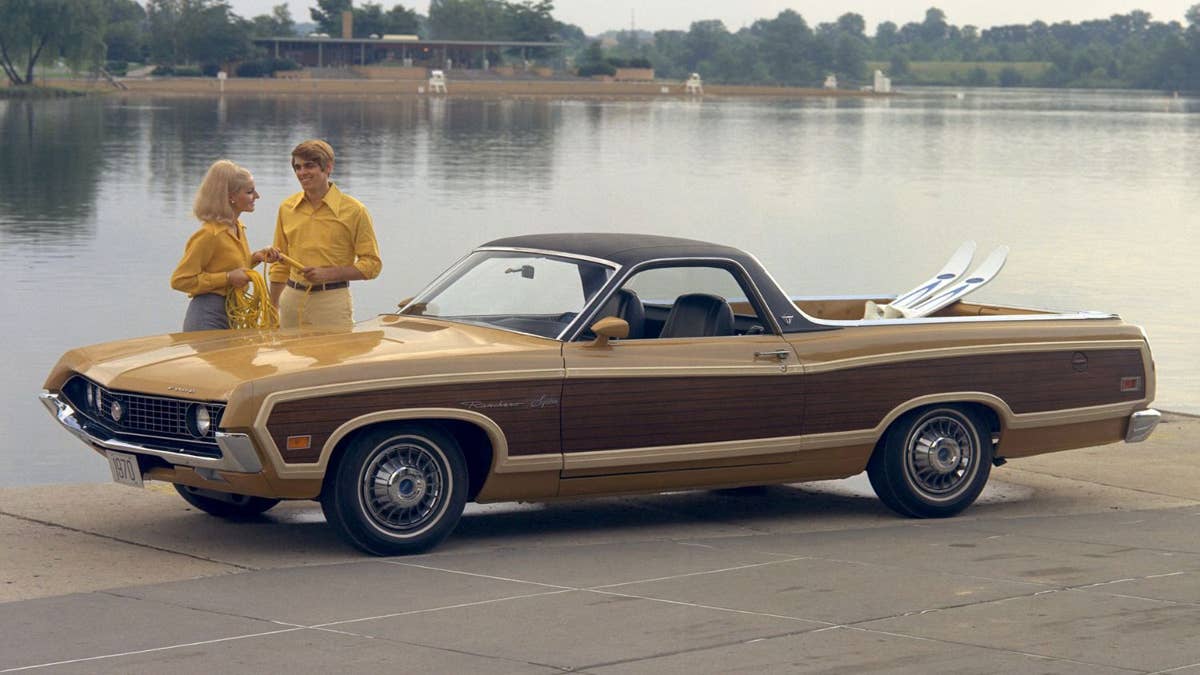
Ford
Protectionism Only Buys Time
To be brutally honest, protectionism only buys us time, not innovation. In the near future, your next car might easily be Chinese simply because legacy American automakers have struggled for years to deliver affordable EVs to the masses. Ford's aggressive push toward a $30,000 electric truck is a fantastic step in the right direction, but competing against subsidized global powerhouses requires monumental leaps in cost efficiency that the traditional Detroit assembly line was simply never built for.
While Ford itself vehemently denies working together with overseas rivals to produce vehicles stateside, the benefits of doing so cannot be overstated. Sharing vehicle platforms and next-gen battery tech could significantly accelerate our own EV adoption and lower prices for cash-strapped consumers. If we don't figure out a way to rapidly evolve and learn from our biggest competitors, we'll be completely overrun the minute the legislative dam breaks.
Join the conversation
You can post now and register later. If you have an account, sign in now to post with your account.