_811205.png)
_e196d8.png)
_32b3d9.png)
_1c53fe.png)

Truck Nation
The pickup truck segment is still a large chunk of the American new car market, though it is now falling behind SUVs. Trucks still command around 16% of the total market share in the U.S. Annual sales of the whole truck market hover around 2.7 to 3.1 million trucks.
The undisputed king of this segment has always been the Ford F-Series, holding the crown as the best-selling model for a record 49 consecutive years and as the best-selling model across the nation for a whopping 44 years.
Knowing the importance (and reliance) of the nation on its product, Ford takes its trucks very seriously, especially when it comes to testing their capabilities and reliability. Ford uses its Michigan Proving Grounds (MPG) as ground zero for all things truck testing. Susan Regalia, the Operations Supervisor who oversees reliability testing, feels that the public doesn't fully grasp what Ford puts its vehicles through.
Ford
Built Ford Tough
Regalia said people would generally be surprised to learn what Ford does to test the car's durability. Specifically, the Blue Oval doesn't do the easy stuff, opting to test the trucks as the "most demanding customers would."
At MPG, the team condenses 10 years and 150,000 miles' worth of wear and tear into just 4 months of testing. To achieve this, the test mules are almost always constantly in use.
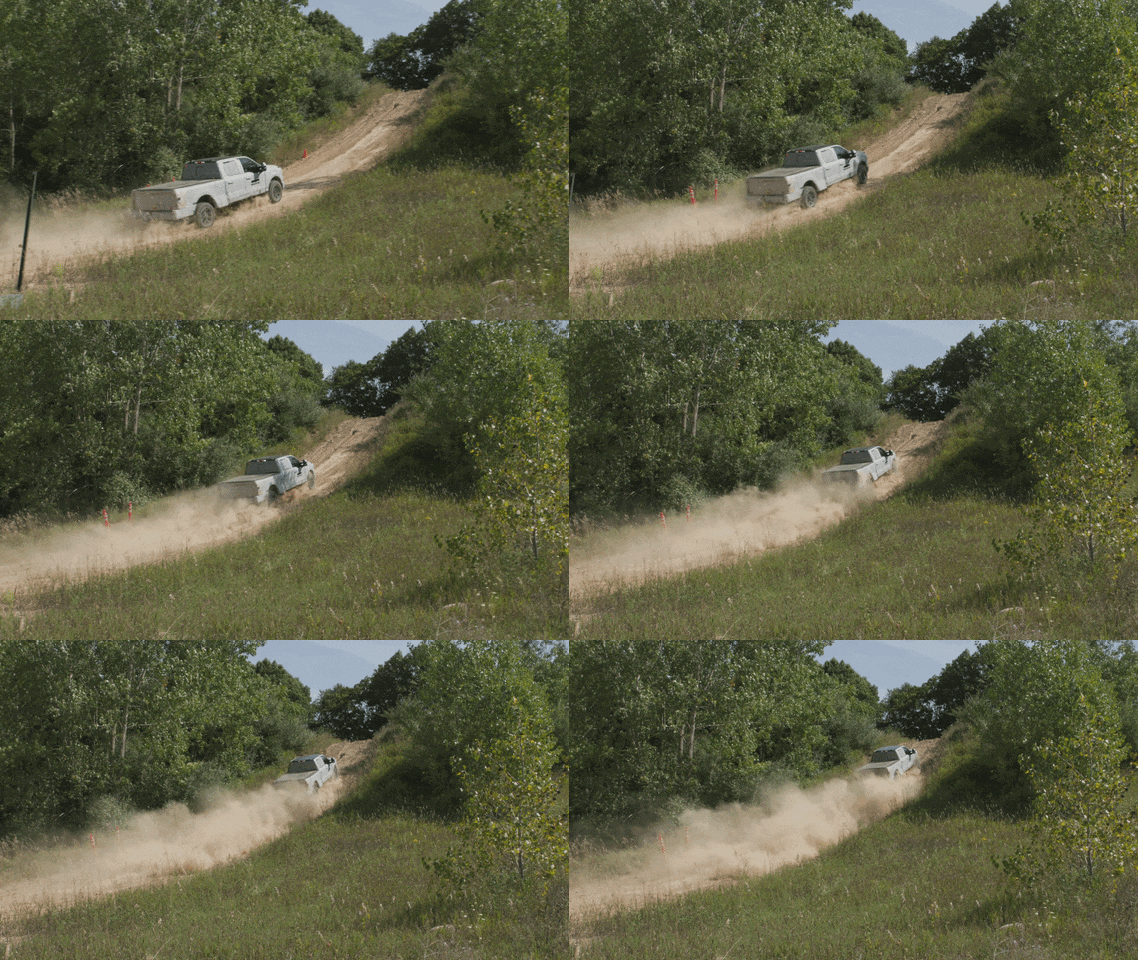
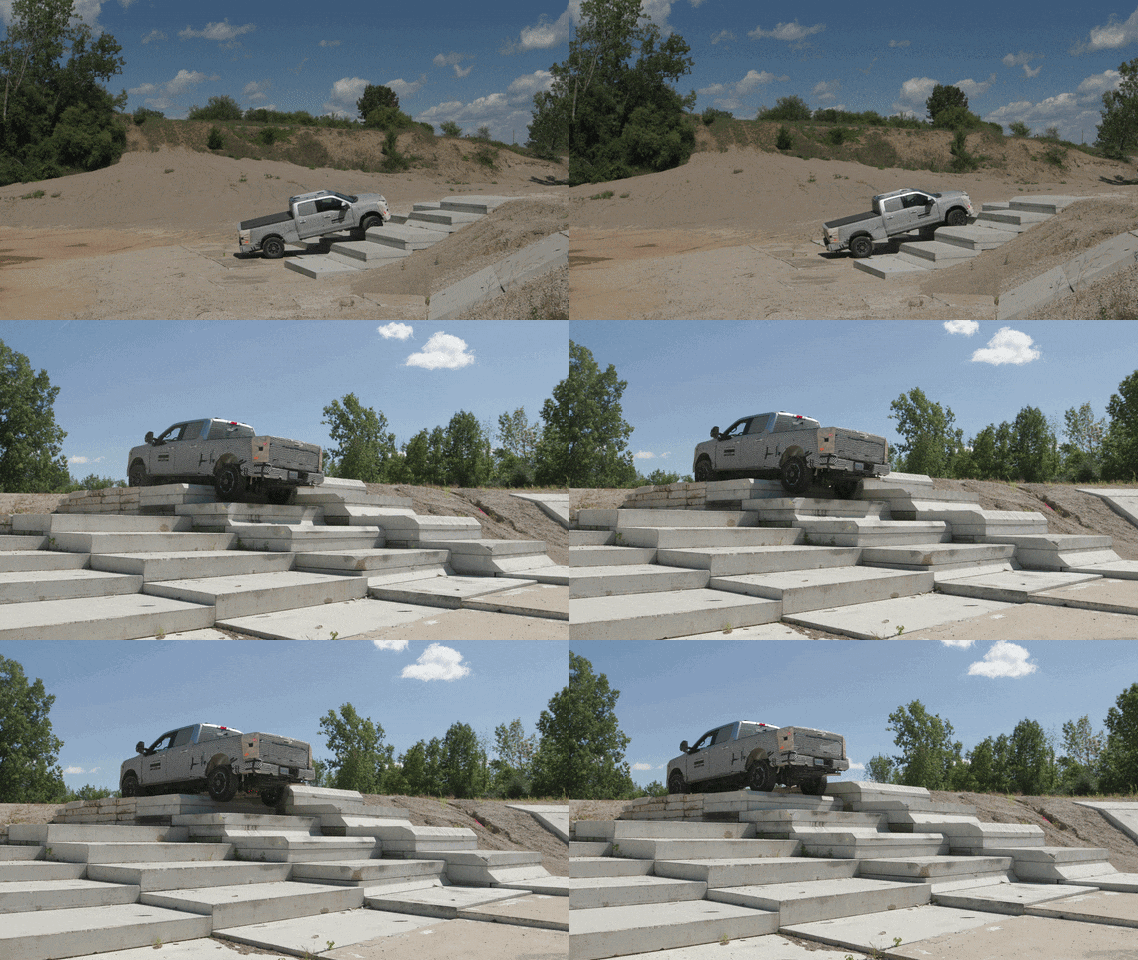
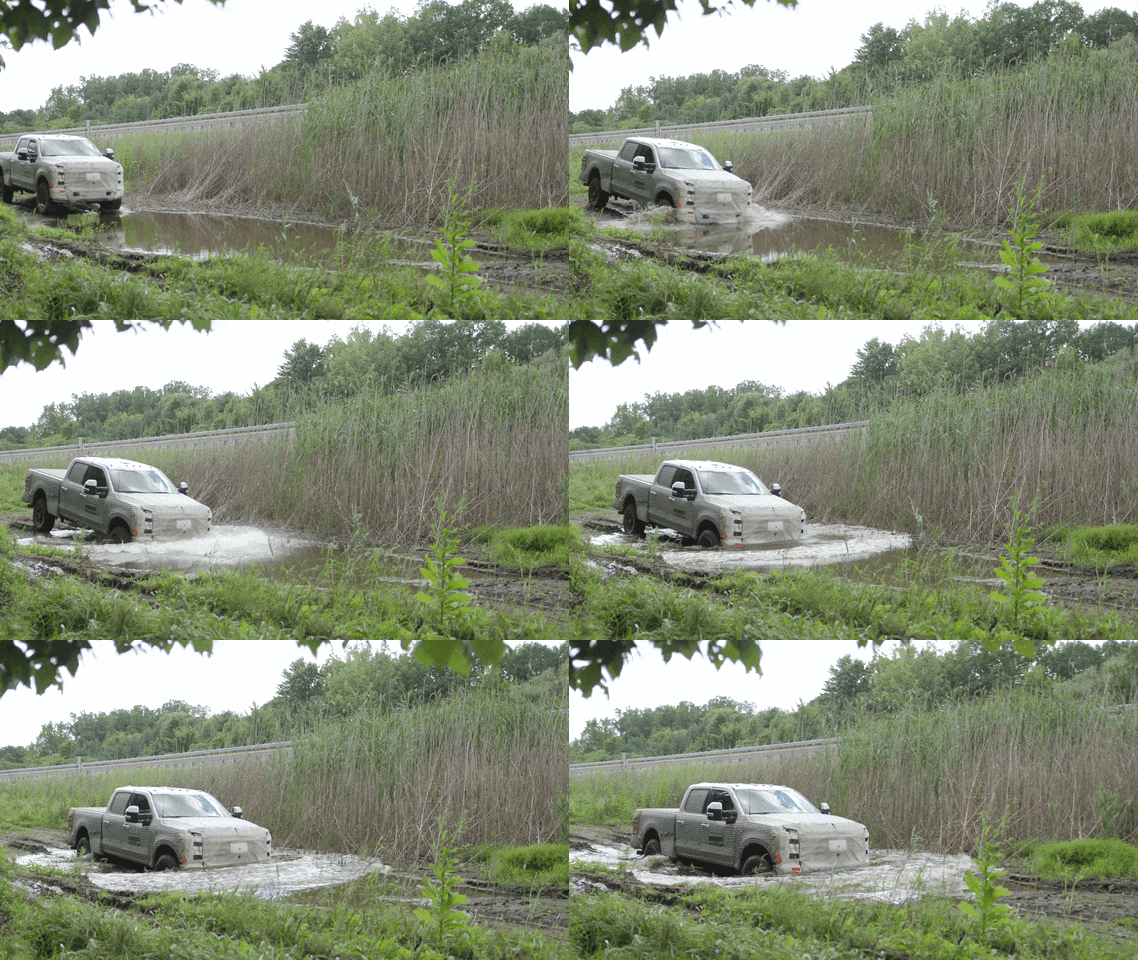
The trucks undergo dyno tests that measure engine performance, torque, and rpm, are driven over different types of rough surfaces, and, of course, river crossings. One of the most demanding is Power Hop Hill, where the vehicles try to climb up an incline with "steps" like a staircase for cars. It isn't just about changing surfaces; Ford also conducts these tests under load, putting cargo and people together to see how the truck performs at full weight capacity.
Ford
Robot Assist
One would be forgiven for thinking that all these tests would be demanding for human testers, given their severity and tight deadlines. This has prompted Ford to deploy robots at MPG to help take the load off some human drivers. In fact, from time to time, up to 20 robots can be seen driving around the facility's high-speed test track, with Ford claiming that these robots provide precise data during testing, since they can maintain a constant speed in every test run.
The team says it's a good mix: real human input provides a range of insights, while the robots can handle the exact data gathering. Ford says humans provide perception, while robots provide precision.
Ford
Join the conversation
You can post now and register later. If you have an account, sign in now to post with your account.