_811205.png)
_e196d8.png)
_32b3d9.png)
_1c53fe.png)

Ford and General Motors want to continue selling China-made models in the United States, but they require government authorization for that to happen.
Starting with the 2027 model year, the U.S. is enforcing a ban on Chinese and Russian software in connected vehicles, with more severe hardware restrictions slated to begin with 2030MY vehicles.
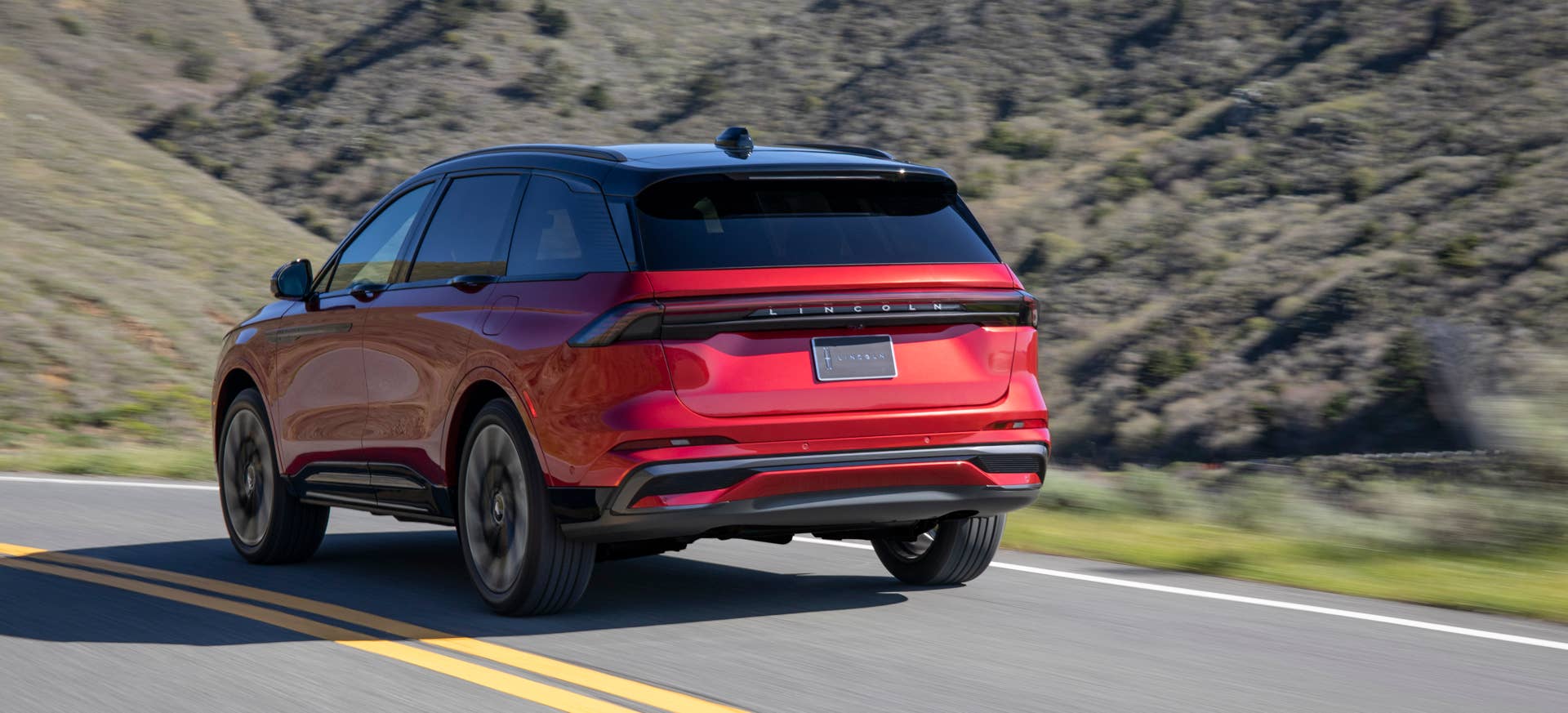
Ford confirmed to Reuters it requested authorization from the U.S. Commerce Department to continue importing the China-built Lincoln Nautilus. The SUV features software developed in the U.S., but installed into the vehicle in China. For that reason, Ford requires government approval to continue selling the midsize crossover in the United States.
China-Made Lincoln Nautilus And Buick Envision Directly Targeted By The Ban
Lincoln
The Lincoln Nautilus is among a handful of Chinese imports that had been on sale in the U.S. prior to the government restrictions going into effect. Ford said U.S. imports of 2027 model year Nautilus vehicles will likely begin in January, which gives it several months to secure the authorization.
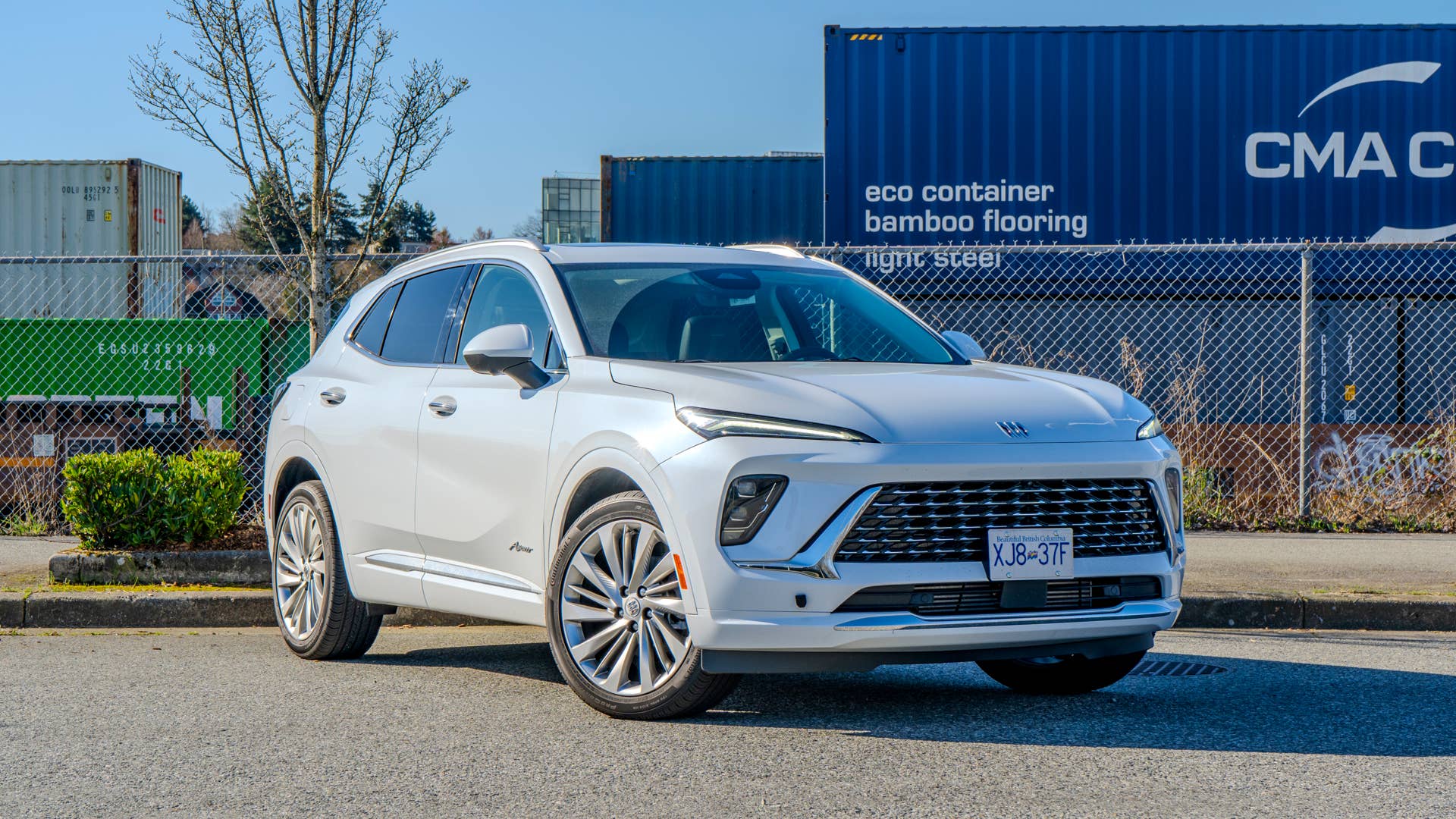
Other automakers that may need to apply for special authorization include Polestar, which does not sell China-made vehicles in the U.S. anymore but is majority-owned by Geely, and General Motors, which builds the Buick Envision in China. Earlier this year, GM said it would move production of the compact crossover to a Kansas plant from 2028.
It is not clear how many automakers have applied for similar exemptions as GM and Polestar declined to say whether they did, and the Commerce Department does not publish specific authorization applications or decisions.
Cole Attisha
The new rules include a ban on most Chinese-developed and -maintained software and cover companies with significant Chinese ownership, such as Volvo Cars, which in late May was granted U.S. approval to keep selling connected cars in the United States.
According to Reuters, the complex licensing process Ford and other automakers have to navigate exposes how intertwined the U.S. auto industry’s supply chains are with China.
The rules were adopted in January 2025 under President Joe Biden on grounds of national security concerns linked to the ability of vehicles to collect sensitive data on American owners and strategic locations; the Trump administration kept the rules in place.
A Hardware Ban Is Also Coming Starting With The 2030 Model Year

Volvo
While the software ban has caused headaches for some automakers on certain models, the hardware ban that will be enforced starting with the 2030 model year will be much more difficult to navigate.
Aimed at decoupling the U.S. auto hardware supply chain from China, the restrictions are expected to be more complicated and require more time for automakers to adapt, according to a study from the Rhodium Group cited by Reuters.
The ban will also affect parts suppliers, with tire maker Pirelli warning that one of its products risked being banned because the company has a large Chinese shareholder. The Italian company said in May it would being producing the tire at a U.S. plant.
Join the conversation
You can post now and register later. If you have an account, sign in now to post with your account.