_811205.png)
_e196d8.png)
_32b3d9.png)
_1c53fe.png)

Supplier Fires Stall the F-150
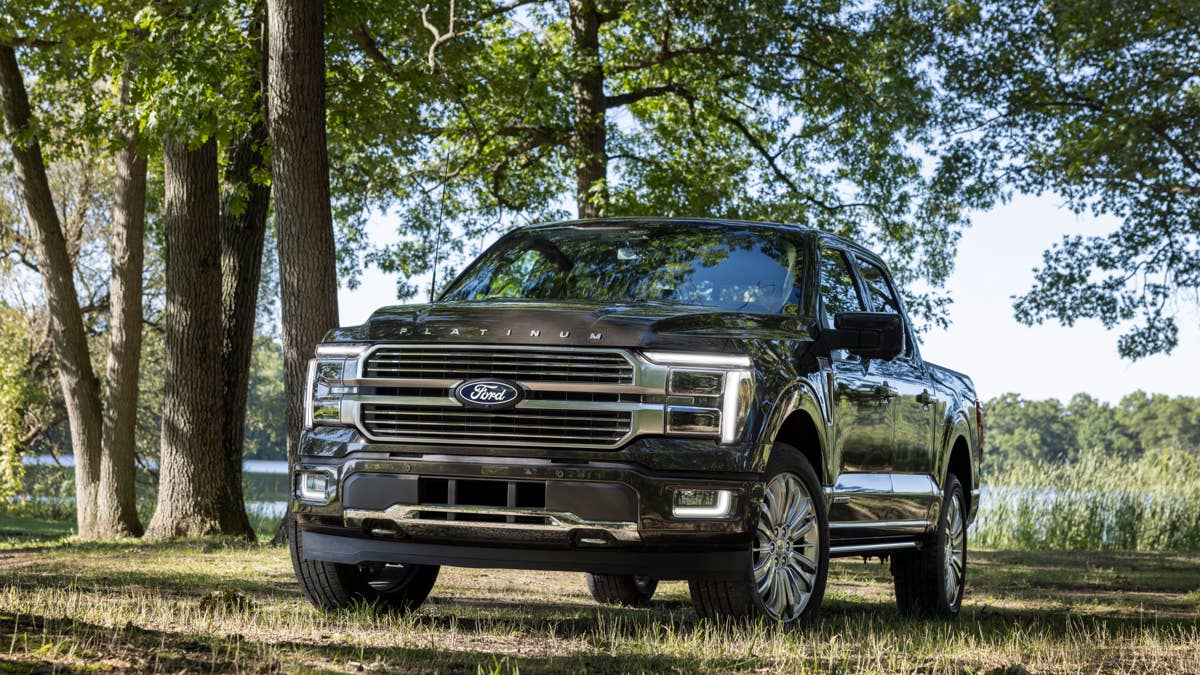
A recent report from the Detroit Free Press brings a massive sigh of relief to the Blue Oval, noting that Ford's key aluminum supplier, Novelis, is finally back up and running at its Oswego facility. This news follows a dark period for America's best-selling vehicle. Last year, Ford experienced a serious setback when a massive fire broke out at this critical supplier facility, bringing operations to a sudden halt. The situation escalated further when a third fire at the same location threatened the production lines for the F-150 and several major SUVs.
The immediate fallout from these industrial disasters forced major assembly plants to hit the brakes. Without the specialized aluminum required for the truck bodies, the entire manufacturing process faced an unprecedented bottleneck. Plant workers were left waiting for raw materials, and executives scrambled to find temporary fixes just to keep the lights on. The sheer scale of the disruption highlighted the hidden fragility of a modern manufacturing model that relies heavily on a single critical source for a flagship vehicle.
Ford
The Domino Effect Hits Dealerships
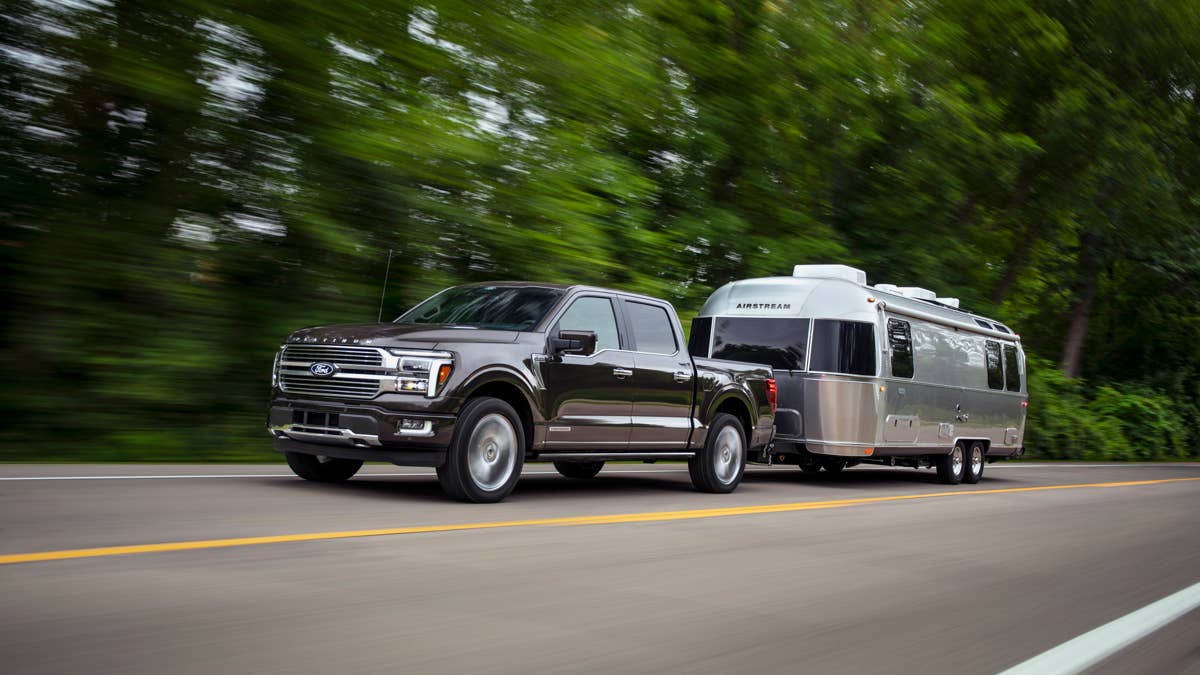
What happened next was nothing short of catastrophic for the brand. The missing aluminum triggered a massive domino effect across Ford's entire heavy truck division. Because the modern F-150 relies exclusively on an aluminum alloy body to save weight and improve towing capability, the sudden lack of sheet metal meant the trucks simply could not be built. Assembly lines slowed to a frustrating crawl, and the harsh ripple effects were felt from Detroit factories all the way to local showrooms across the country.
Dealerships soon found themselves in a dire situation, facing a severe vehicle shortage that left their lots with almost no trucks to sell. Loyal customers who came looking for the newest models were met with empty pavement and painfully extended wait times. Sales managers had to turn away ready buyers or place them on seemingly endless reservation lists with no guaranteed delivery dates. The sheer lack of inventory created a frustrating environment for both the dedicated dealers trying to make a living and the everyday drivers needing a reliable workhorse.
Ford
Pinch Hitters and Price Hikes
Looking ahead, Ford plans to aggressively diversify its supply chain and stockpile critical materials to prevent another total factory shutdown, but the financial damage is already done. Our editorial take is that this logistical nightmare will inevitably hit loyal consumers' wallets. Analysts project a massive $900 million cost surge associated with these supply chain fixes and halted production lines. That staggering figure points to one unfortunate reality for future buyers: the famous F-Series trucks are poised to become significantly more expensive very soon.
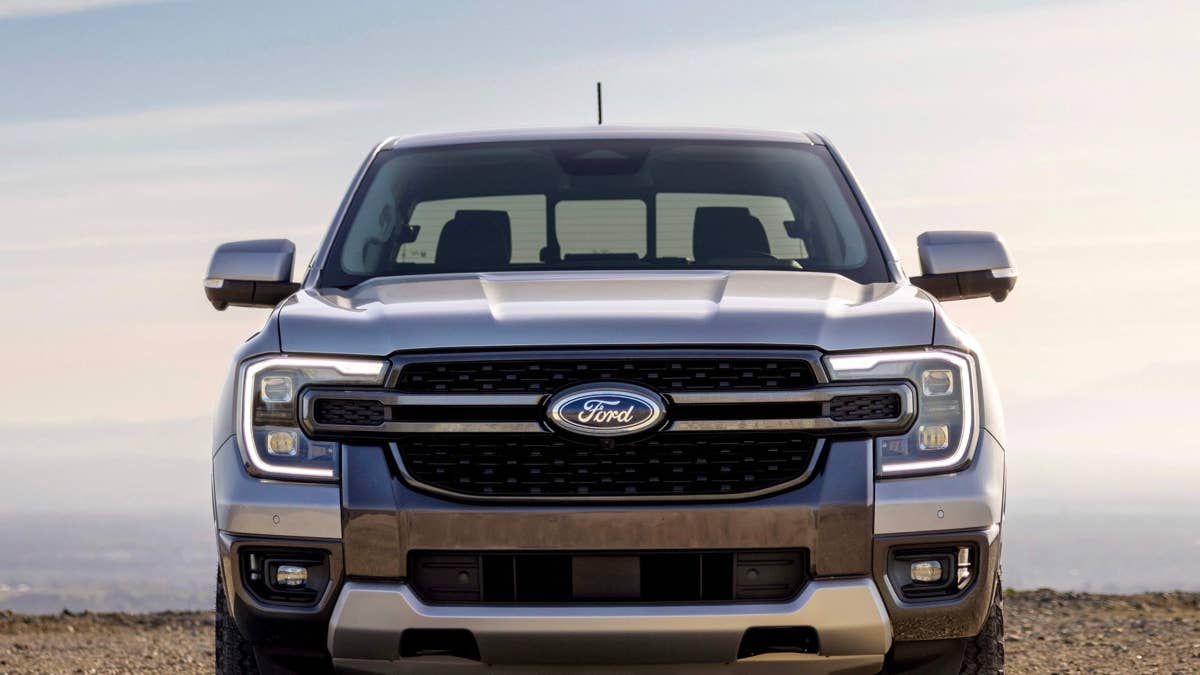
However, there is a silver lining to this entire stressful ordeal. When the flagship truck stumbled, a highly capable pinch hitter stepped up to the plate in the form of the Ford Ranger. The midsize truck completely defied the broader auto sales slump, capturing the attention of practical buyers who could not find an F-150 or simply refused to pay steep dealer markups. The Ranger proved its worth, keeping the brand afloat in the vital pickup segment when things looked bleak. If this saga teaches the automotive industry anything, it is that putting all your eggs in one basket is never a smart strategy.
Ford
Join the conversation
You can post now and register later. If you have an account, sign in now to post with your account.