_811205.png)
_e196d8.png)
_32b3d9.png)
_1c53fe.png)

Russians Look to Gas as Alternative to Gas
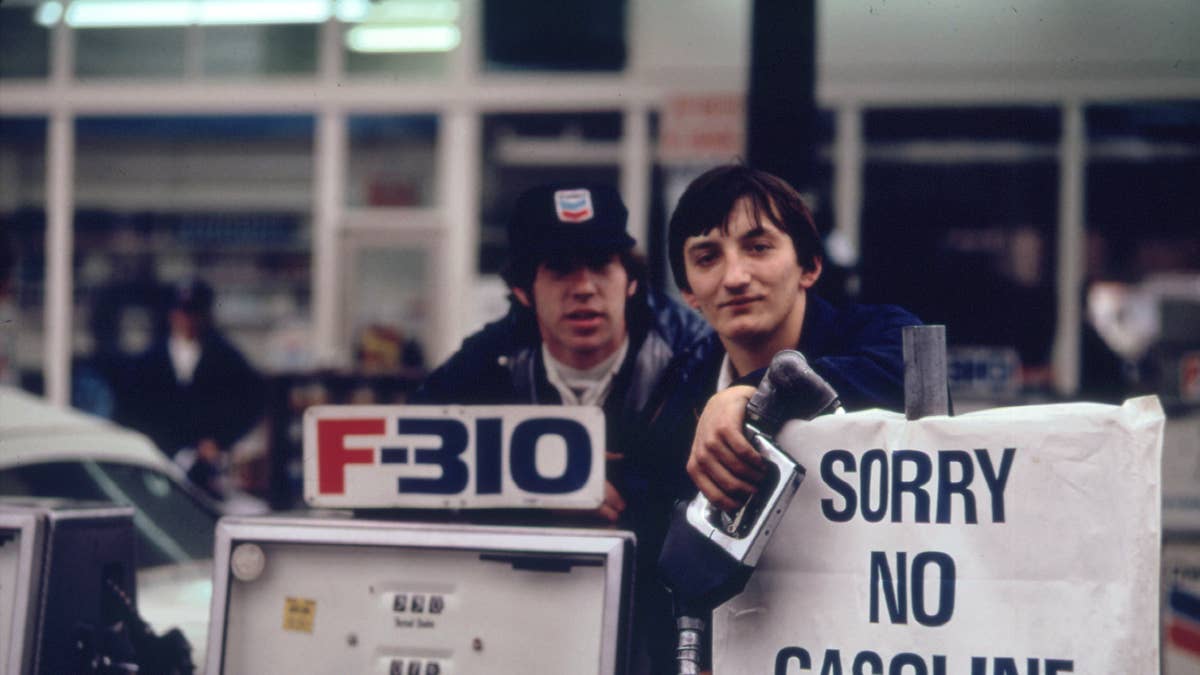
The former energy superpower is facing a serious reality check at the pump. Following a relentless series of Ukrainian strikes on domestic refineries, Russia is dealing with crippling fuel shortages that have left regular citizens stranded. Gasoline prices have skyrocketed to levels that occasionally eclipse those seen in the United States and Europe.
According to a Reuters report, the resulting chaos has created seemingly endless queues at filling stations across Moscow and beyond. With local crude supplies dwindling, drivers are abandoning regular gasoline altogether. Instead, they are racing to adapt their daily drivers to run on Liquefied Petroleum Gas (LPG) just to keep their commutes alive.
The Desperate Pivot to Alternative Fuels
Local mechanics are completely overwhelmed by the sudden panic. Egor Popov, operator of the Moscow-based Garant-Gas conversion center, says demand for LPG retrofits has multiplied exponentially, leaving his shop with a waiting list stretching into September. Sergei Medvedev, another local retrofit specialist, reported receiving nearly 300 inquiries in a single day but possesses the bandwidth to process only a fraction of those desperate callers.
While American consumers might look toward battery-powered alternatives when fuel costs spike, the Russian market was already perfectly positioned for a propane pivot. According to the World Liquid Gas Association, Russia consumed roughly 3.5 million metric tons of LPG for automotive use back in 2024. The infrastructure exists, making fuel abundant, with no long station lines, and significantly cheaper than regular gasoline.
The pivot to propane and butane is part of a larger global automotive anxiety. We are seeing similar alternative fuel trends taking hold across Europe, while broader fears of geopolitical choke points threaten international stability. Supply chains are so strained globally that even the biggest automotive giants are scrambling to secure basic fluids and raw materials just to keep assembly lines moving.
HUM Images/Universal Images Group via Getty Images
The Lowdown
From a stateside perspective, watching an oil-rich nation scramble to keep its civilian fleet moving is nothing short of surreal. It proves that no country is entirely immune to the ripple effects of modern warfare on domestic infrastructure. When refineries go up in smoke, the trickle-down effect hits the daily driver almost immediately.
Ultimately, this sudden LPG boom is a desperate survival tactic rather than a calculated environmental shift, despite propane being less emissions-intensive than standard gasoline. It highlights how quickly the automotive landscape can morph when survival mode kicks in, forcing everyday drivers to completely rethink what powers their journey.
Join the conversation
You can post now and register later. If you have an account, sign in now to post with your account.