_811205.png)
_e196d8.png)
_32b3d9.png)
_1c53fe.png)

Genesis has always had one big challenge. The cars are good, the designs are distinctive, and the ownership package is strong, but the brand still has to prove it belongs in the same conversation as BMW, Mercedes-Benz, Audi and Lexus. That is especially true in the US, where luxury buyers have no shortage of familiar options.
Genesis is now making its position clear. It does not want to win by being cheaper. It wants to compete directly with the established luxury players and hold its price while doing it.
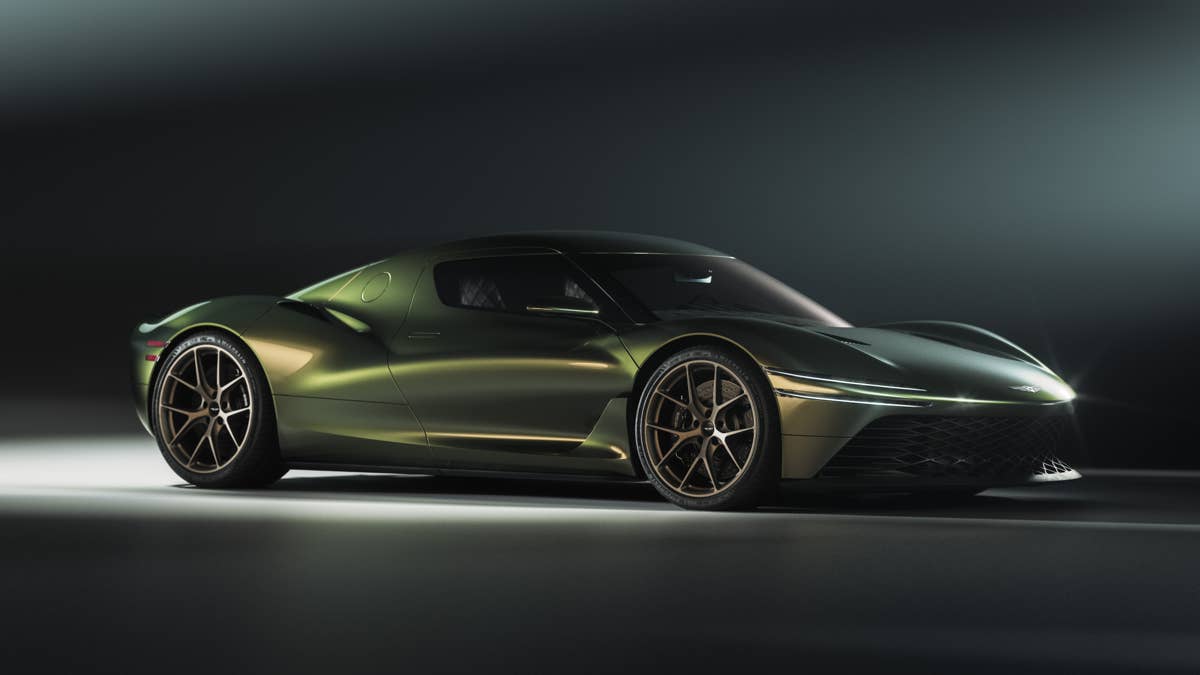
Speaking during a media roundtable at Le Mans last weekend, Genesis CEO Jose Muñoz said the company is focused on profitable growth, brand strength and pricing power, rather than chasing sales with discounts. The problem is that Genesis got to 82,000 US sales partly because of that value perception. Shedding it without losing the buyers it attracted is the harder task the brand hasn't fully answered yet.
Genesis
The US Is Genesis' Proof Point
The US market matters more than most for Genesis. It is one of the most competitive luxury markets in the world, and it is where the German brands generate serious volume and profit. Muñoz said Genesis' performance in America has given the brand confidence that its approach can work.
"The US market, which I would argue is the most competitive, if you compete head to head with the German three, where they all have the biggest sales and profits, it was a huge demonstration on what to do, and how to be successful," he said.
Related: Genesis’ V8 Supercar Finally Shows Off Its Gorgeous Analog Interior
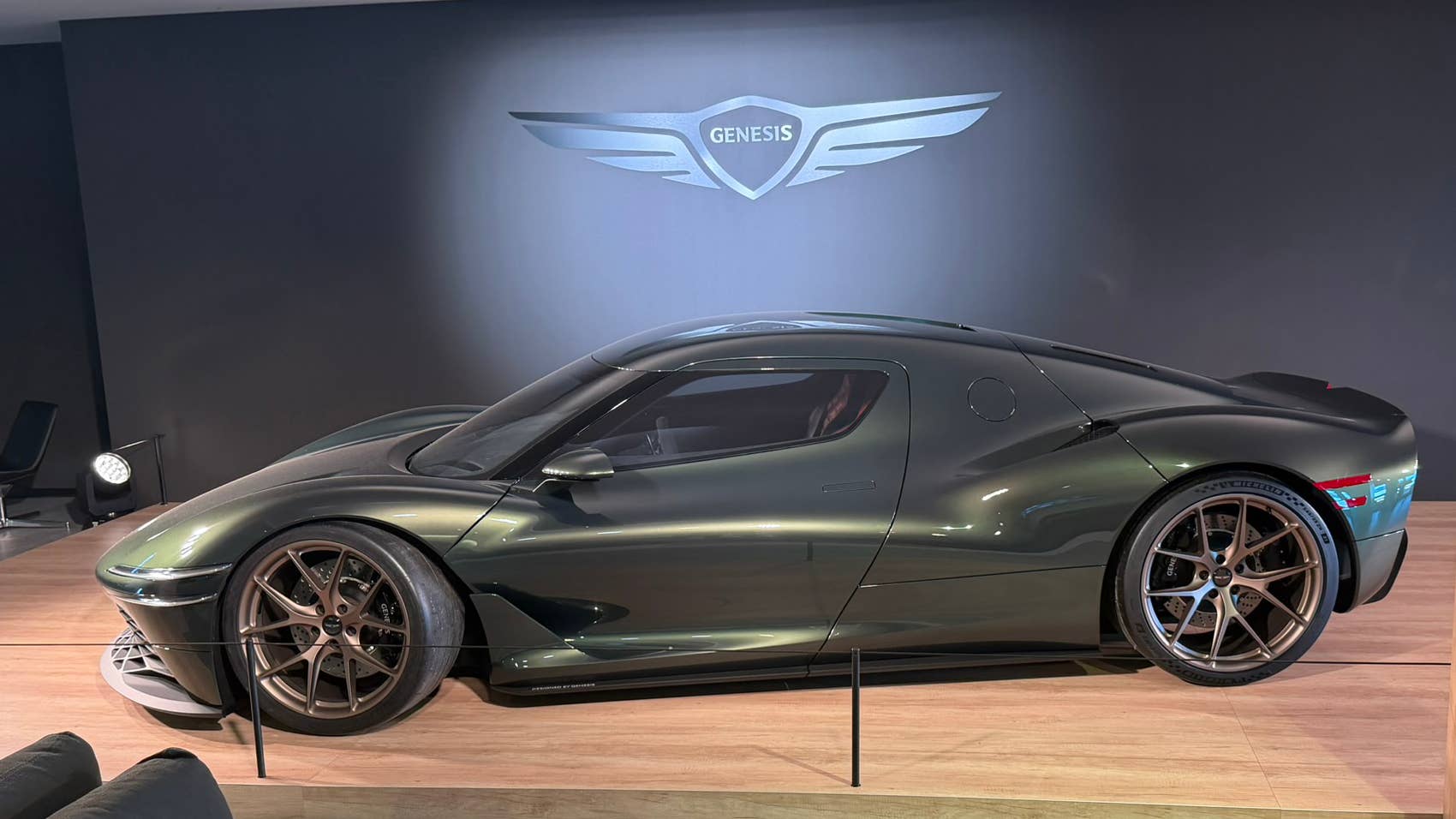
Genesis has also been growing quickly. Muñoz pointed to recent US results as evidence that the brand is building momentum. "Last year we sold 82,000 cars, an all-time record," he said, adding that the US team had delivered "20 months in a row of growth year over year."
That gives Genesis a stronger foundation than most upstart luxury brands ever achieve. But the growth has come while Genesis models consistently undercut German rivals. Buyers know the brand as smart money. Muñoz wants them to think of it differently.
Adam Lynton / Autoblog
Genesis Does Not Want Cheap Volume
Growth is one thing. Profitable growth is another. Muñoz said Genesis has had to be careful about how it builds the brand in America, especially around dealer development, capacity and customer experience. Too much supply, or the wrong retail setup, can quickly push a luxury brand toward discounting.
"To develop the US market, we had to focus on the dealer development concept, the zoning concept, the hospitality, and then ensuring that we have the right capacity to not be discounted but to be rightfully positioned," he said.
Genesis wants demand to support the price, not incentives to create demand. "Everybody can sell," Muñoz said. "But then selling at a profit, that's a little bit more challenging."
Genesis
No Discount Treatment
The clearest statement came when Muñoz was asked how Genesis would position future Magma performance models. He said it is still too early to talk about exact pricing, but he was firm about the brand's direction.
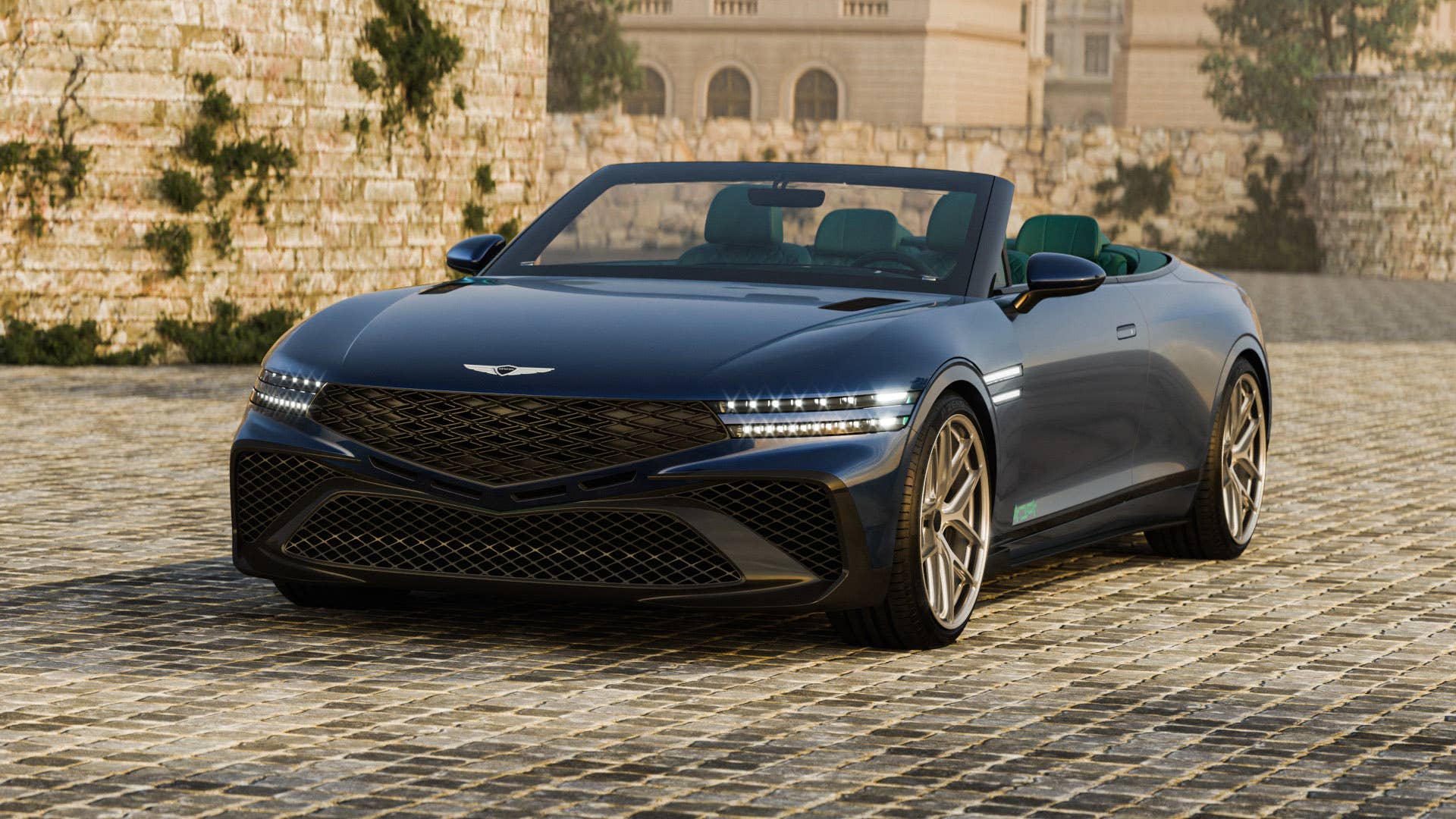
"We definitely want to be competitive," he said. "We don't want to be discounted to anybody, because we put a lot of effort and investments." Muñoz linked that thinking to Genesis' current US position. "If you look at our position in the US market, that's what we want to be," he said. "We are seen as the German three, the direct competitors, and we are there."
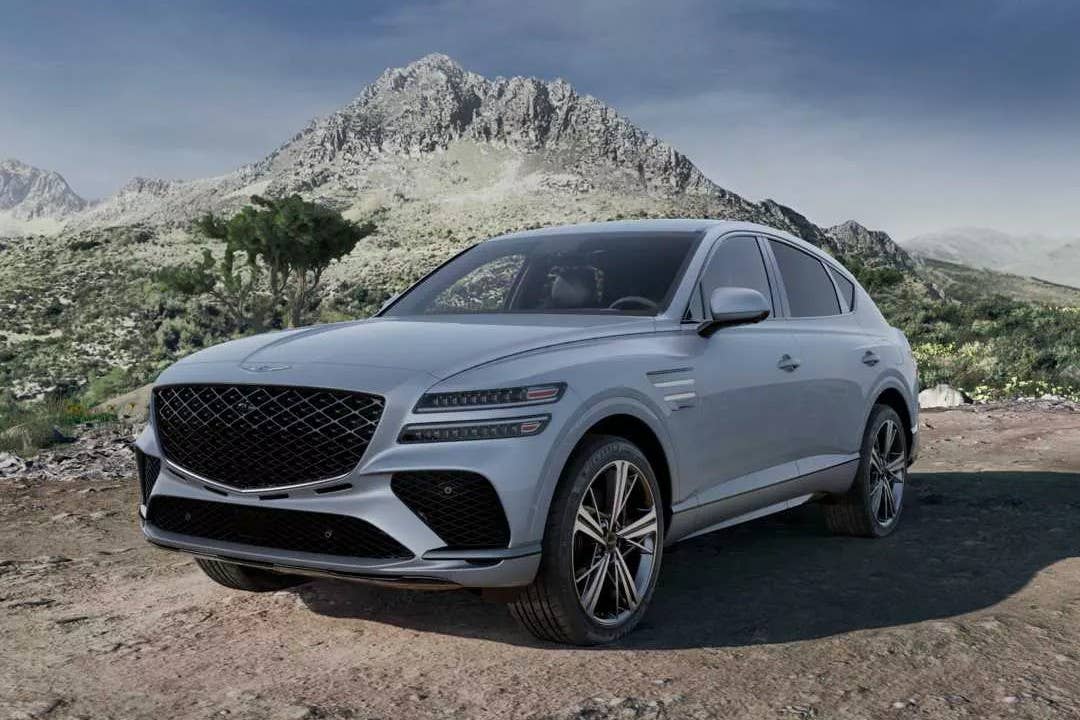
That is the aspiration. Whether Genesis is actually on the same shopping list at the same price points is a different question. Most buyers who cross-shop a GV80 against a BMW X5 still expect to pay less for the Genesis. Changing that perception while holding volume is what no Asian luxury challenger has fully managed since Lexus in the 1990s.
Pricing Power Is The Real Goal
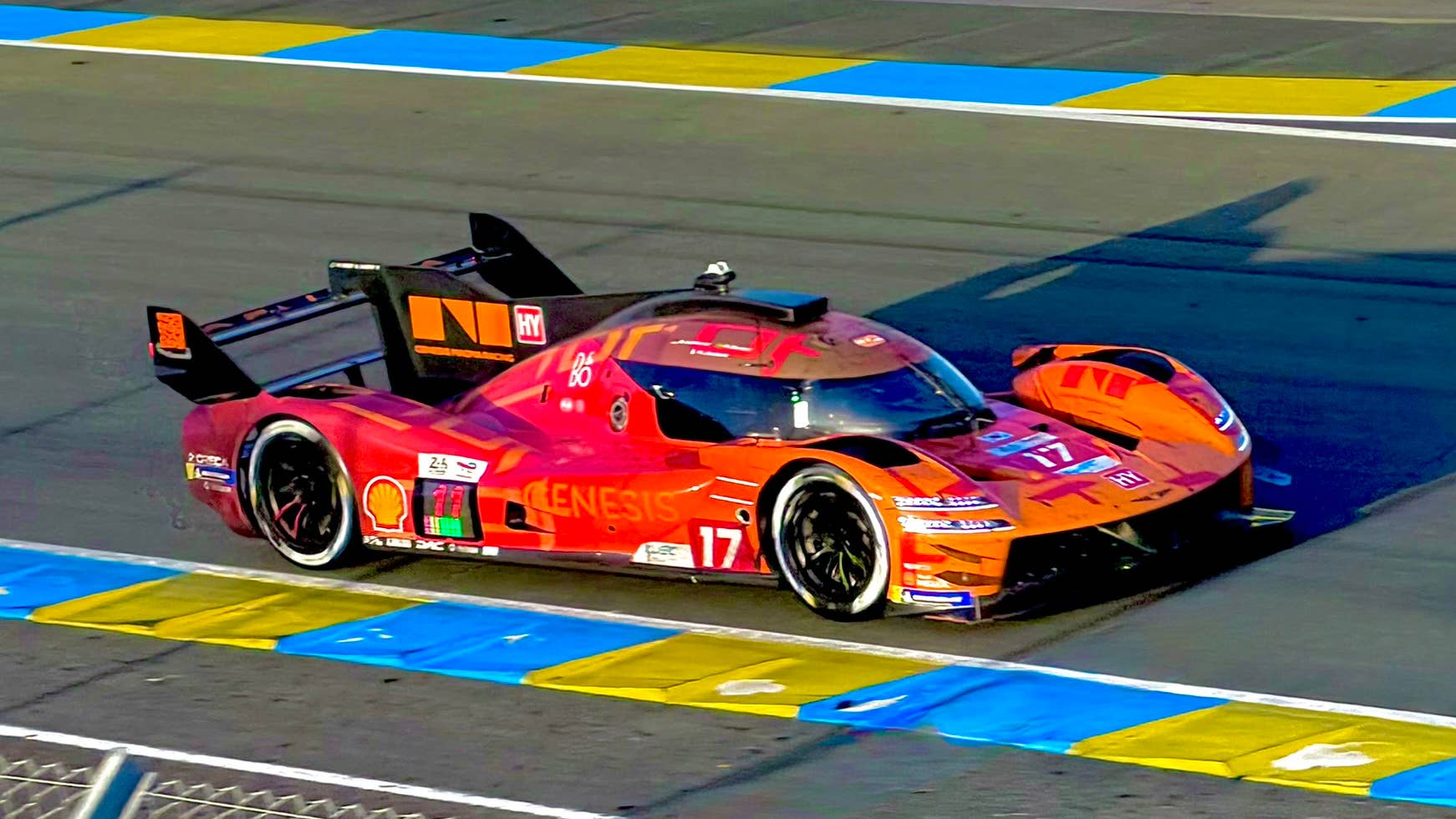
Cyril Abiteboul, President Hyundai Motorsport, said Genesis sees its performance activity as something that can reshape buyer perception across the whole brand.
Adam Lynton / Autoblog
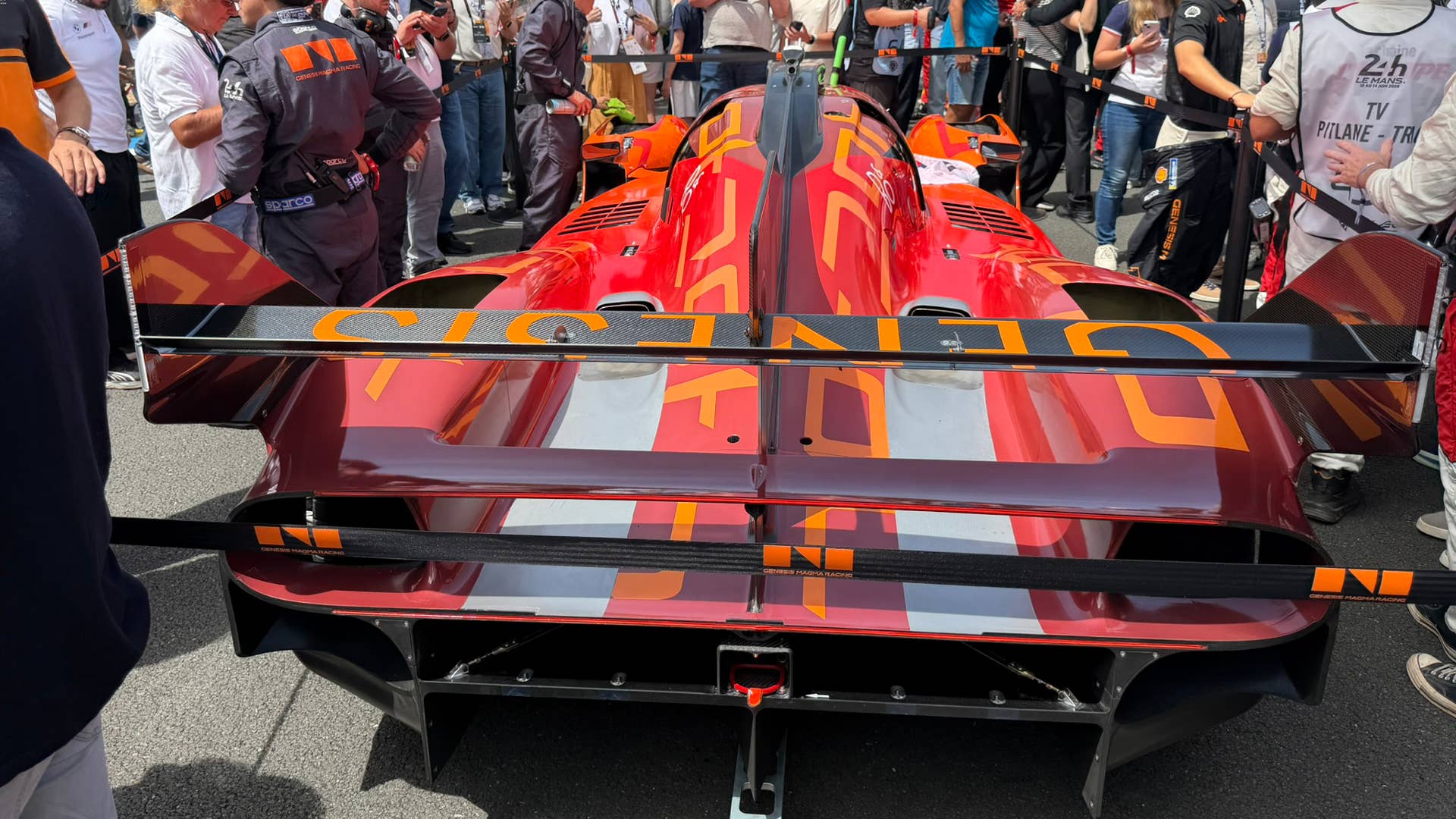
"We believe, and we see from our studies, that motorsport can impact the whole purchasing funnel," he said. "First and foremost, brand awareness, then brand performance, and then ultimately pricing power." That final phrase is the one that matters. Genesis does not only want attention. It wants buyers to believe the brand is worth paying full price for.
Adam Lynton / Autoblog
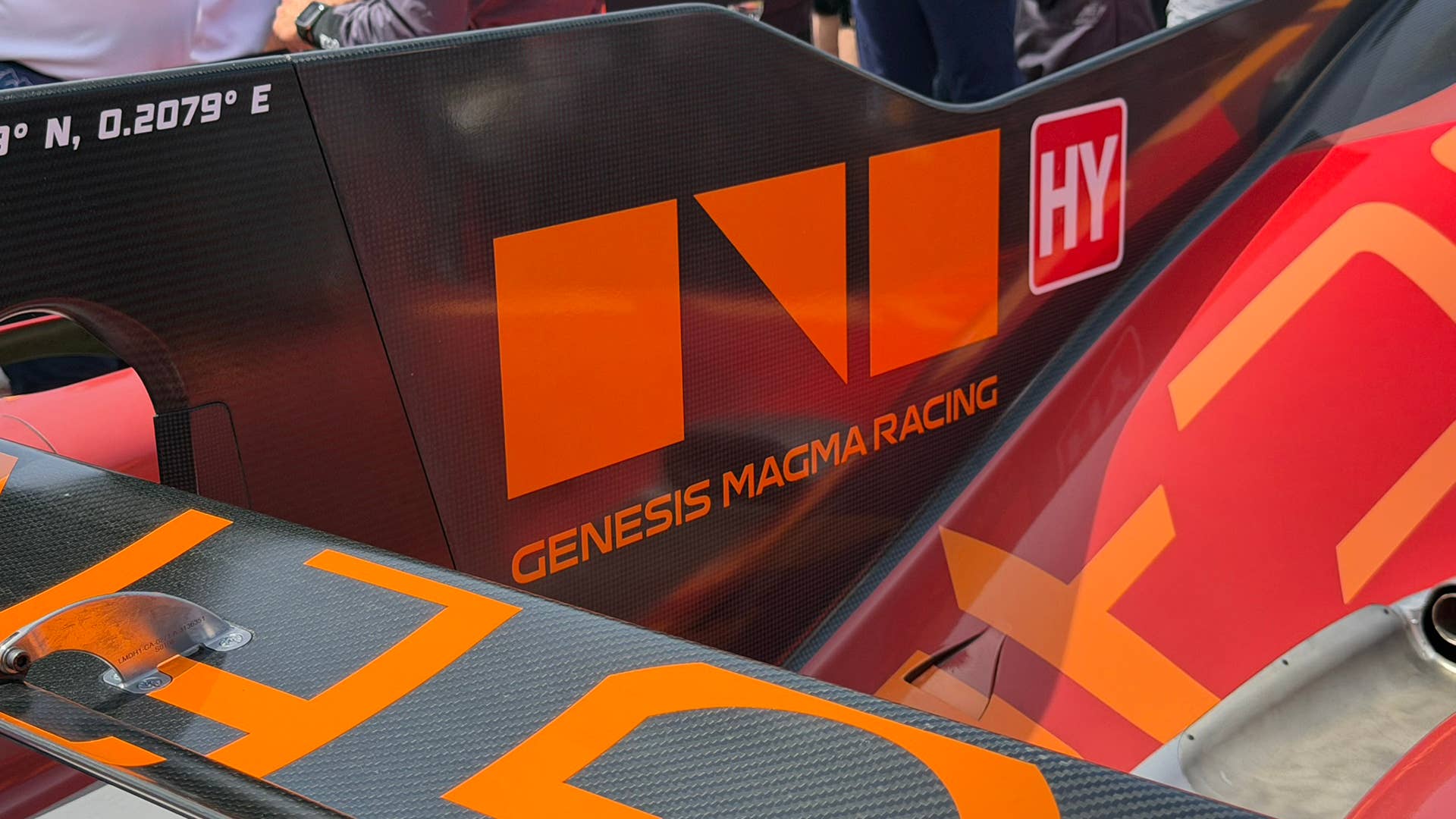
That is harder than it sounds. A Le Mans program, which this year ended with one car finishing in an impressive debut, and a Magma performance line that will hopefully include the Magma GT supercar, can shift brand image at the margins. But pricing power comes from residual values, transaction prices and what happens when a customer walks into a competitor's showroom and has to choose. Genesis has not proven that yet. It has proven it can grow. The next test is whether it can grow without giving anything away.
Related: Genesis’ Stunning Magma GT Supercar Is Now Down To The Numbers
Adam Lynton / Autoblog
Join the conversation
You can post now and register later. If you have an account, sign in now to post with your account.