_811205.png)
_e196d8.png)
_32b3d9.png)
_1c53fe.png)

GM Changes Course on a Key EV Battery Strategy
Battery tech is still the big headache for automakers diving into EVs. It touches everything buyers care about: price tags, range, charging speed, weight, and what it’ll cost you down the road.
That’s why so many brands have fallen for lithium iron phosphate (LFP) batteries lately. They’re cheaper, tougher, and don’t need as many pricey materials as the usual nickel-heavy packs. The catch? Less energy density, so you’re not going as far on a charge.
GM looked ready to join the LFP party, even announcing plans to build these batteries in the US for its next wave of EVs. But now, those plans are changing. GM’s battery boss, Kurt Kelty, just hinted that the company might skip LFPs almost entirely and put its chips on a different battery chemistry it thinks is the real long-term winner.
Adam Lynton/Autoblog
GM Is Betting Bigger on LMR
After a GM battery event in San Francisco, Kelty told Reuters that LFP might never really make it big in GM’s EV lineup.
"There is a possibility where LFP does not earn its way into our portfolio," Kelty told Reuters, describing lithium manganese-rich (LMR) batteries as the future "workhorse" of GM's electric vehicle strategy.
That’s a big pivot from what GM said before. The Tennessee plant will still crank out LFP cells this year, but Kelty says those are headed for stationary energy storage, not cars.
Instead, GM is doubling down on LMR tech, something it’s been cooking up with LG Energy Solution. GM says LMR costs about the same as LFP but packs in around 33% more energy. That could mean big electric trucks and SUVs with real range, minus the wallet-busting nickel-heavy batteries.
Of course, there are still speed bumps. Analysts have flagged battery fade and voltage drop as big hurdles for LMR. GM claims it’s ironed out a lot of those kinks with its own materials and manufacturing tricks, but don’t expect to see these batteries in cars until 2028.

What This Means for GM and the Chevrolet Bolt
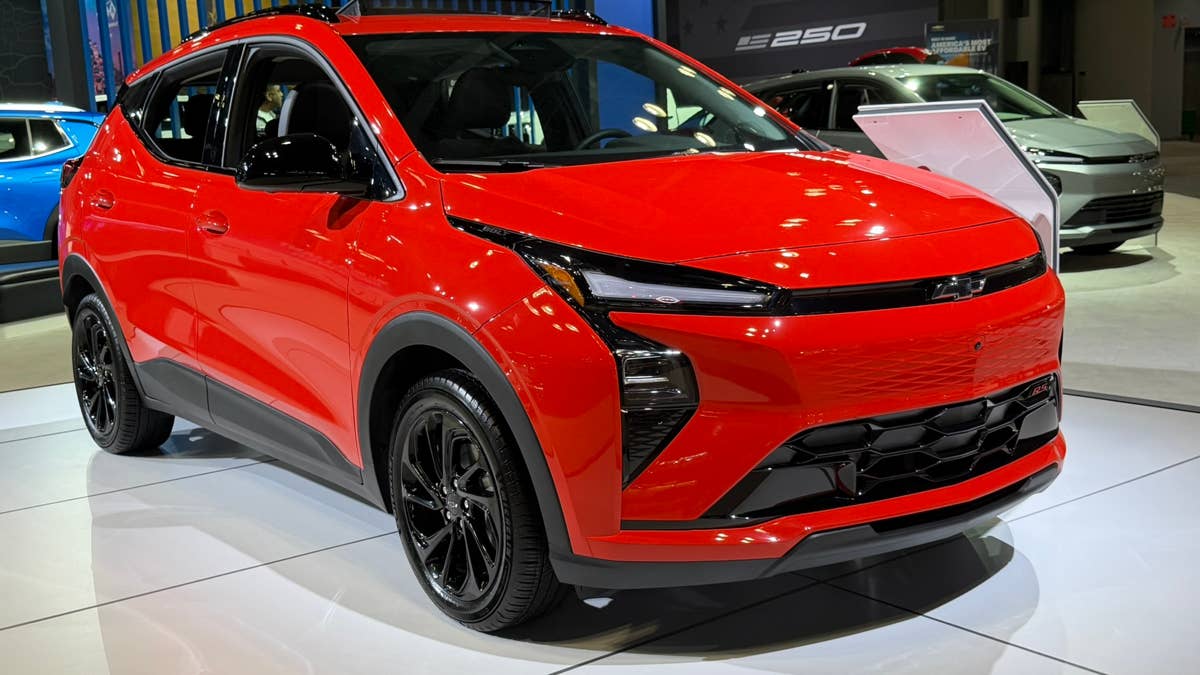
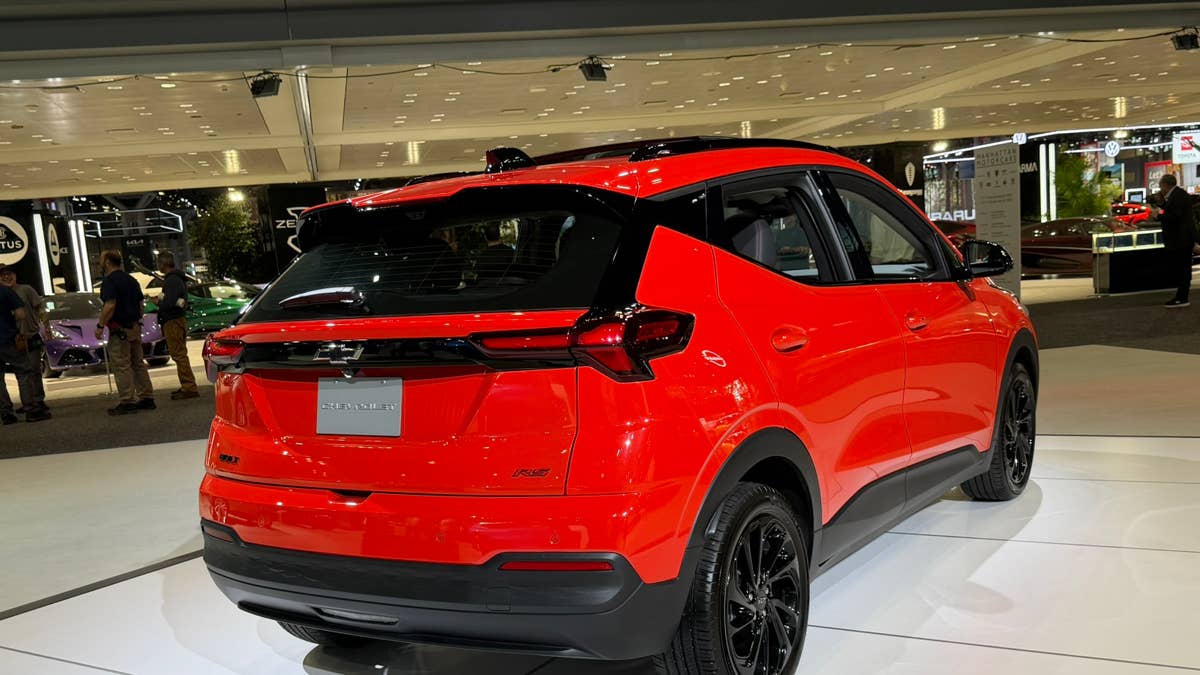
The timing is particularly interesting because GM's most affordable EV already relies on LFP technology. The next-generation Chevrolet Bolt is using LFP cells supplied by Chinese battery giant CATL, making it the lone exception in GM's current battery strategy. While the company hasn't indicated any immediate changes for the Bolt, Kelty's comments raise questions about how long LFP will remain part of GM's passenger vehicle plans.
Meanwhile, GM is stretching its battery lineup beyond just cars. It’s teaming up with Peak Energy to develop sodium-ion batteries for large-scale energy storage projects. These aren’t going into vehicles – energy density is too low – but GM thinks they could help cut costs for grid storage.
For now, GM is zigging while Tesla, Ford, and Rivian zag, all betting on LFP to keep prices down. If LMR lives up to the hype, GM’s gamble could pay off big – or leave it playing catch-up.
Adam Lynton/Autoblog
Join the conversation
You can post now and register later. If you have an account, sign in now to post with your account.