_811205.png)
_e196d8.png)
_32b3d9.png)
_1c53fe.png)

Getting into a fender bender on an American highway is stressful enough without the ensuing roadside shuffle for insurance cards. General Motors is looking to eliminate that awkward, potentially dangerous curbside exchange entirely, offloading the paperwork to the vehicles themselves. According to a recently published patent application—US 12,657,968 B2—filed by GM Global Technology Operations LLC and published in June 2026, the Detroit automaker is actively developing a vehicle-to-vehicle (V2V) communication network designed to automatically swap encrypted collision reports between involved cars.
How It Would Work
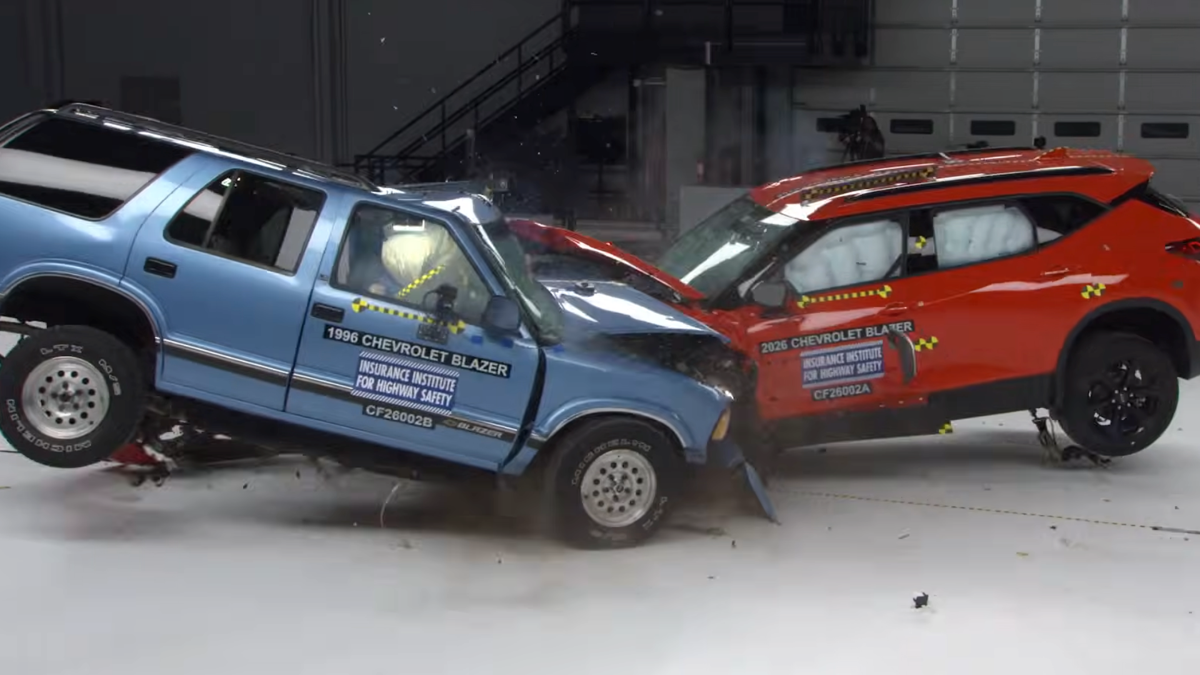
The underlying mechanics rely heavily on the advanced driver-assistance systems (ADAS) hardware already baked into modern vehicles. Utilizing an array of onboard sensors, including LiDAR, radar, and cameras, the system actively monitors the vehicle's perimeter. If a crash occurs, a specialized collision detection module is triggered. Instead of merely logging the impact for a black box, the system uses advanced image processing to visually identify the other vehicle's make, model, and color.
YouTube/IIHS
Once the vehicle confirms a collision, it broadcasts a localized digital signal. If the matching vehicle returns a corresponding signal, the two cars execute a secure handshake. Without the drivers ever needing to step onto the shoulder, the vehicles exchange encrypted digital reports containing driver license details, vehicle registration, and insurance information.
What It Means For Americans
Integrating this level of automated data transfer raises immediate privacy red flags. Storing highly sensitive personal information—and programming a vehicle to transmit it on a hair-trigger during a high-stress event—will inevitably draw scrutiny. Cybersecurity experts and privacy advocates will likely question the system's vulnerability to hacking, data extraction, or exploitation by insurance scam artists utilizing staged brake-checks.
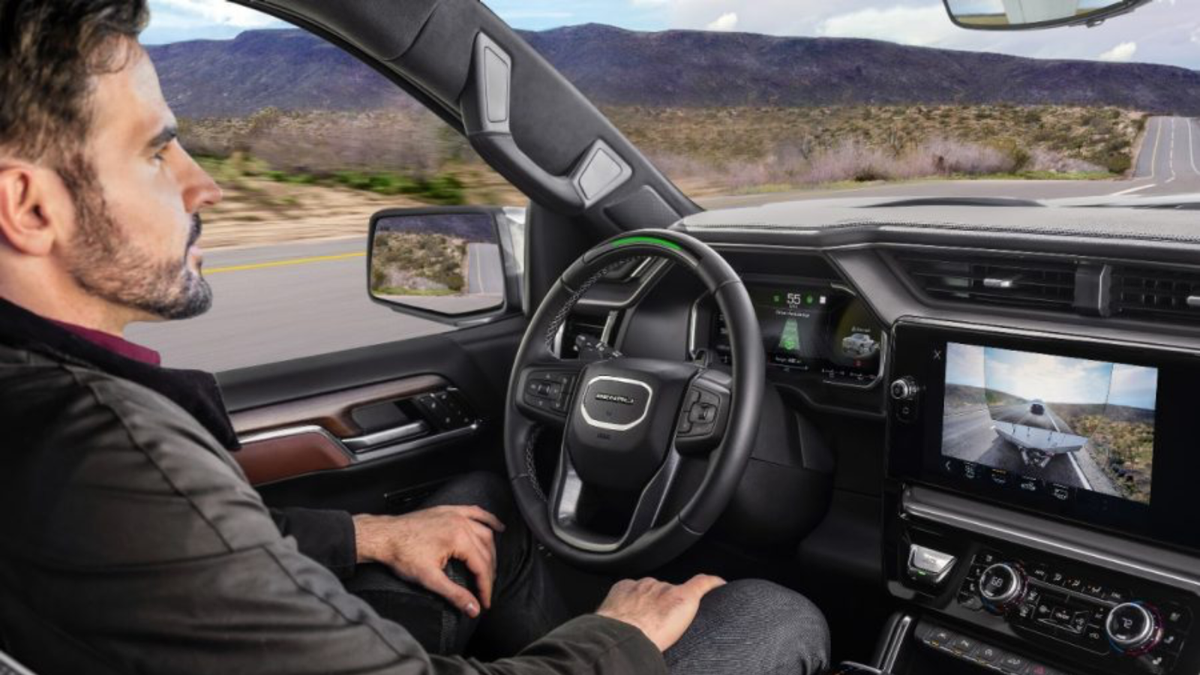
While a USPTO filing doesn't guarantee this automated reporting system will hit showroom floors next year, it points to a clear industry trajectory. The days of hunting through the glovebox for a crumpled insurance card may soon be replaced by a localized digital data drop.
Join the conversation
You can post now and register later. If you have an account, sign in now to post with your account.