_811205.png)
_e196d8.png)
_32b3d9.png)
_1c53fe.png)

Your favorite VW Group brand could look very different by 2030
The full extent of the Volkswagen Group’s restructure have become clearer over the last few weeks. Late in June, a report said VW was set to cut up to 100,000 jobs and would close four factories as competition from Chinese brands intensifies. What was less obvious is how these potential cutbacks would affect the company’s model range. We now have the answer, as the executive board of the VW Group has presented its future plan this week. Part of that plan includes slashing its model lineup by up to 50%, a move that’s sure to have a considerable impact on brands like Audi, Porsche, and of course, VW itself.
Dramatically Streamlined VW Group On The Way
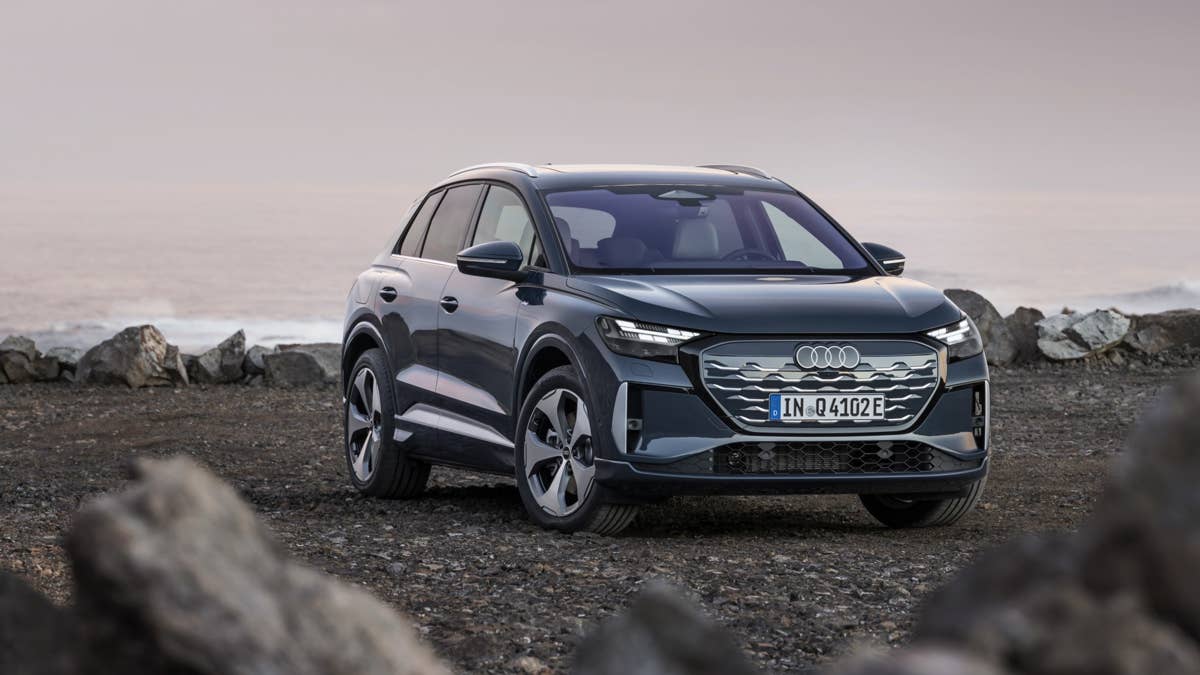
2027 Audi Q4 e-tron
Audi
Restructuring of the VW Group has been underway over the last three years, but this latest plan is the most eye-opening yet. A realignment was necessary as Chinese brands continue eating into the company’s market share in Europe, Asia, and other key regions.
To counter these developments, the automaker will streamline its model lineup by up to 50% and reduce the offering complexity by as much as 75%. In other words, we should anticipate far fewer variations of individual models. Instead, the company will focus only on the “most attractive market segments.” Ultimately, the goal is to become more resilient and efficient by 2030.
“Our goal is clear: by 2030, we will make the Volkswagen Group the most attractive automotive company in the world – with iconic brands, inspiring products, leading technologies, robust financial results, reliable capital market performance and a team spirit in action,” said Oliver Blume, CEO of the Volkswagen Group.
Blume further promised “less complexity” and “focused technologies.”
A refocused effort for the company’s manufacturing plants will aim to produce 9 million vehicles on an annual basis.
Which Models Are Under Threat?
Audi
The official statement from the automaker didn’t say which models would be cut across its various brands, nor did it divulge when the cuts would start happening. In the United States specifically, the VW Group will be unlikely to step away from lucrative crossovers like the Volkswagen Atlas, Porsche Cayenne, and Audi Q5. These models continue to find favor in this region and return decent profits, as they carry generally higher price tags.
Kyle Edward
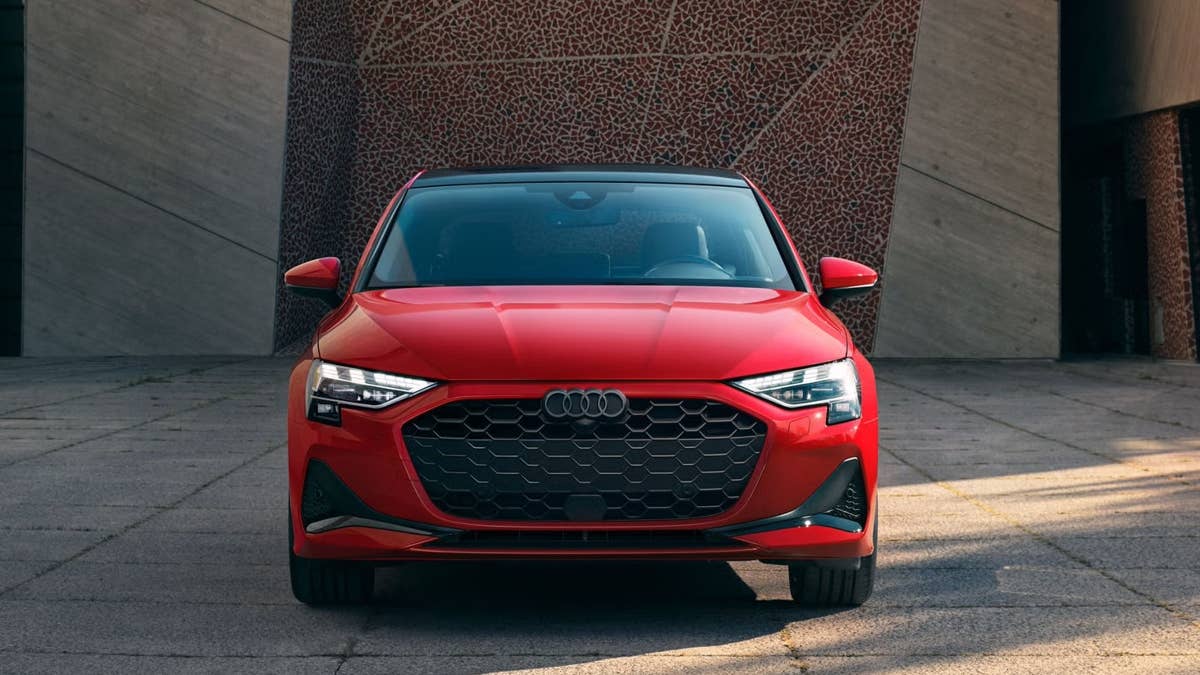
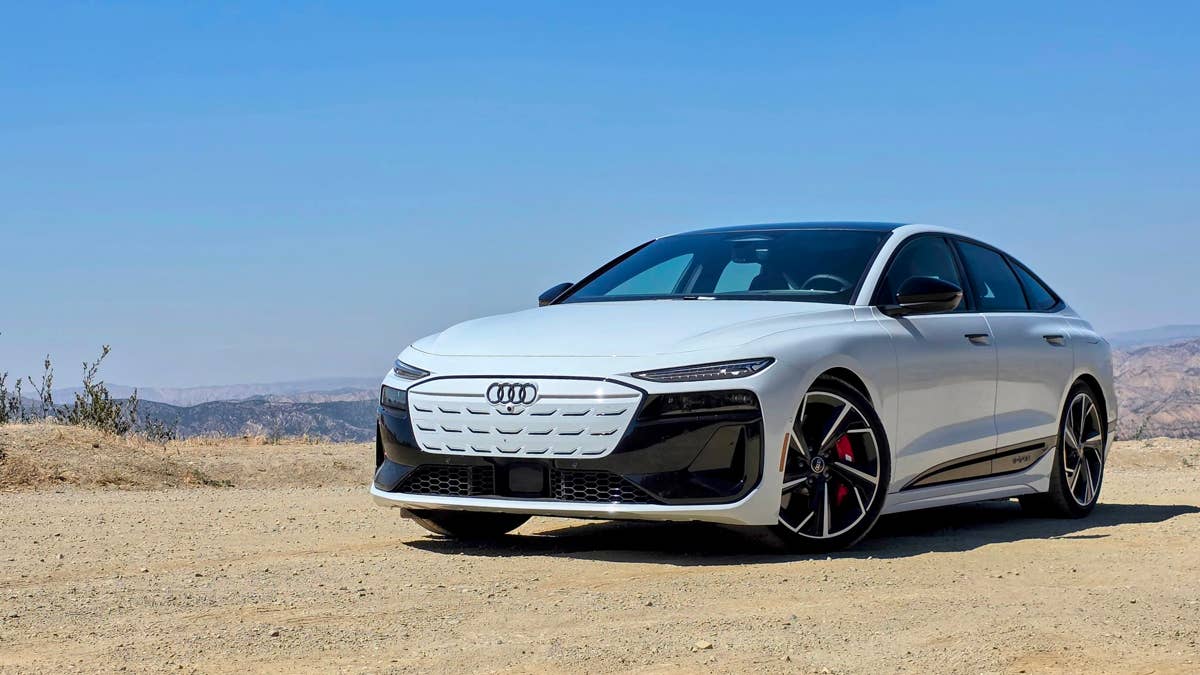
What we could see is a significant downsizing of the Group’s slow-selling and less profitable EVs. The VW ID.Buzz and most of Audi’s EV range will be at risk, as these models have sold poorly. Cheaper models like the Audi A3 and VW’s remaining Golfs could be at risk, along with niche models like the Audi A7 and A6 Sportback e-tron. Porsche’s iconic 911 will survive the transition, but the future of the Panamera and Taycan are suddenly less certain.
High-end brands like Bentley and Lamborghini are likely to be most affected by the reduction in configurations rather than models. However, extensive customization is part of the ultra-high-end experience, so it remains to be seen how these particular brands wll be impacted.
Related: Porsche Wants To Build Fewer Cars And Make More Money
What It Means
Chase Bierenkoven
The VW Group’s extensive restructuring plan is the clearest sign yet of just how deeply Chinese automakers are influencing the global automotive industry. When one of the world’s largest carmakers plans to cut 50% of its model lineup in an effort to halt collapsing profits, something has fundamentally shifted.
Fans of brands under the VW Group’s umbrella will need to get accustomed to fewer overlapping models, less scope for customization, and the potential departure of iconic models that no longer make for a strong business case.
Related: Volkswagen Reportedly Pulls The Plug On €1.5 Billion Self-Driving Project
Join the conversation
You can post now and register later. If you have an account, sign in now to post with your account.