_811205.png)
_e196d8.png)
_32b3d9.png)
_1c53fe.png)

Another Major Safety Campaign
After recalling nearly 900,000 vehicles just days ago over a suspension-related issue, Honda is back in the spotlight with another major safety campaign. This time, the automaker is recalling more than one million vehicles in the US due to a defect involving the tire repair kits supplied with several popular models.
This latest recall covers several Honda hybrids and fuel-cell EVs. Honda and its supplier spent years chasing down complaints and odd incidents before landing on the culprit. The problem doesn’t mess with how the car drives, but regulators say it’s still risky enough that owners shouldn’t brush it off.
Honda
A Small Component Leads to a Massive Recall
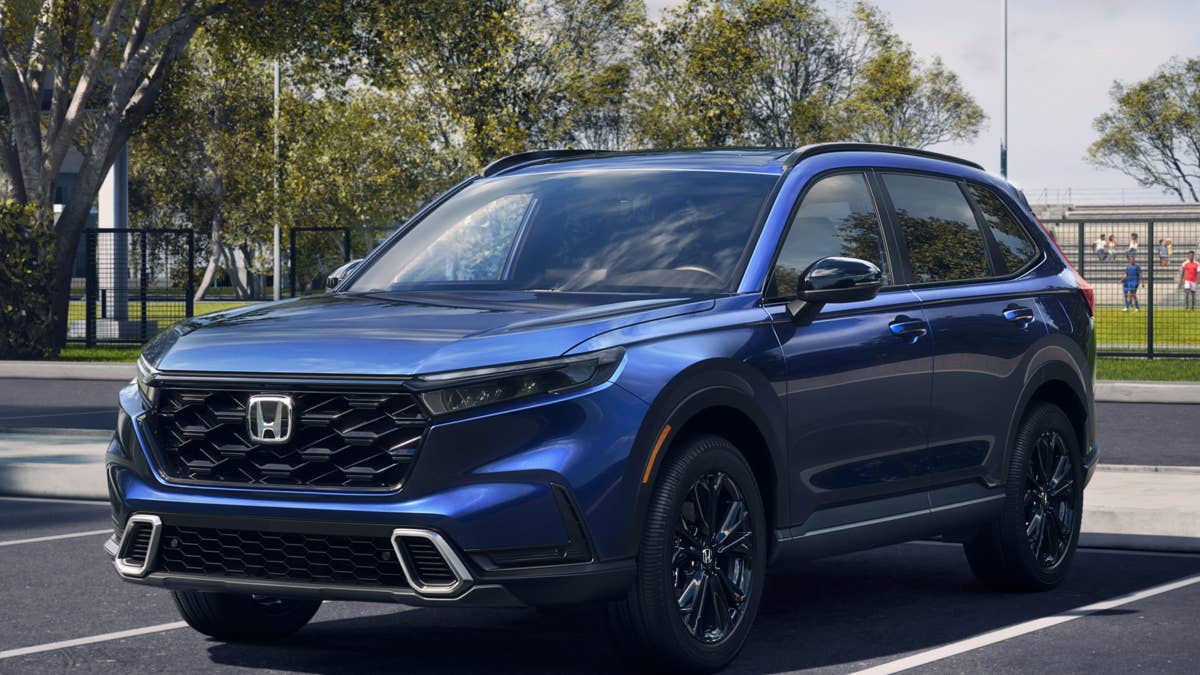
The numbers are big – 1,049,883 cars, according to the NHTSA. The recall hits the 2023-2026 CR-V Hybrid, 2023-2026 Accord Hybrid, and the 2025-2026 CR-V Fuel Cell EV. Most of the trouble is with the CR-V Hybrid (744,530 of them), then 305,013 Accord Hybrids, and just 340 CR-V Fuel Cell EVs.
The culprit? The tire repair kit stashed in these cars. If you don’t connect the kit’s nozzle just right to the tire valve, pressure can build up inside the sealant bottle. Normally, a relief valve is supposed to let off steam, but some of these valves aren’t doing their job. That means pressure keeps climbing until the bottle cap pops right off.
According to the recall report, engineers did not fully account for pressure buildup due to improper use, resulting in the inclusion of a fluid leak-prevention valve that was ultimately unnecessary. The company also found that certain relief valves were incorrectly adjusted during the supplier's manufacturing process.
Honda received its first report three years ago. Initially, the supplier believed customer misuse was responsible. However, after additional complaints and an injury incident were reported, Honda dug deeper. By March of this year, Honda identified a potential problem with the repair kit's relief valve and ultimately determined that a safety defect existed.

Honda
What Owners Should Do Next
As of May 28, 2026, Honda had recorded 53 warranty claims and eight injury reports linked to the issue, though no deaths have been reported.
For the remedy, dealers will replace either the tire repair kit nozzle or the sealant bottle, depending on the vehicle and repair requirements. The updated components remove the one-way valve that contributed to the issue.
Dealers have been notified at this point, while owners are expected to be contacted by next month. Meanwhile, owners of affected CR-V Hybrid, Accord Hybrid, and CR-V Fuel Cell EV models may want to familiarize themselves with the recall details and monitor Honda's recall lookup tools once VIN information becomes available. They may also want to refrain from using the tire repair kit if necessary.

Join the conversation
You can post now and register later. If you have an account, sign in now to post with your account.