_811205.png)
_e196d8.png)
_32b3d9.png)
_1c53fe.png)

Many buyers take into account safety ratings when purchasing a new vehicle, but it’s not always easy to quantify how valuable modern safety tests are. Does a better on-paper safety score truly translate into benefits in the real world? Well, a new study released by the Insurance Institute for Highway Safety (IIHS) casts a new light on the merits of vehicle safety tests. Thanks to vehicle improvements motivated by the IIHS, the study finds that thousands of lives and billions of dollars have been saved since the testing program’s introduction in 1995.
Related: Toyota Corolla Vs. Mazda 3 Vs. Honda Civic: Which Is Safest?
Nearly 50,000 Lives Saved
IIHS/YouTube
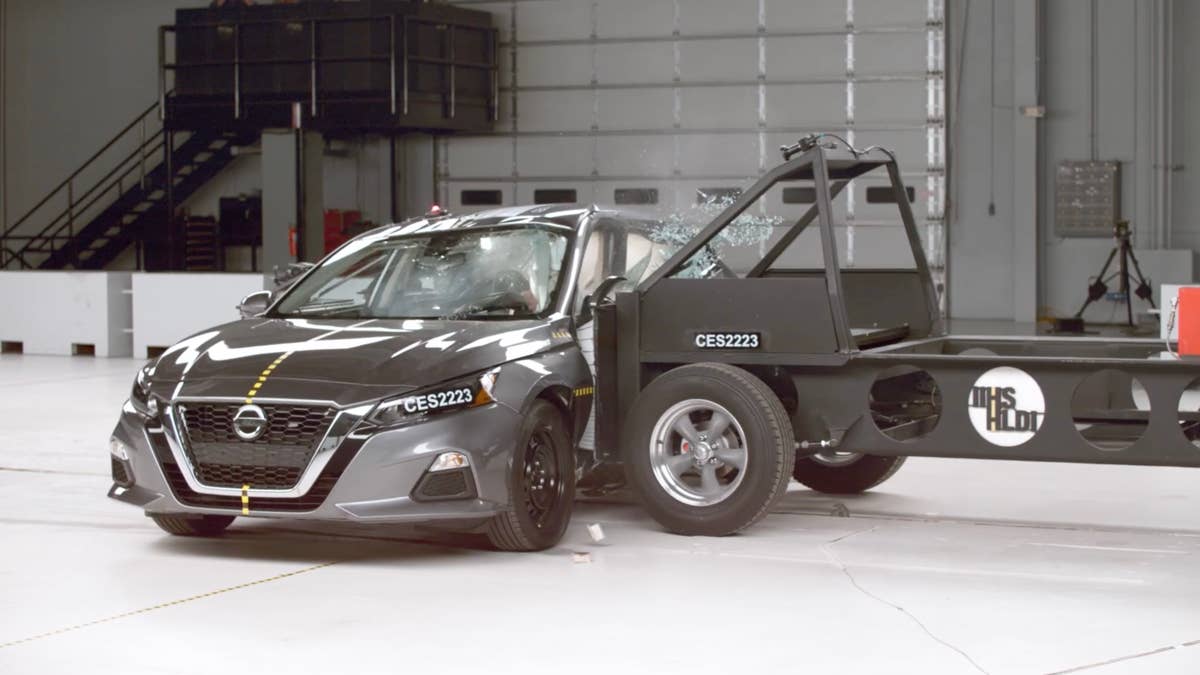
Having recently celebrated the 30th anniversary of its testing program, the IIHS team wanted to dig deeper into how its safety recommendations have made motorists safer. In the study, it found that improvements made to vehicles through the years saved an estimated 48,352 lives between 1999 and 2024. That amounts to cost savings of over $500 billion for society.
“These results highlight the role of IIHS ratings in driving many of the key vehicle safety improvements of the past 30 years,” said Joe Nolan, IIHS chief operating officer. “Our ratings program, in turn, has only been possible because of the unwavering support of our member companies in funding our work.”
IIHS/YouTube
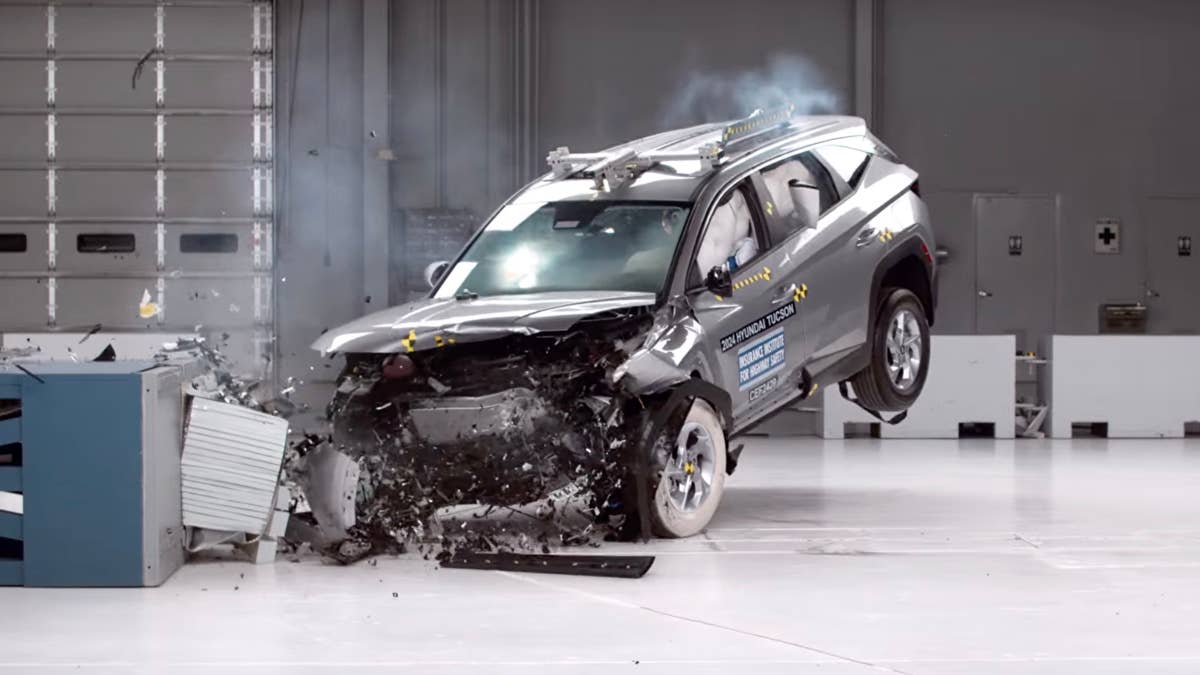
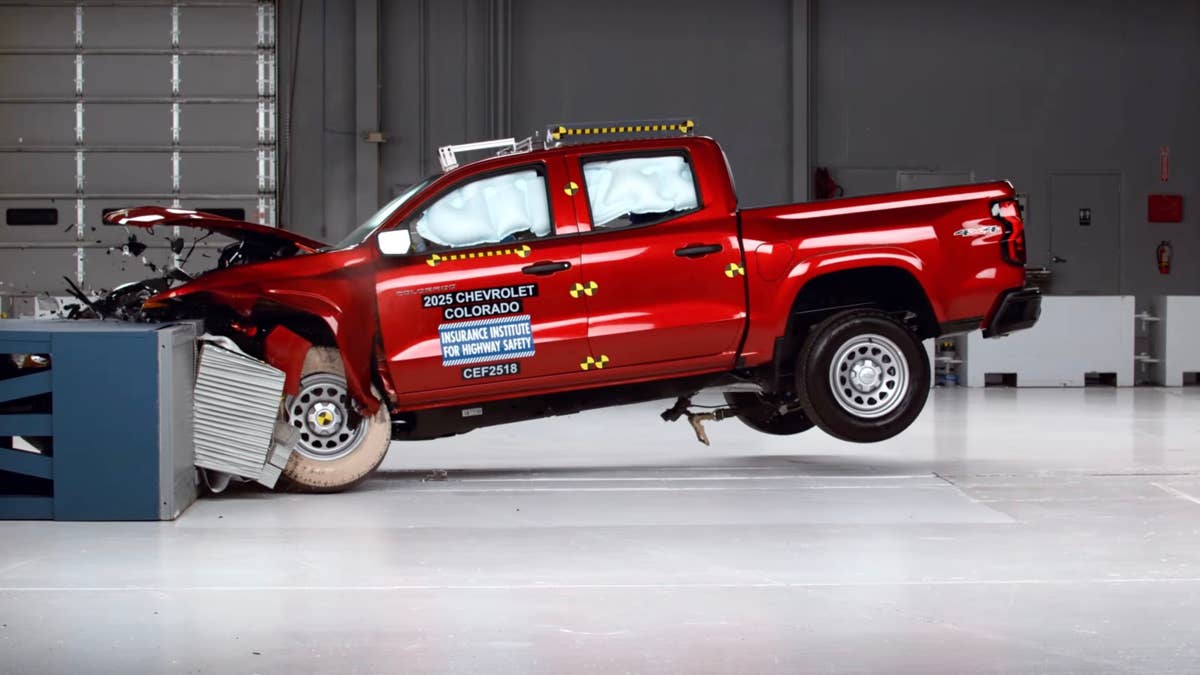
To arrive at the estimated figure of 48,352 lives saved, IIHS researchers looked at five different crashworthiness evaluations: moderate overlap front, driver-side small overlap front, passenger-side small overlap front/side crash tests, and roof strength. Some of these tests have been discontinued or updated through the years, but the original versions of the tests were used for the calculations.
By looking at real-world fatality rates for vehicles rated as Good versus those rated as Acceptable, Marginal, or Poor, researchers worked out the number of potential fatalities that would have occurred if the percentage of vehicles rated as Good had not increased.
Most of the estimated saved lives came from improvements in the moderate overlap test, which represents an offset crash between two identical vehicles, both moving at a speed of nearly 40 mph.
Related: Mazda And Hyundai Dominate The Safest New Cars For Teen Drivers
Why It Matters
IIHS/YouTube
While it’s easy to take a set of perfect safety scores for granted, the IIHS study proves that all the hard work has not been for nothing. By optimizing its tests over the last three decades and putting pressure on manufacturers to build safer cars—while democratizing potentially life-saving technologies—there are now very few new vehicles that deliver anything below an adequate level of crash safety. And, while buyers of entry-level vehicles were often blocked from accessing features like blind-spot monitoring and automatic emergency braking, that’s now no longer the case.
Safety authorities like the IIHS and Consumer Reports are not standing still, either. Newer, tougher tests are continuously being devised, and are now evolving to measure interior usability and driver distraction.
30 years from now, new cars may have taken another quantum leap forward in keeping us safe.
Related: America's Biggest Pickups Just Got Their First IIHS Safety Check, And Some Failed
Join the conversation
You can post now and register later. If you have an account, sign in now to post with your account.