_811205.png)
_e196d8.png)
_32b3d9.png)
_1c53fe.png)

More Than Just The Urus
Despite its polarizing reception, it is undeniable that the Lamborghini Urus has done wonders for the Italian supercar brand, especially since the performance SUV has become its best-selling model. The Urus is Lamborghini's answer to the growing demand for crossovers and SUVs, a trend that has also led to the creation of unprecedented models from legacy brands such as the Aston Martin DBX and Ferrari Purosangue.
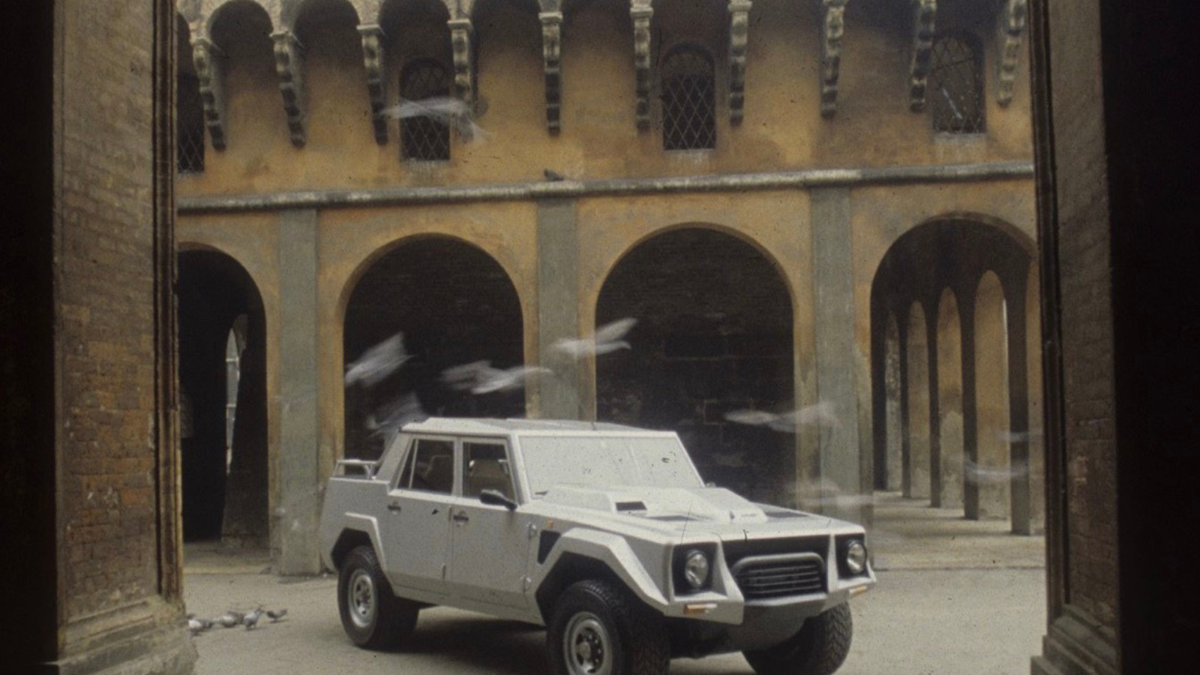
Contrary to what some may believe, however, the Urus is not Lamborghini's first production SUV. That title belongs to the LM002, which was unveiled in 1986. As such, the automaker is celebrating the LM002's 40th anniversary, a model the Urus concept openly referenced when it was unveiled in 2012.
The Road To The LM002
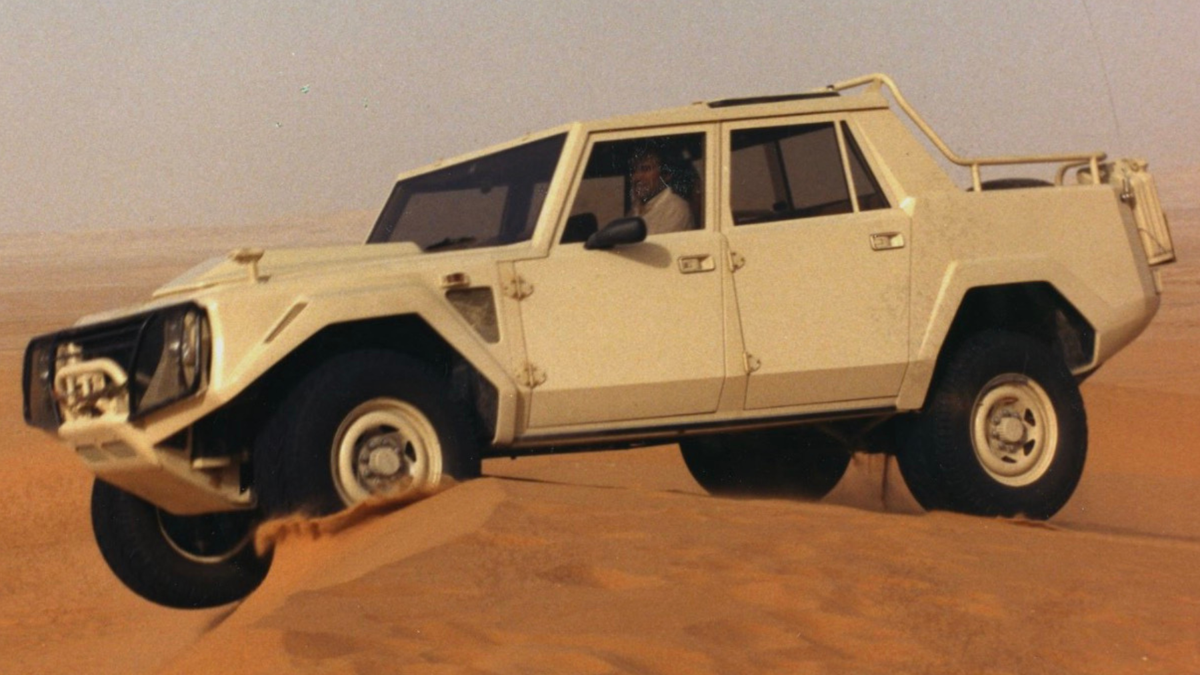
Before the LM002, Lamborghini experimented with several SUV prototypes that were very different from the brand’s popular nameplates at the time, including the Miura and Countach. The project, which aimed to attract interest from the United States armed forces and Middle Eastern markets, started with the Cheetah in the late 1970s and continued with the LM001 in the early 1980s.
After facing challenges such as packaging a rear-mid-engine layout for off-road use, Lamborghini eventually moved the engine to the front and developed more experimental prototypes. These included the LM003, which explored diesel power with a five-cylinder turbo-diesel engine, and the LM004, powered by a massive 7.0-liter L804 V12 that was later deemed too heavy and raised reliability concerns.
The LM002 was unveiled at the 1986 Brussels Motor Show and remained in production until 1992. Underpinned by a reinforced tubular steel chassis, it was powered by the Countach Quattrovalvole V12, producing around 450 CV (444 horsepower). The engine was paired with a 5-speed ZF manual gearbox, selectable all-wheel drive, and three self-locking differentials. An electronically fuel-injected version was later introduced in 1989 and certified for the U.S. market.
Other notable features included a top speed of more than 200 km/h (124 mph) despite weighing over 2,700 kg (5,952 lbs), specially developed Pirelli Scorpion BK tires, premium leather upholstery with fine wood trim, air conditioning, a high-fidelity sound system, and even an optional television set.
The Spirit Of The LM002 Endures
In 1987, the LM002 was priced at approximately 169 million Italian lire, or about $120,000. Today, its value has appreciated significantly, with some examples selling for around $400,000 or more, depending on their condition, mileage, and provenance.
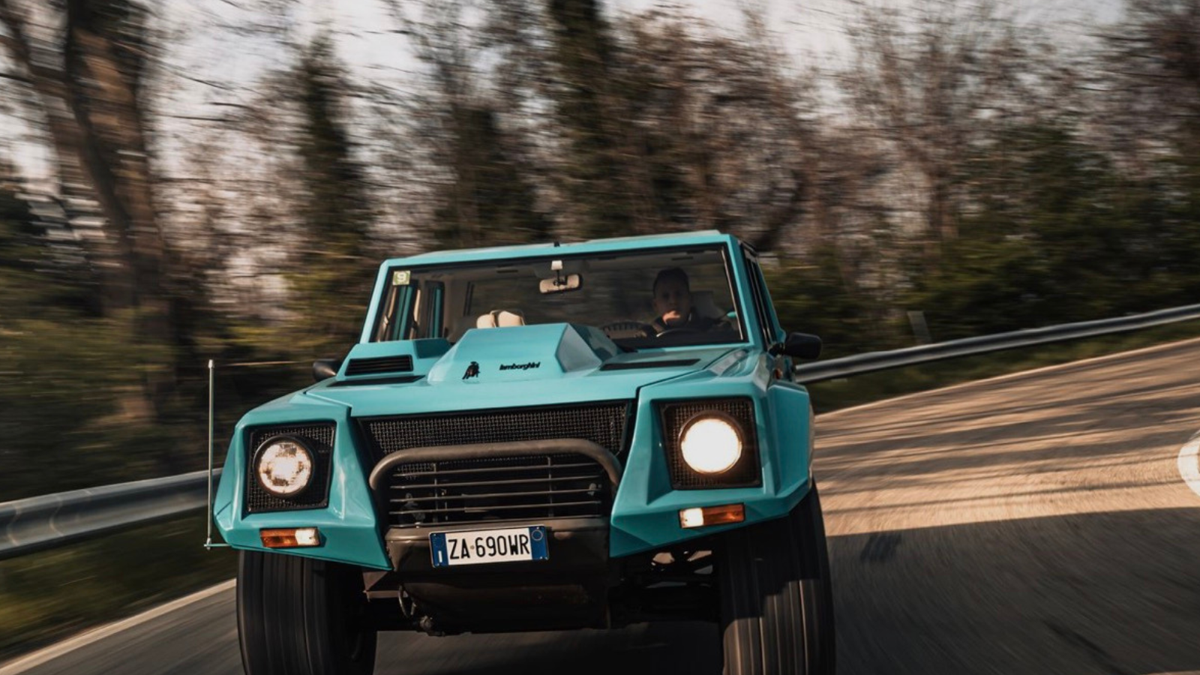
As Lamborghini celebrates the LM002's 40th anniversary, the brand's history and the market's growing demand for off-road-inspired models make it easy to imagine future models channeling its spirit. The Huracán Sterrato already did, and the succeeding Temerario could eventually follow a similar path.
Join the conversation
You can post now and register later. If you have an account, sign in now to post with your account.