_811205.png)
_e196d8.png)
_32b3d9.png)
_1c53fe.png)

The (No) Privacy Policy
This isn't the first time a privacy breach lawsuit involved a parking lot and surveillance cameras. Perhaps your next trip to Home Depot might leave you a little exposed, or perhaps a simple mall crawl could lead to someone "threatening" you with parking violation notices.
That's the case here with yet another proposed class action lawsuit, reported by Classaction.org. It alleges that Premium Parking Service and Municipal Parking Services (MPS) are secretly using a license plate recognition system that allows GovCIO, LLC to illegally obtain car owners' names and addresses from vehicle license plates.
Driver's Privacy Protection Act (DPPA)
According to the lawsuit, Premium Parking Service, Municipal Parking Services, GovCIO, and LOB, Inc. are colluding to acquire, use, and disclose driver information to send letters demanding payments above the initial parking costs.
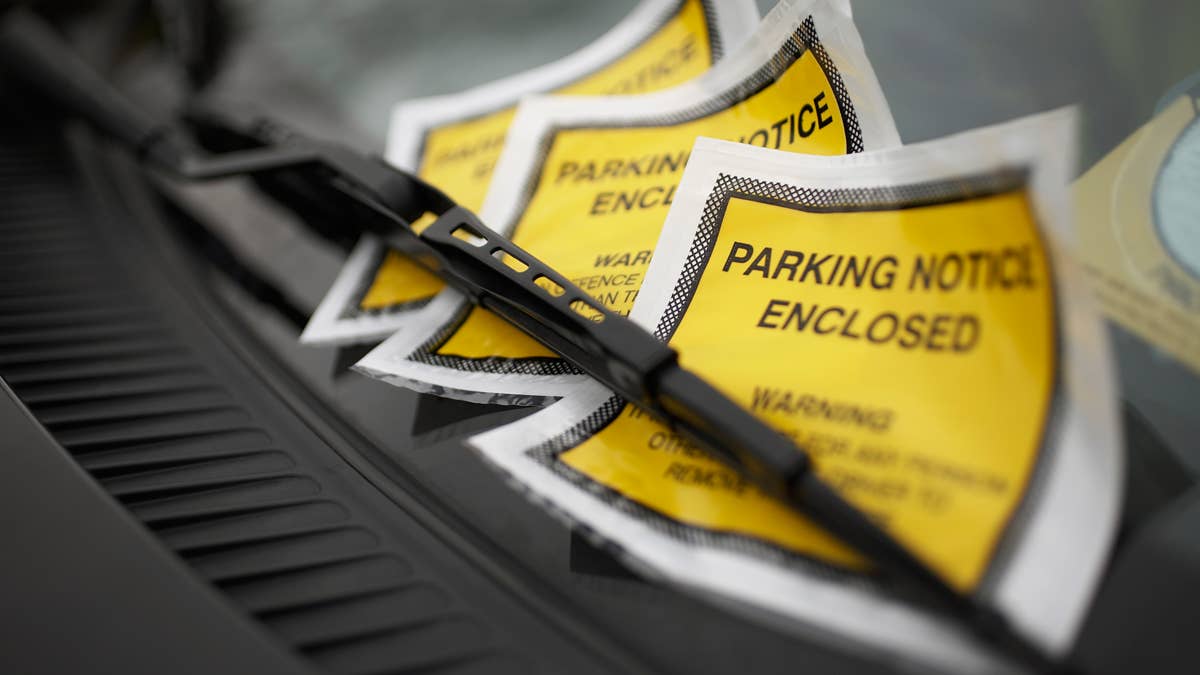
In addition to the parking tickets, the lawsuit claims that customers have received threats to have their vehicles booted or towed if payment is not made. In addition to those threats, the plaintiff notes that the parking service providers would threaten to involve debt collection agencies if drivers don't pay the fines and fees.
Essentially, this is straight-up extortion, stemming from a data privacy breach. The defendants are intimidating customers to give them money through threats and unfounded accusations. According to the lawsuit: "Defendants each willfully and recklessly disregarded the privacy protections afforded by the DPPA to harass, threaten, and intimidate Plaintiffs and Class members into paying inflated amounts of money for trivial alleged parking violations."

Getty Images
How it Works
According to the lawsuit, Premium Parking Service contracted MPS for its license plate recognition technology, which uses license plates as key identifiers to track and charge customers. The automated system not only stores license plate data but also tracks how long a vehicle is parked.
With this system, it seems like it's pretty straightforward when everything goes well, and if it doesn't. When the system detects that a driver failed to pay their parking fee, it flags the license plate and transmits it to GovCIO, which then sends a DMV Lookup search to data brokers. The data ends up in the hands of these brokers, who then use it to obtain non-public motor vehicle records.
Information such as operator permits, vehicle titles, registrations, or identity documents is used to secure the names and addresses of unsuspecting customers. Once the information is in the wrong hands, it's sent to LOB, Inc., a third-party mailing service that allegedly sends surprise tickets, citations, invoices, or late notices.
The notices would urge these drivers to pay on time, or else they would incur additional penalties and fees, which would equate to double or even quadruple the amount of the unpaid parking fee.

Doesn't Look Like a Pay Parking Lot...
Logic would dictate that if there were boom arms, attendants, or walls and markings, it would indicate that a corresponding fee is in order if you park there. However, according to the plaintiff, the parking lots operated by MPS are poorly marked and contain no entrance gates or physical barriers. There were signs, but according to the plaintiff, they were "sporadically" posted along the edges of the parking lot, not in plain view.
The drivers who park there are caught unaware that someone is watching their every move and logging their data, only to extort them later. This class-action lawsuit seeks to cover all individuals in the United States whose names and addresses were obtained from state motor vehicle records and then misused or disclosed by the parking service provider.

Join the conversation
You can post now and register later. If you have an account, sign in now to post with your account.