_811205.png)
_e196d8.png)
_32b3d9.png)
_1c53fe.png)

The Hype Building Around The Compact G-Class
Mercedes-Benz fans have been buzzing about the upcoming miniature version of the iconic G-Wagon. Insider leaks confirm the new model will bring a unique flavor rather than just being a shrunken carbon copy of the legendary G-Wagon. This strategic design choice ensures the compact variant retains a premium feel while appealing to urban adventurers.
We've caught a glimpse of what to expect when photographers captured camouflaged prototypes testing in the wild. Initially, the manufacturer teased an exclusively electric future for the off-roader. That narrative shifted when executives reversed their all-electric stance and began including internal combustion engines. This pivot happened largely because retailers in North America pushed back hard, demanding gasoline options to satisfy a customer base hesitant to adopt battery technology.
Now, a new development has come out of Germany, even before the SUV has dropped all its camo wraps.
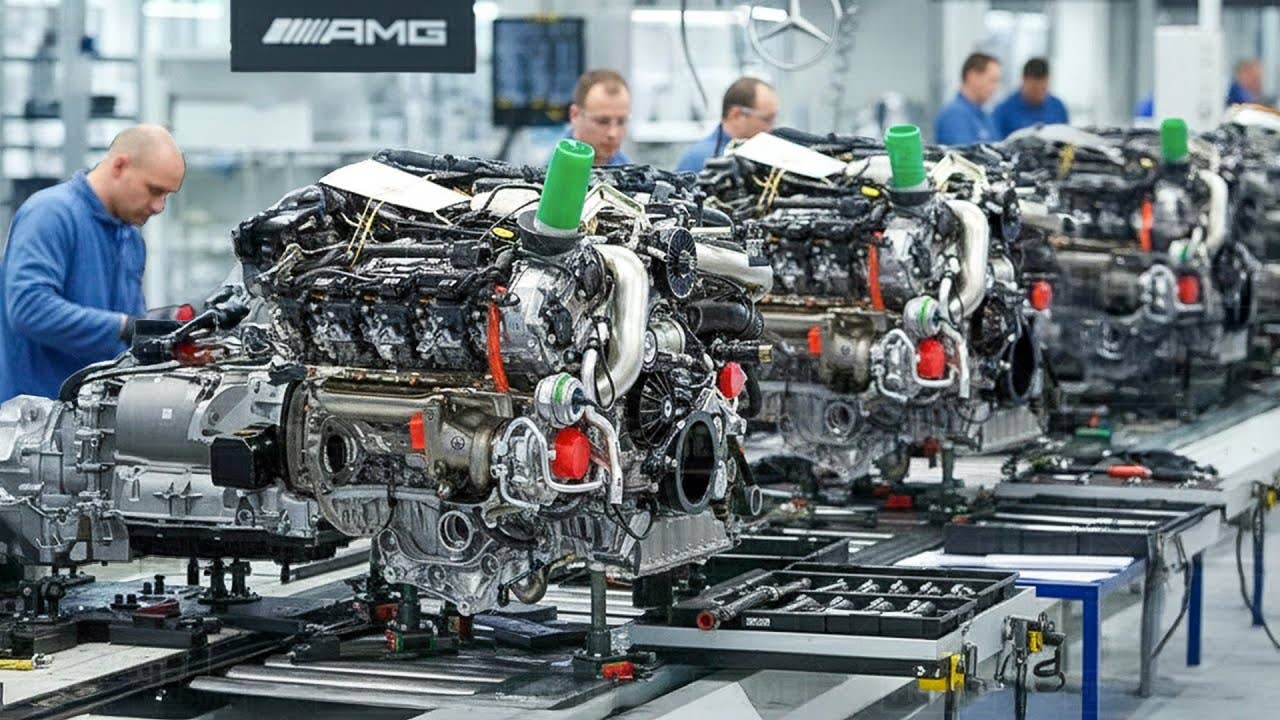
FRAME/YouTube
Shifting Production East To Slash Costs
Automotive Newsreports that the 2027 compact G-Class will be assembled in Kecskemet, Hungary. This move represents a calculated effort by Mercedes to trim operating expenses as global cost pressures mount. By utilizing the MMA architecture at this facility, the company aims to reduce total manufacturing costs by 10 percent.
This decision transforms the Hungarian factory into the brand's largest European production hub following a massive expansion. Kecskemet will soon account for nearly a third of all Mercedes vehicles built in Europe. The site will add thousands of new jobs and increase its annual capacity to over 300,000 units. The facility already handles several compact models and will soon take on even more volume.
This transition leaves German factories facing a grim reality. The Rastatt plant misses out on this lucrative new vehicle program. CEO Ola Kallenius has been vocal about improving domestic productivity, warning workers that high local labor costs make German plants less competitive for new product allocations.
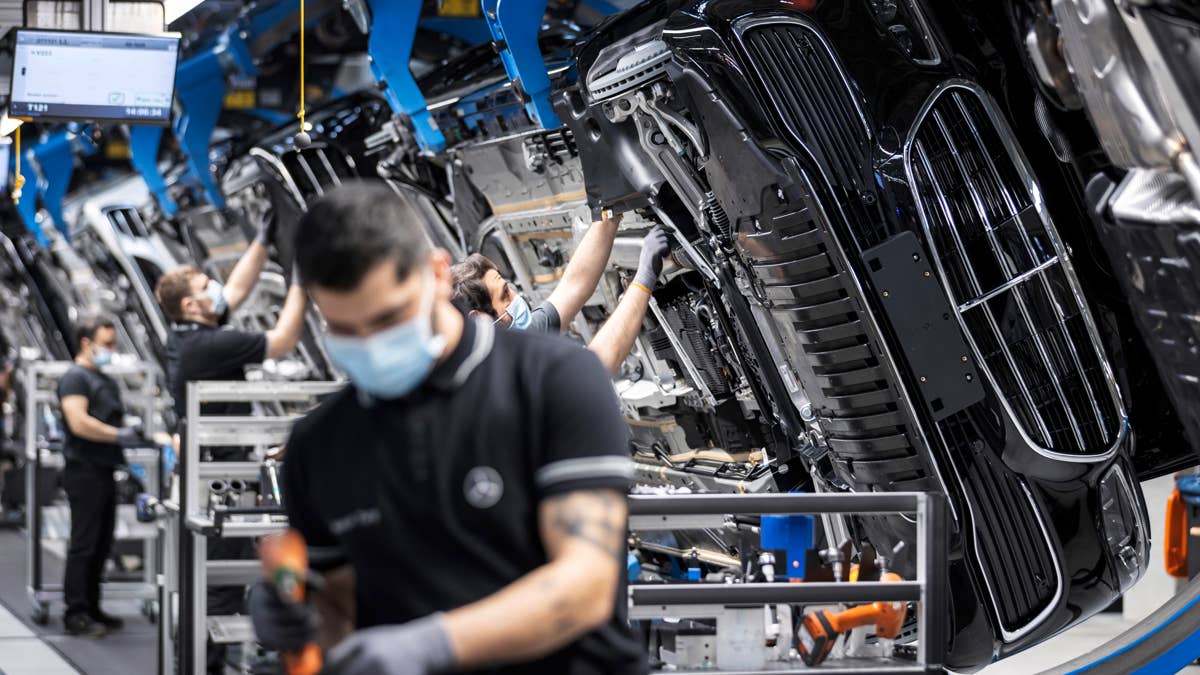
Mercedes-Benz
The Lowdown
This production shift signals a brutal but necessary reality check for legacy European automakers. Moving the baby G-Class out of its home country proves that heritage cannot justify inflated manufacturing costs. Mercedes is navigating a treacherous market in China, marked by rising trade barriers and cutthroat price wars. To survive and fund its transition to electric vehicles, the company must find efficiencies.
Alienating the German workforce carries significant risk. Negotiating longer hours without wage increases could spark intense labor disputes and damage internal morale. Ultimately, the success of this SUV hinges on whether Mercedes can execute this controversial manufacturing pivot without sacrificing the premium build quality its loyal customers demand.
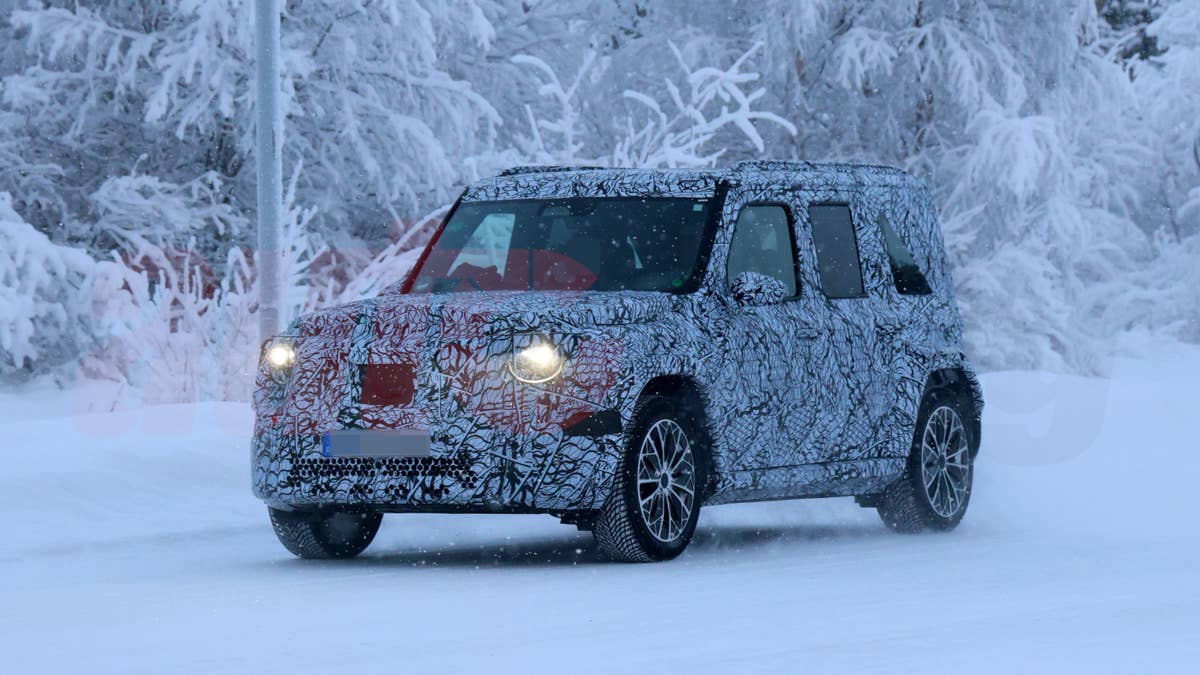
SH Proshots/Autoblog
Join the conversation
You can post now and register later. If you have an account, sign in now to post with your account.