_811205.png)
_e196d8.png)
_32b3d9.png)
_1c53fe.png)

The "Next 2008" Is Parked in Your Driveway
Our national auto debt has swelled to an astronomical $1.7 trillion. This is no longer just a personal finance problem for struggling families. Financial experts warn that the sheer volume of this mounting consumer debt poses a severe systemic threat to the entire banking sector. The writing is clearly on the wall for a potential economic meltdown that heavily rivals the last housing crash.
The average cost of a new carofficially crossed the $50,000 threshold last year. Consumers simply cannot keep up with these inflated prices alongside skyrocketing insurance premiums and daily fuel costs. The subprime auto loan sector is already cracking under the immense pressure of these unpaid consumer bills. When millions of Americans simultaneously default on their vehicle loans, the financial shockwaves will inevitably hit Wall Street directly.
Predatory Loans Fuel the Crisis
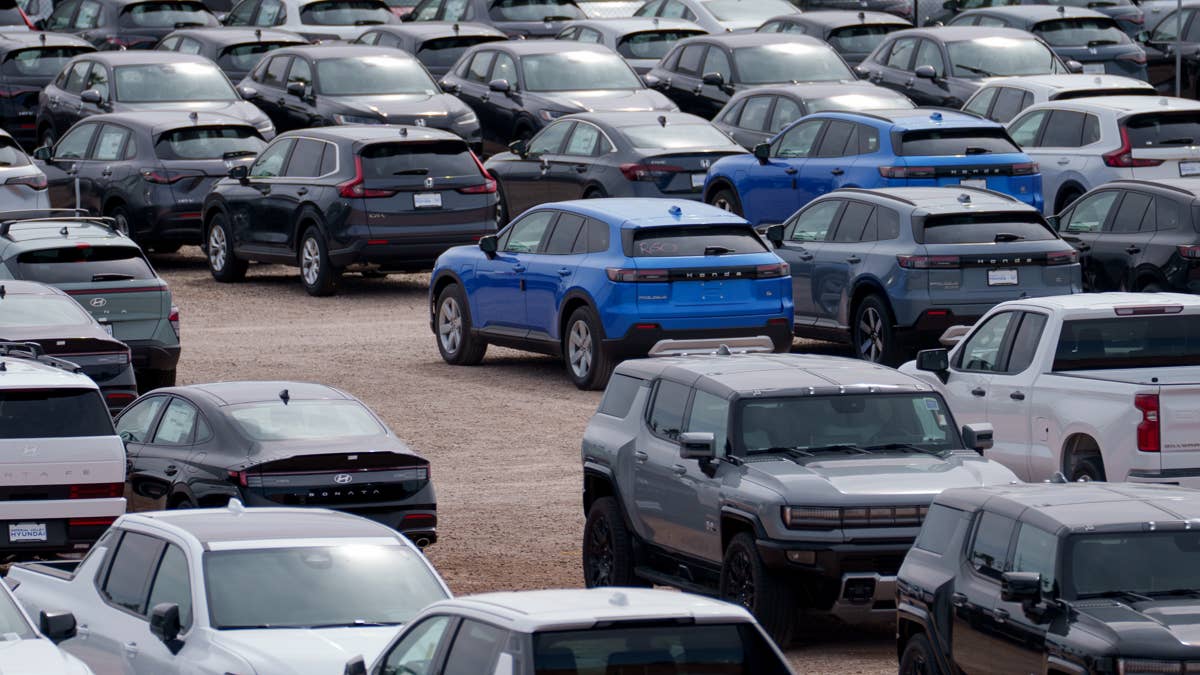
A recent investigative piece by The New Yorker exposes a terrifying reality about American finance. The root cause of this impending disaster is aggressive lending practices by major financial institutions. Dealerships are highly motivated to move inventory at absolutely any cost. This clear desperation leads them to push vulnerable buyers into dangerous long-term financing agreements that span up to 96 months. These lengthy loan terms create negative equity for the buyer almost instantly. The driver owes far more than the car is actually worth, the exact second they drive off the dealership lot.
An astounding one in five new car buyers now faces a massive monthly payment of over $1,000. These heavy financial obligations leave absolutely no room for economic hardship or unexpected medical emergencies. We are currently watching subprime auto default rates hit shocking numbers, mirroring the worst days of the 2008 crash. A single missed paycheck can easily start a devastating chain reaction of personal financial ruin.
The vehicle recovery process is becoming increasingly hostile as lenders panic over their massive financial liabilities. Banks are rapidly deploying armies of recovery agents using sophisticated surveillance technology to track down delinquent accounts. The outright desperation of lenders is reaching a boiling point across the entire country. There are even terrifying local accounts of dealerships utilizing armed police forces to forcibly take back luxury vehicles from buyers currently in default.
Getty Images
The Economic Domino Effect
The New Yorker shrewdly observed the close correlation between the repossession industry and our fragile national economy. Repo agents are working relentlessly around the clock to reclaim depreciating assets for incredibly anxious financial institutions. The used-car market is suddenly flooded with repossessed vehicles that lenders must sell at steep financial losses. This massive asset depreciation actively destroys the balance sheets of major commercial banks and credit unions.
A personal vehicle is a strict necessity for basic survival in modern America. Losing a car often prevents a person from commuting to work and paying their other crucial household bills. This harsh reality guarantees that auto loan defaults will quickly spill over into credit card markets and the broader housing sector. The massive American auto debt bubble is finally bursting, and it will likely drag the broader economy down with it.
Honda
Join the conversation
You can post now and register later. If you have an account, sign in now to post with your account.