_811205.png)
_e196d8.png)
_32b3d9.png)
_1c53fe.png)

From EV Pioneer to EV Partner
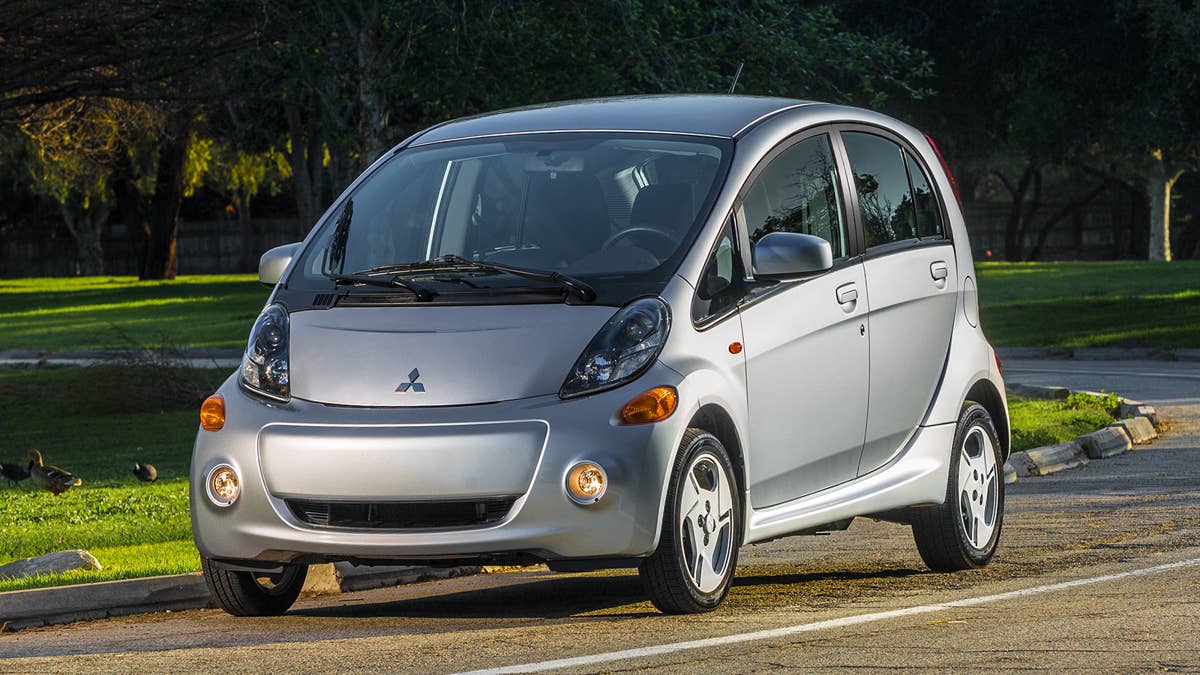
Mitsubishi was tinkering with electric cars before it was cool. In 2009, it rolled out the i-MiEV – a quirky, egg-shaped hatchback that hit the streets just as the original Nissan Leaf hit the streets. The Leaf became a household name, but Mitsubishi somehow let its head start slip through its fingers.
Rather than riding the i-MiEV wave, Mitsubishi wandered off in another direction. Now, as 2026 approaches, the brand’s electric game plan looks nothing like it once did. Sure, more EVs are coming, but Mitsubishi isn’t planning to do all the grunt work this time.
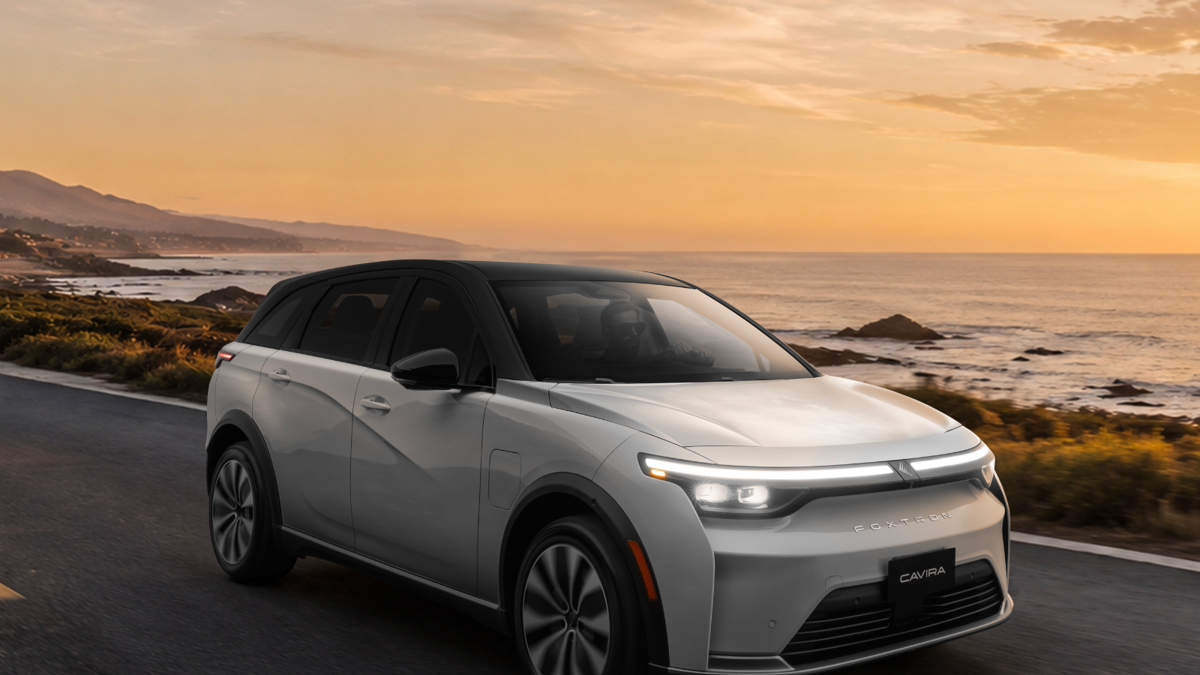
Mitsubishi’s current EV playbook is all about teaming up. The Eclipse Sportback EV headed for North America is basically a Nissan Leaf in a new suit. Europe gets the Renault-based Eclipse Cross Electric, while in other parts of the world, Mitsubishi is partnering with Foxconn and Foxtron to roll out more electric models. For now, it’s all about partnerships – and there’s a good reason for that.
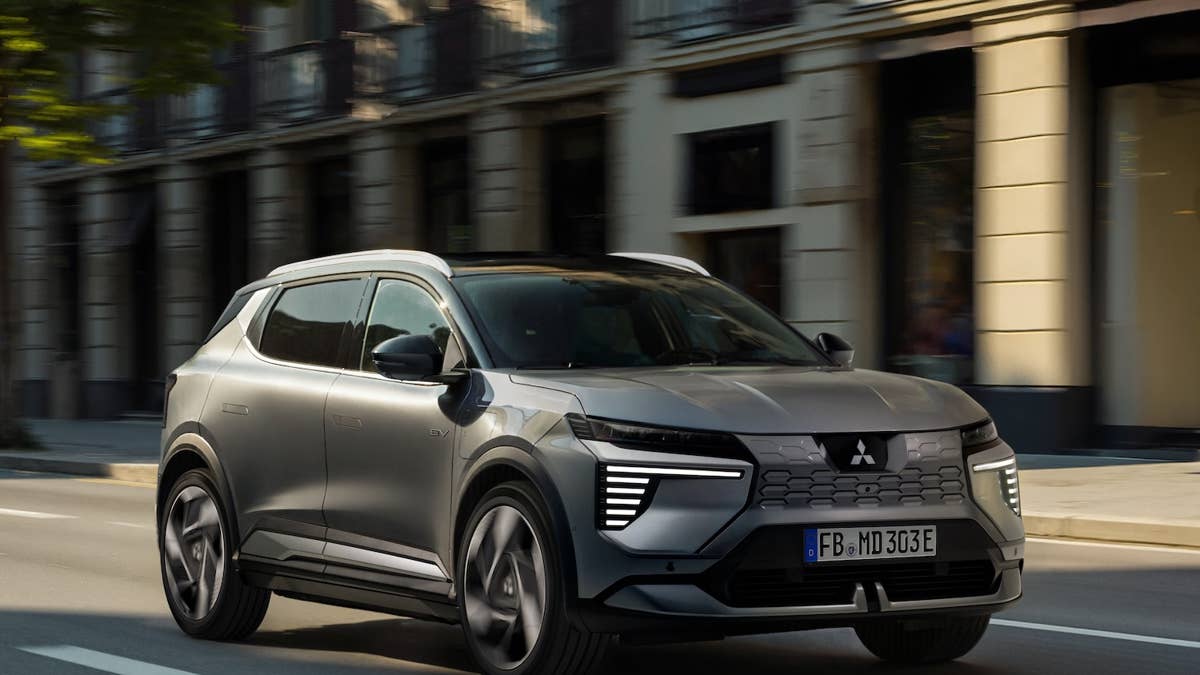
Mitsubishi
Mitsubishi Says the Timing Isn't Right
At Mitsubishi’s annual shareholders meeting on June 18, CEO Takao Kato laid out why the company is pumping the brakes on going all-in with EVs.
Kato admitted, as reported by Automotive News, that EV growth is losing steam in a bunch of markets. Mitsubishi is still working on the important tech behind the scenes, but throwing piles of cash at a full-blown EV push right now looks like a risky bet.
"As for BEVs, the reality is that their growth has indeed been slowing down globally," Kato told shareholders.
He also said Mitsubishi is quietly sharpening its own skills, ready to jump in solo if the EV market finally takes off. Until then, teaming up is the name of the game.
Kato pointed out that for a company like Mitsubishi, betting the farm on one tech – and getting the timing wrong – could spell disaster. Beyond trends, Mitsubishi seems happy to let the big players do the heavy lifting while it keeps its eyes on delivering cars people actually want.
A Different Path as Others Hit the Brakes
Mitsubishi’s cautious stance comes as plenty of other automakers are reworking their EV game plans. Honda, for example, just revealed a jaw-dropping ¥2.5 trillion ($15.7 billion) write-down thanks to scrapped projects and a shifting market.
Honda’s not the only one feeling the heat. Ford, GM, Nissan, and a bunch of others have hit pause or tweaked their EV plans as demand slows down. Across the industry, hybrids are getting more love while everyone waits for the EV wave to pick up speed again.
In this climate, Mitsubishi’s slow-and-steady approach looks more like smart risk management than cold feet. The brand still plans to beef up its electric lineup with the Eclipse Sportback EV, the European Eclipse Cross Electric, and whatever Foxtron cooks up next. But instead of burning through billions to go it alone, Mitsubishi is happy to run this leg of the EV race with some company.
Join the conversation
You can post now and register later. If you have an account, sign in now to post with your account.