_811205.png)
_e196d8.png)
_32b3d9.png)
_1c53fe.png)

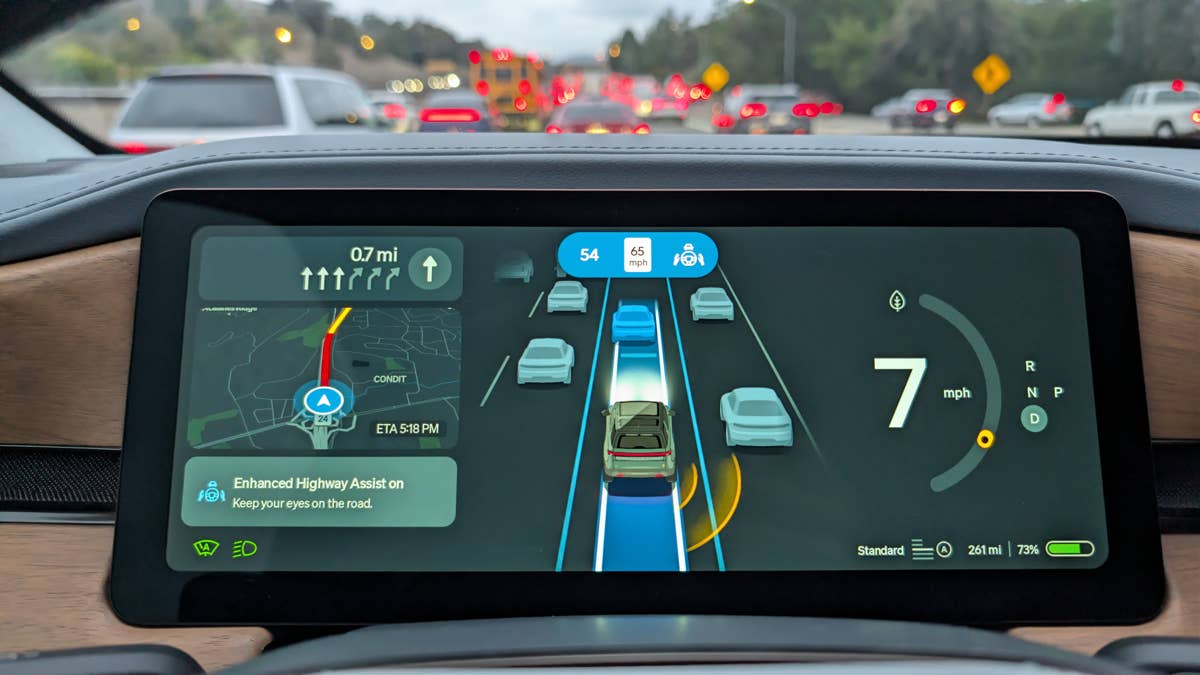
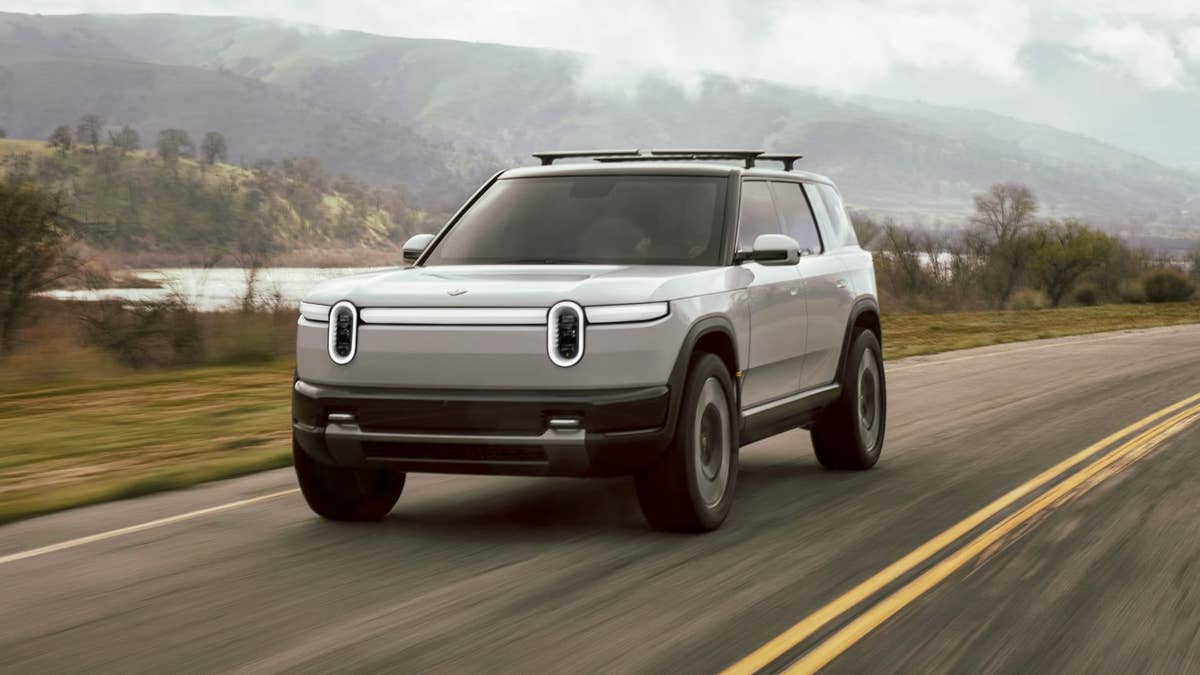
If Rivian has its way, Level 4 autonomy, where a car can drive itself without any human input, is coming by around 2030, possibly even as soon as 2028. RJ Scaringe has spent years steering Rivian from a scrappy EV upstart to a serious force with over 42,000 R1s sold and a $5.8 billion tie-up with Volkswagen Group. He is not a man given to hyperbole. So when he says the people who think full self-driving is still ten years away are badly misjudging the pace of change, it lands differently than the usual Silicon Valley noise. Speaking to Top Gear in a candid interview conducted alongside an early drive in the new Rivian R2, he sounded like someone who genuinely believes the ground is already shifting beneath the entire industry.
Kristen Brown
Why AI Has Finally Cracked What Decades of Testing Couldn’t
The reason self-driving stalled for so long, Scaringe explained, is that early systems tried to hand-code every possible road situation. Stop at red. Don't hit the car in front. Turn left here. Rules written by humans, for a chaotic and unpredictable world. That approach hit a ceiling fast.
What changed everything is the shift to large language models and neural networks trained on real-world driving data. Rivian's vehicles, including the new R2, are essentially roving large driving models that learns the way a human brain does, through repetition, pattern recognition and accumulated experience. Scaringe expects Rivian to reach Level 2 to 3 autonomy, hands off and eyes off, within 18 months, with full Level 4 coming by the end of the decade. That's the advantage of starting with a blank sheet.
https://youtube.com/shorts/IklrdC6AfbA?si=SMAI8FFYP7G5UdVq
What It Means for Drivers, and Why the Risks Are Real
For the average driver, Level 4 autonomy can be transformative. Commutes become productive time. Long road trips stop being exhausting. Elderly and disabled drivers gain a freedom they may never have had. Scaringe put it plainly: people will be drawn to anything that gives them time back inside the car.
Rivian
But the stakes cut both ways. A car that drives itself without any human supervision is only as safe as the regulations built around it. Liability is still something that’s being figured out, while cybersecurity vulnerabilities can be life-threatening. Without serious, coordinated regulatory frameworks, the same technology that promises to save thousands of lives on the road could just as easily create new dangers. So, while the technology may well arrive ahead of schedule, will the rules that keep it safe arrive at the same time?
Join the conversation
You can post now and register later. If you have an account, sign in now to post with your account.