_811205.png)
_e196d8.png)
_32b3d9.png)
_1c53fe.png)

Making EVs Great
Some of the biggest complaints about Electric Vehicle (EV) adaptability are the battery technology itself. While we're at that point where we're seeing ranges increase on a substantial level, most buyers are concerned about the longevity of the battery, as well as the reduction in the time it takes to charge up the batteries.
Some automotive brands have dabbled in developing more advanced batteries to power the EVs of the future. We've seen announcements of Solid-State Battery (SSB) tech as an emerging trend. With Chinese automakers leading the global EV race, it's no surprise they're way ahead of the rest of the world in proving SSBs' viability.
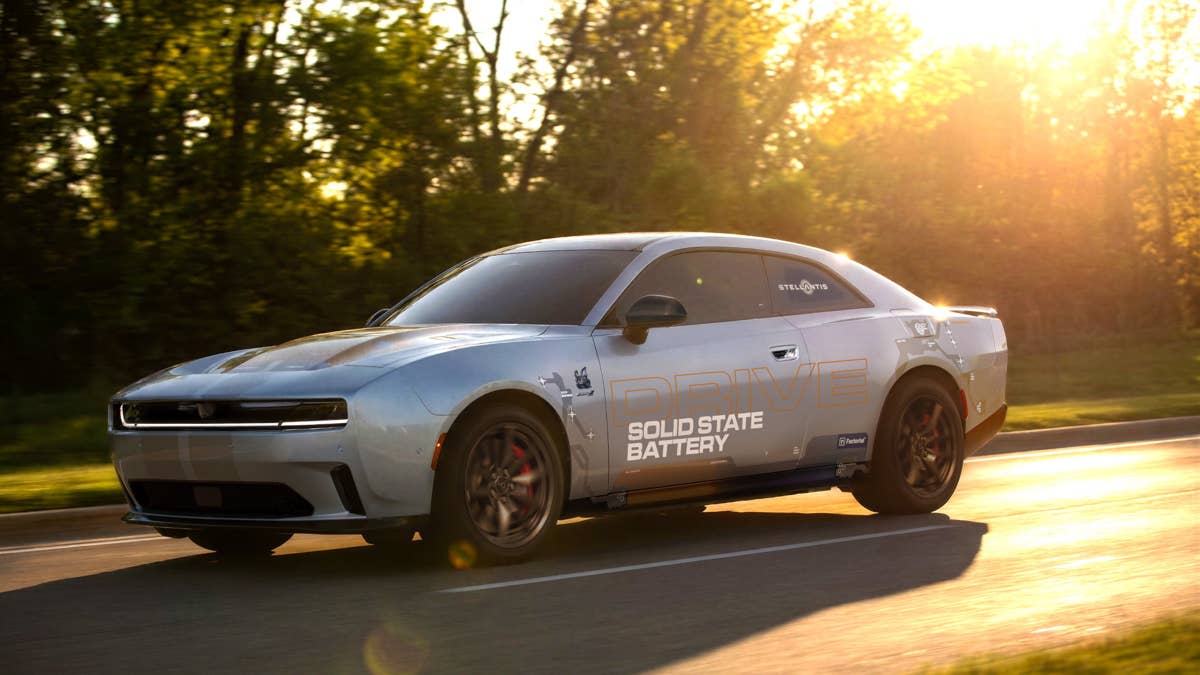
SSB Works, But Not For Cars
Car News China reports that a project has just been completed in Beijing, with the main goal of determining just how good SSBs are. A Beijing energy group has just validated a stationary SSB system that was placed underground within a heating network. It was tested and operated for over a year, with temperatures as high as 85 degrees and humidity around 95%.
The study itself was aptly called the “Research & Development and Demonstration Verification of Solid-State Battery Technology in Extreme Environments.” It was certified as a pass by the Beijing Municipal Science and Technology Commission after a comprehensive performance evaluation. According to the data, the SSBs operated in a stable state at temperatures ranging from 40°C to 85°C and humidity levels between 90% and 95%.
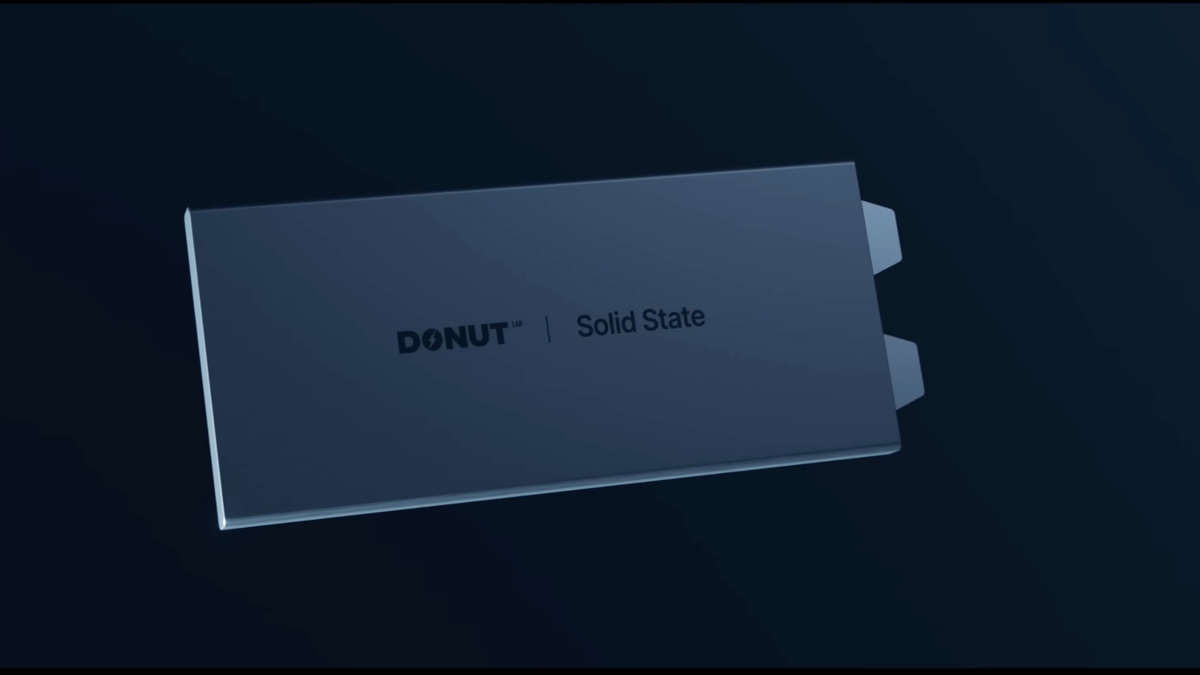
YouTube - @DonutLabOfficial
Automakers Betting on SSB
While the study was considered a pass for the SSBs, the disclosed data does not yet include specifics on battery chemistry, energy capacity, degradation data, or cycle-life performance. Even more, this study only validates stationary use of SSBs, and it doesn't mean it will immediately translate to an automotive setting. This is because automotive battery usage varies and has different requirements, such as safety improvements, energy density, vehicle weight, charging speed, manufacturing cost, and durability under repeated driving conditions. This study's primary goal was to demonstrate that SSBs have commercial applications and the potential to help reduce emissions from industrial sectors.
While this latest development in SSB technology is worthwhile data, the automotive applications would still need to be tested and confirmed. However, some bold automakers have already announced big plans for SSB technology. Nissan and Stellantis have already announced they are looking into it, including the auto giant Toyota. There are even speculations that the new SSB batteries might make their way to new models as early as 2027 or 2028.
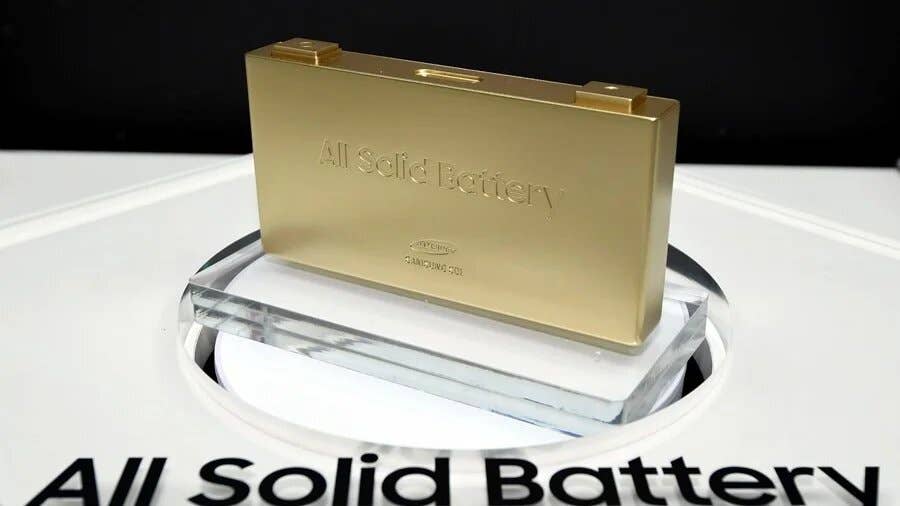
Samsung SDI
Join the conversation
You can post now and register later. If you have an account, sign in now to post with your account.