_811205.png)
_e196d8.png)
_32b3d9.png)
_1c53fe.png)

A Response to Tesla's Resale Value Problem
If you own a Tesla, you know the drill: trying to guess what your car will be worth next year is basically a game of roulette. Tesla keeps slashing prices on new Model 3 and Model Y EVs, which is great if you’re buying new, but not so fun if you’re watching your own car’s value nosedive. Plenty of owners have seen their cars lose value way faster than they bargained for.
According to data compiled by Find My Electric, Teslas generally lose around 20-30% of their value in the first year, with depreciation reaching roughly 40-50% after three years.
Enter Tesla’s latest move. Teaming up with finance outfit Driva, Tesla has rolled out a Guaranteed Future Value (GFV) program. In plain English, that means buyers get a set-in-stone minimum resale value at the end of their finance deal. Right now, it’s an Australia-only perk, giving buyers a bit of peace of mind in a market where guessing resale values is anyone’s guess.
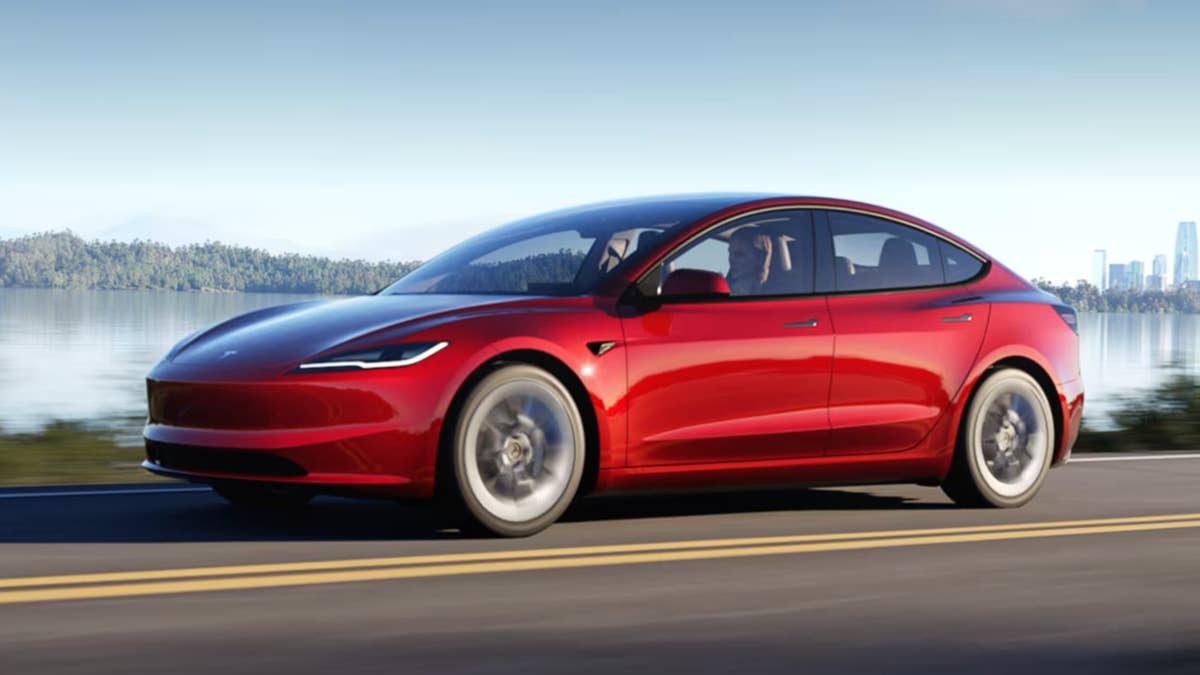
Tesla Canada
Somewhere Between a Loan and a Lease
Don’t let the name fool you – the Guaranteed Future Value program isn’t just a fancy buyback promise like what Tesla rolled out before. It’s basically a car loan with a twist: you only pay for the chunk of value your Tesla is expected to lose, not the whole sticker price. The rest gets bundled into a big balloon payment at the end, with the guaranteed value locked in before you even leave the lot.
This setup means your monthly payments are lower than a regular loan, and when the term’s up, you’ve got options. Pay off the balloon and keep your Tesla, refinance, trade up to a new one, or just hand it back – assuming you haven’t racked up too many miles or trashed the interior.
It’s a bit like a lease, since you’re mostly paying for depreciation, not the whole car. The big difference? With a lease, the finance company owns your EV. With Tesla’s GFV, you’re the owner, and if your car ends up being worth more than the guaranteed value at the end, you pocket the difference. If it’s worth less, you’re covered – as long as you’ve played by the mileage and condition rules.
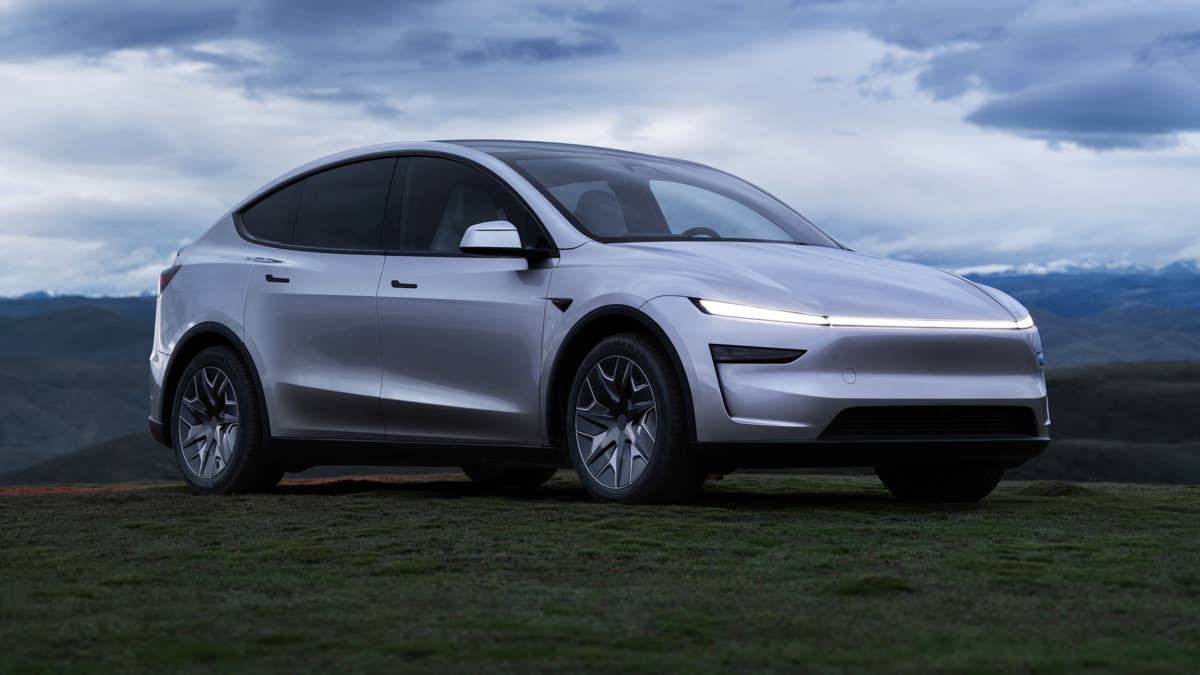
Tesla
Could America Be Next?
You’d think the US would be a no-brainer for something like this. American buyers already know their way around balloon loans and lease-style payments, and other brands have tried guaranteed value deals before. Plus, after all those price drops, plenty of Tesla shoppers are now side-eyeing the future value of their cars.
A GFV program could calm those nerves without Tesla having to chop prices even more. Instead of just throwing out bigger discounts, Tesla could win buyers over with steadier ownership costs and smaller monthly bills.
The catch? Someone has to eat the loss if used EV prices tank below those guaranteed numbers. That could be Tesla, their finance partner, or both. Set the guarantee too high, and it gets pricey for Tesla. Set it too low, and buyers won’t bite.
For now, Australia gets to be the guinea pig. If this program helps buyers feel brave enough to sign despite shaky resale values, don’t be shocked if Tesla brings something similar to bigger markets. The US has the know-how, the buyers, and the sales numbers to make it work. In the end, it’s all about whether the boost in buyer confidence is worth the financial risk.

Join the conversation
You can post now and register later. If you have an account, sign in now to post with your account.