_811205.png)
_e196d8.png)
_32b3d9.png)
_1c53fe.png)

Double-Checking Tesla
A previous report questioned the validity of Tesla's Full Self-Driving (FSD) safety data used in its efforts to gain approval in Europe. The publication argued that the EV maker's safety claims may be exaggerated because they rely on misleading comparisons. Now, two U.S. senators are calling on the National Highway Traffic Safety Administration (NHTSA) to review those claims.
Democratic Sens. Edward Markey of Massachusetts and Richard Blumenthal of Connecticut sent a letter to NHTSA on Monday, citing the Reuters report and calling Tesla’s safety statistics “weak and misleading.” The concern is that misleading safety claims could pose risks, especially if the EV maker’s claims prove overstated.
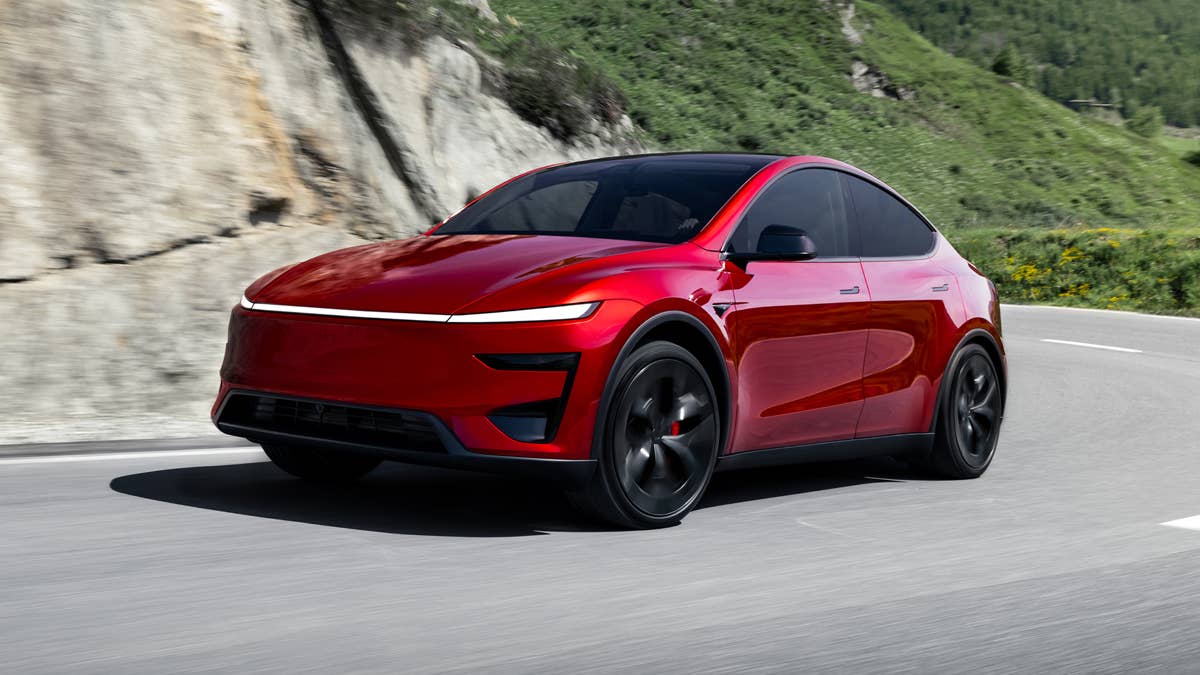
Tesla
Why Some Researchers Are Skeptical
One of Tesla’s claims is that FSD is 10 times safer than human drivers. However, critics argue the comparison is misleading because Tesla compared crashes in FSD-piloted vehicles that triggered airbag deployments with a broader U.S. crash rate that includes far less severe incidents. In other words, the company appears to be comparing serious incidents against all types of human-driver crashes, including minor ones, making it more of an apples-to-oranges comparison.
There was also criticism of Tesla's comparison between its EVs and the average U.S. vehicle fleet, which includes many older models equipped with far less advanced safety technology.
If NHTSA determines that Tesla’s safety claims are exaggerated, it could become another blow to FSD, which has already faced lawsuits related to crashes. FSD has also been scrutinized for its name, which critics say may mislead people into thinking the system can drive entirely on its own.
Like General Motors’ Super Cruise, FSD is an SAE Level 2 advanced driver-assistance system (ADAS), meaning the driver must remain attentive and ready to take control at all times. Level 4 autonomy, by contrast, allows a vehicle to drive itself without human intervention under specific conditions. That is the kind of autonomy Tesla is pursuing with the Cybercab, a two-seat robotaxi rivaling Waymo.
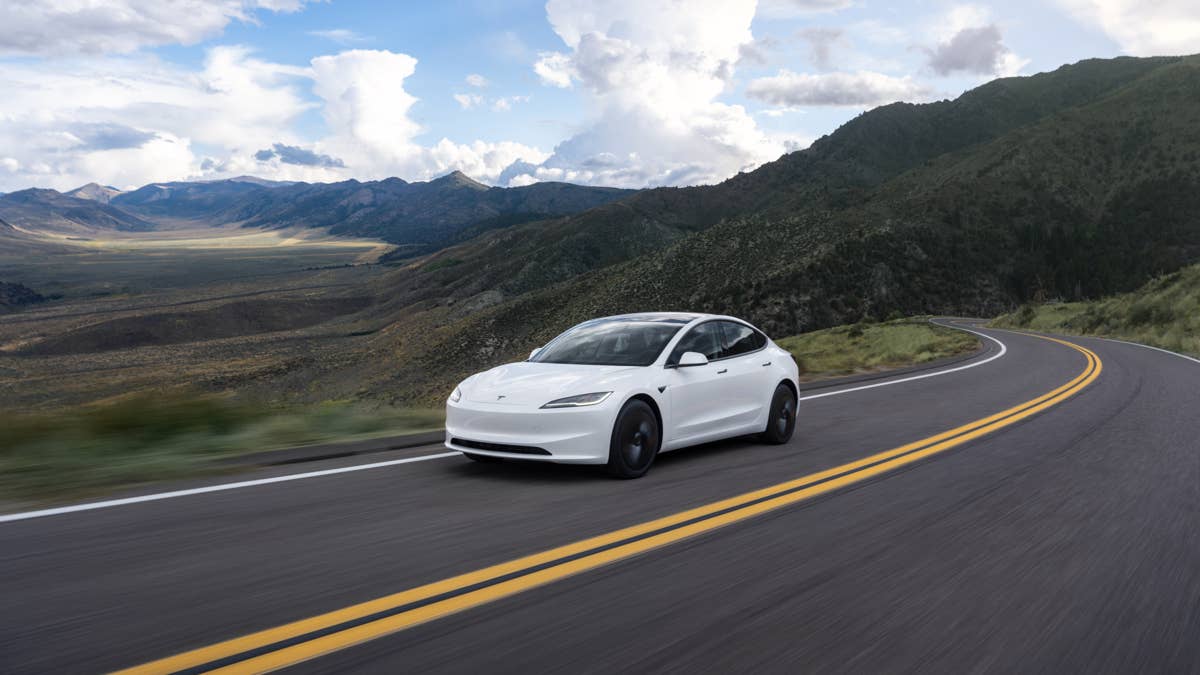
Tesla
A Call For Better Oversight
The senators expect a response from NHTSA by July 7. At the same time, they are urging the agency to strengthen reporting requirements for companies developing self-driving technology and ADAS, arguing that regulators currently lack the means to independently verify whether public safety claims are supported by real-world data.
One potential outcome is greater transparency around safety claims, which could help reduce the risk of misleading consumers. It is worth noting that Level 3 systems already exist, though automakers such as BMW have struggled to commercialize them due to factors including high costs.
Join the conversation
You can post now and register later. If you have an account, sign in now to post with your account.