_811205.png)
_e196d8.png)
_32b3d9.png)
_1c53fe.png)

The Epic Shift in Automotive Power
The American automotive landscape is undergoing a massive geopolitical shift as Texas rapidly closes in on California's historic retail sales lead. According to a recent report from JD Power, California’s share of U.S. retail light-vehicle sales has dwindled to 11.4 percent. Meanwhile, Texas has climbed steadily to 10.8 percent, leaving less than a single percentage point separating the two giants. This migration of market share signals a dramatic relocation of the nation's automotive center of gravity toward the South.
The Lone Star State has already surpassed California in terms of total consumer spending on new vehicles, driven by a booming population and a strong economy. While the Golden State has historically used its sheer size to dictate national trends, its regulatory grip faces significant resistance. The federal government recently took legal action to block California's aggressive mandate to ban internal combustion vehicles by 2035.

IOFOTO
How Truck Culture is Dictating Brand Strategy
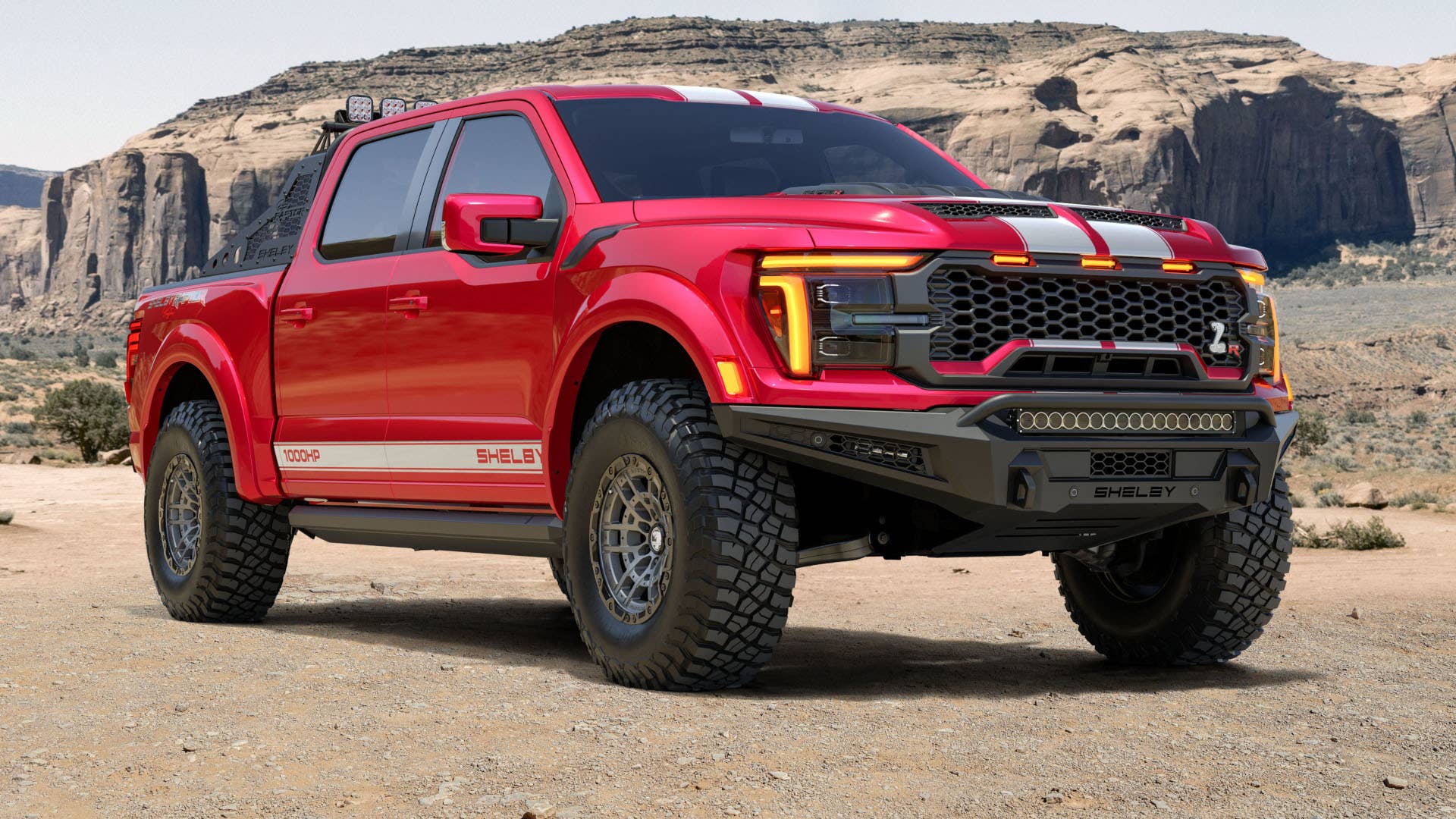
Texans have an insatiable appetite for pickup trucks, which accounted for a staggering 25 percent of new-vehicle registrations in April compared to just 13 percent in California. These vehicles are no longer just utilitarian tools, as high-end models have effectively become luxury status symbols routinely commanding transaction prices well north of $100,000. This massive revenue stream has forced global automakers to completely re-evaluate their marketing decisions and manufacturing pipelines.
Automakers are aggressively moving to capitalize on this lucrative demographic by introducing highly diversified truck portfolios. Legacy brands are realizing that traditional buyers want robust capability, forcing major overhauls of established nameplates. This is evident as companies invest heavily in next-generation platforms, ensuring that Ford is fundamentally reimagining its iconic F-150 pickup to match shifting consumer expectations. Meanwhile, midsize options continue to generate massive loyalty, especially in regions where the Toyota Tacoma frequently claims top honors at local truck awards.
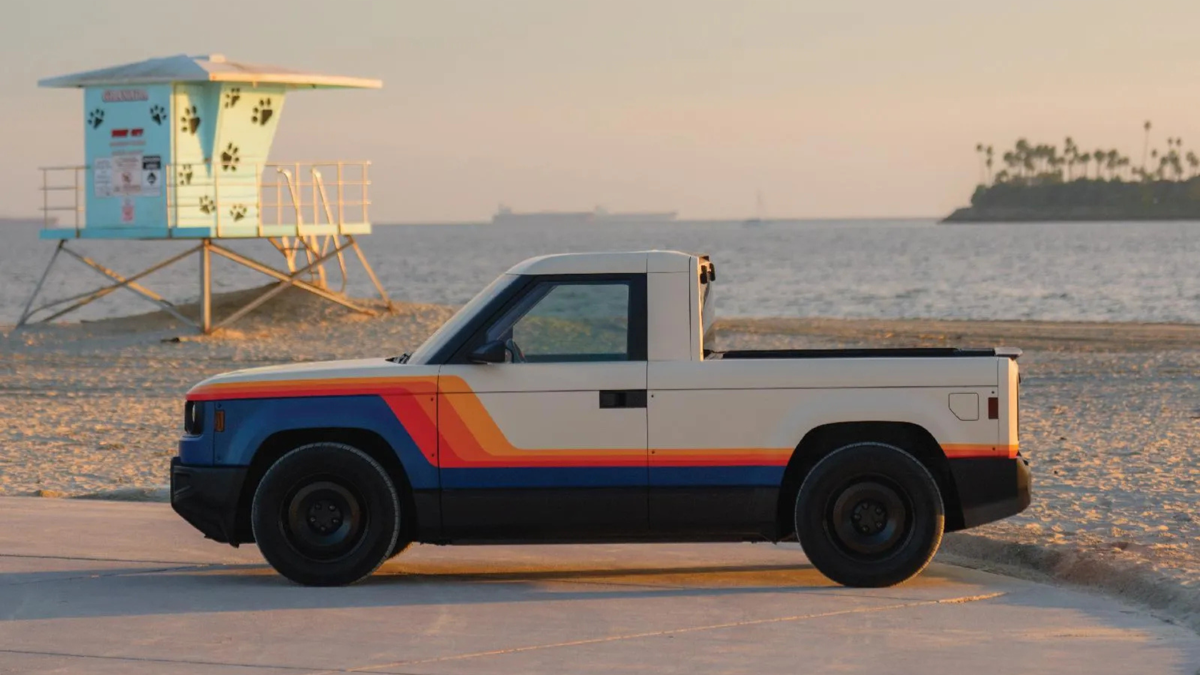
The hyper-focus on heavy-duty profits leaves a massive opening for entry-level models targeting younger, budget-conscious buyers. Innovative startups are attempting to bridge the gap between utility and affordability with highly adaptable platforms. For instance, budget-conscious buyers are tracking vehicles like Slate's modular $25,000 electric vehicle that transitions between a truck and an SUV.
Tech vs. Tradition
Despite losing ground in raw sales volume, California remains a critical technological epicenter of car culture and automotive design. The state still influences how future vehicles are styled and programmed through its advanced design studios and Silicon Valley tech hubs. This technological focus is reflected in the local infrastructure, as California recently reached a milestone, with more vehicle charging stations than traditional fueling pumps.
However, California's early momentum in the electric vehicle sector is showing signs of fatigue. First-quarter electric vehicle registrations in the state plunged by 40 percent compared to last year, exposing consumer pushback regarding public infrastructure and vehicle affordability. Texas presents a vastly different prototype of the typical American consumer, one grounded in diversification and traditional powertrains. As economic realities force buyers to adjust their spending habits, the automotive industry must learn to balance California's tech-forward vision with Texas's immense purchasing power.
Slate
Join the conversation
You can post now and register later. If you have an account, sign in now to post with your account.