_811205.png)
_e196d8.png)
_32b3d9.png)
_1c53fe.png)

Tiny By Design
The Smart Fortwo may not have been a major commercial success in the U.S., but it developed a cult following thanks to its distinctive design and tiny footprint, which stood in stark contrast to the larger vehicles that dominated American roads. The model eventually exited the U.S. market in 2019 after Smart transitioned to an all-electric lineup, arriving at a time when EV adoption was still in its early stages, and buyers largely gravitated toward vehicles like the Tesla Model 3, which offered significantly more range and room for everyday use.
Now, the Fortwo is essentially being revived through the upcoming smart #2. This time, EVs are more relevant than ever, so its spiritual successor may have a better fighting chance. It will also be a significant addition to the lineup, especially since the brand has recently shifted toward larger crossovers with the smart #1, smart #3, and smart #5, a move that makes sense given current market demand.
Reinventing The City Car
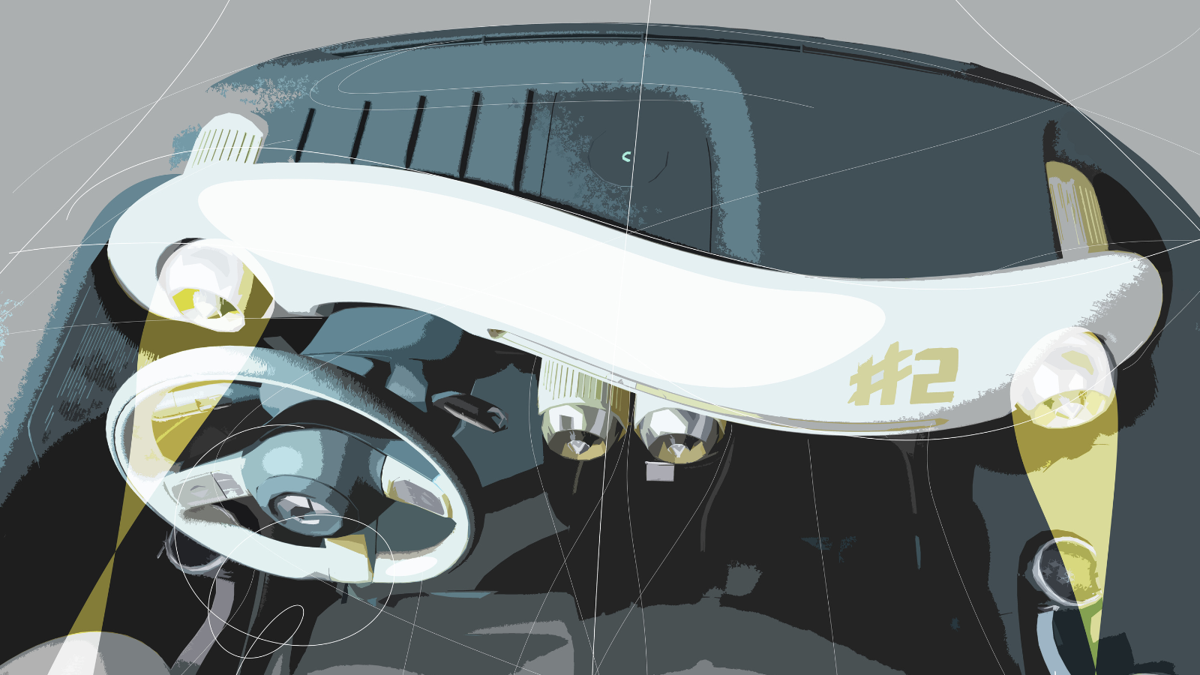
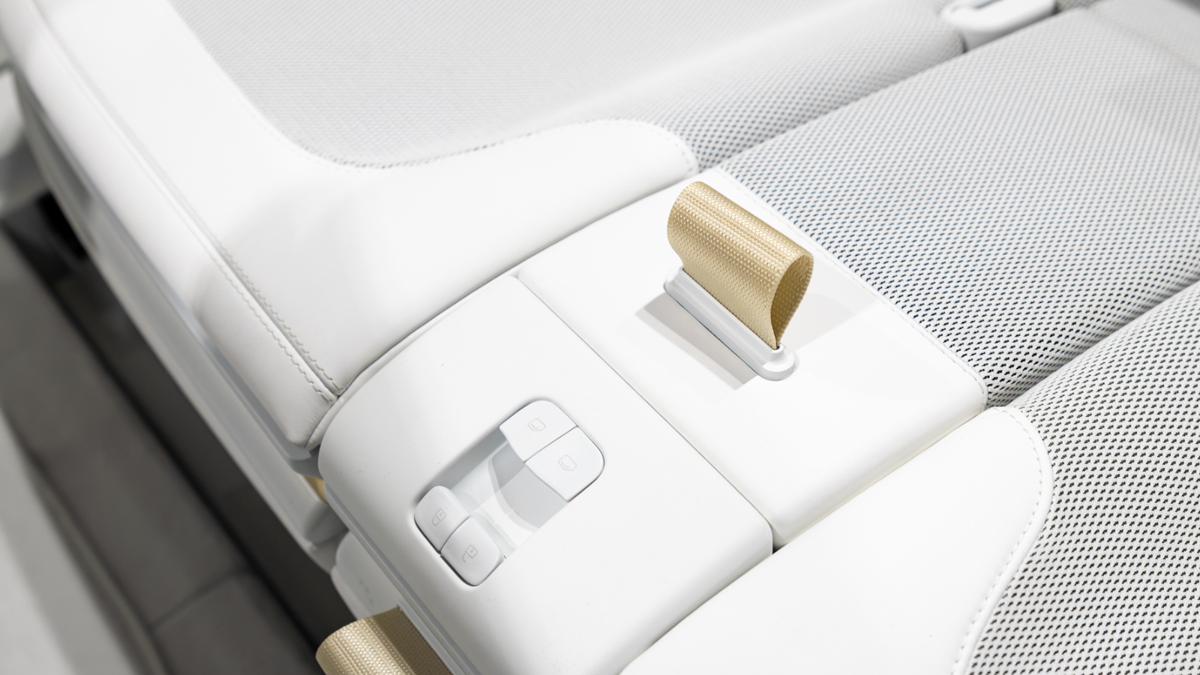
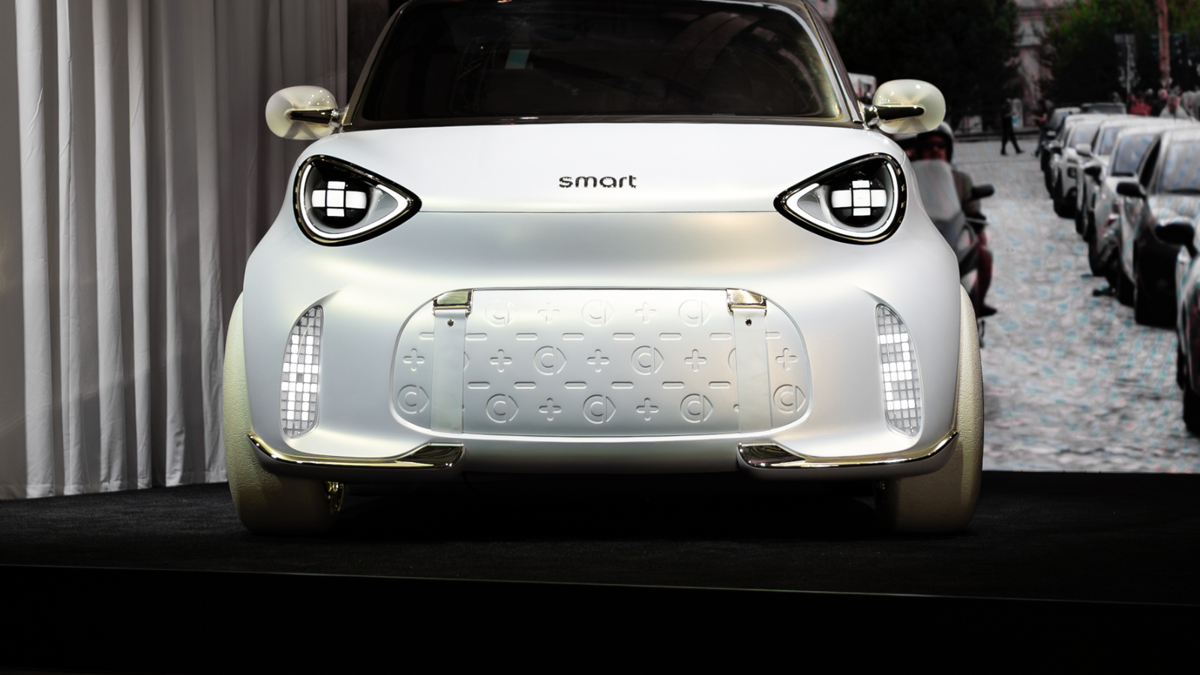
So far, Smart has only unveiled a design concept for the new compact EV. It features a two-tone color scheme, frameless doors, and short overhangs, which should make parking and maneuvering easier. The latest reveal is the interior, which adopts an open cabin layout with an S-shaped cockpit. While it remains a two-seater, the EV features a bench seat that the company says creates a “sense of shared space and practicability.”
A few technical details have also been disclosed. The smart #2 will be underpinned by the brand’s new Electric Compact Architecture (ECA), which was designed specifically for ultra-compact EVs. Target figures include a 35.7-kWh battery, around 300 km (186 miles) of WLTP range, and DC fast charging from 10% to 80% in under 20 minutes.
Ready For Round #2?
The production smart #2 is scheduled to make its world premiere at the Paris Motor Show in October 2026. It will occupy a fairly unique niche, although its closest rivals will likely include the Fiat 500e, Volkswagen ID.1, and Renault Twingo E-Tech.
“European cities have always been the natural home of the Smart two-seater. Long before mobility became a challenge in urban areas worldwide, Smart had already created solutions around the realities of city life,” Wolfgang Ufer, CEO of Smart Europe, said.
There are no reports suggesting Smart is considering a return to the U.S. market. After all, the barriers to entry could be higher this time, with stricter safety standards and import tariffs making life harder for many automakers, especially those without domestic manufacturing, such as Audi.
Join the conversation
You can post now and register later. If you have an account, sign in now to post with your account.