_811205.png)
_e196d8.png)
_32b3d9.png)
_1c53fe.png)

A Critical Lifeline for North American Automotive Manufacturing
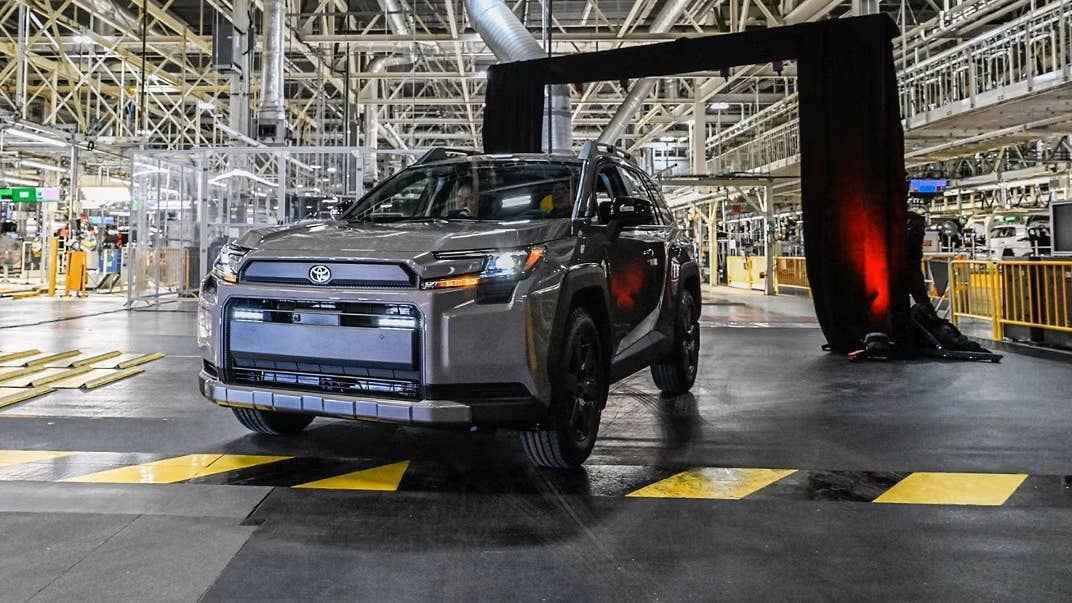
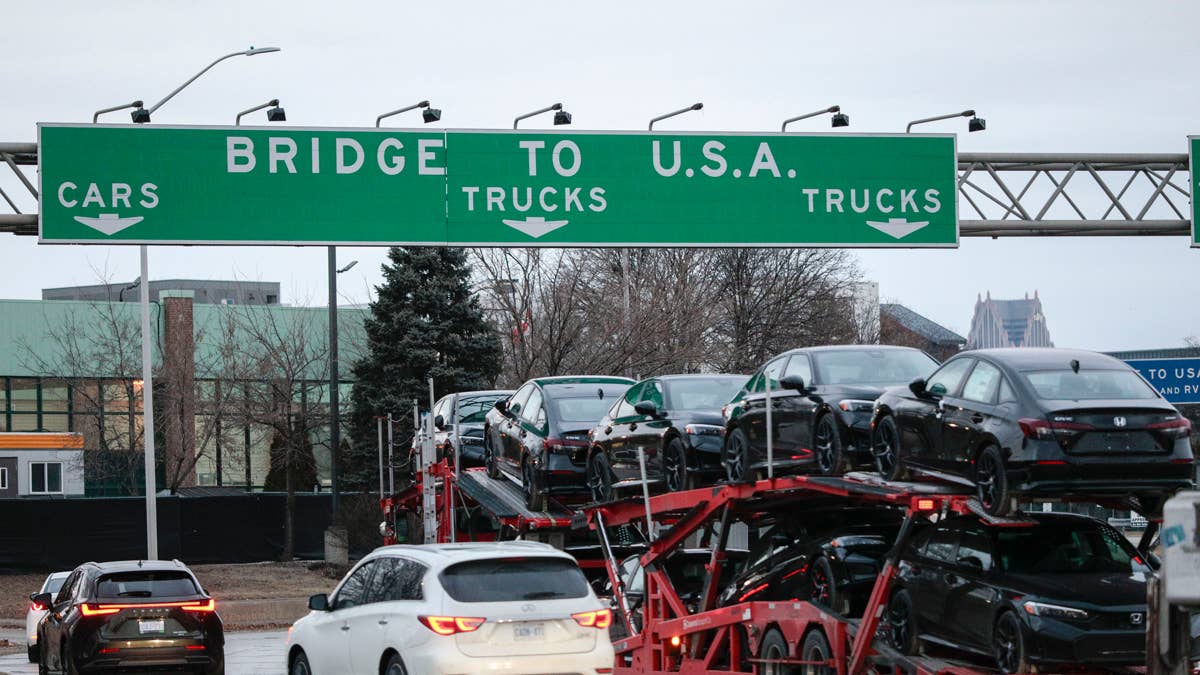
The North American automotive industry relies heavily on a highly integrated, just-in-time supply chain that spans the United States and Canada. Every day, more than $300 million worth of goods cross the aging, four-lane Ambassador Bridge connecting Detroit and Windsor. A single disruption can instantly freeze production lines, as seen when Ford Motor Company noted that a brief border delay can trigger a seat shortage for the profitable F-150 pickup within a single hour.
To alleviate this persistent bottleneck, the new six-lane Gordie Howe International Bridge was designed to link Ontario's Highway 401 directly to Michigan's Interstate 75. The industry still remembers the devastating 2022 trucking blockade, an event automotive leaders labeled as a Strait of Hormuz moment that cost the sector roughly $1 billion. Relying on a single, century-old private crossing exposes a severe logistical vulnerability that this new public infrastructure is desperately needed to fix.
Geopolitical Roadblocks and the Tariff Crossfire
Despite the clear economic necessity, the completion of this modern corridor has become deeply entangled in intense political posturing. Donald Trump recently injected uncertainty into the project by threatening to delay the opening over toll revenue and ownership disputes. In response, Windsor Mayor Drew Dilkens has stated that Canada should wait for a better time rather than accept a poor trade agreement.
These border disruptions occur alongside broader protectionist measures that damage international automotive supply chains. Recent industry figures show that billions of dollars in tariff penalties have burdened manufacturers over the last year. This trade conflict reached a new milestone when Ottawa imposed retaliatory import duties on American vehicles, a move that reshaped cross-border commerce and raised assembly costs for factories nationwide.

Probably a Reckless Move
Using a critical, multi-billion-dollar trade route as a political bargaining chip is a reckless move the automotive sector simply cannot sustain. Automakers are already preparing for significant market downturns, as experts project a staggering $1.8 million drop in North American vehicle sales while European brands freeze their port inventories. Restricting vital supply chains amidst slumping demand and inflated production costs only damages the economic stability of both countries.
The idea is simple: the Detroit-Windsor manufacturing corridor requires modern predictability, not protectionist gridlock. The Gordie Howe International Bridge represents the future of continental competitiveness and supply chain resilience. Politicians on both sides of the border must put aside the rhetoric, finalize the remaining permits, and let the parts roll before more assembly lines fall silent.
Join the conversation
You can post now and register later. If you have an account, sign in now to post with your account.