_811205.png)
_e196d8.png)
_32b3d9.png)
_1c53fe.png)

Range-extended electric vehicles (REEVs) currently provide EVs a much-needed boost, offering buyers the perfect middle ground. These clever powertrains allow people with range anxiety to enjoy the benefits of driving a full EV. You get the instant torque and the quieter drive, yet you never have to sweat bullets while searching for a charger.
However, the catch is that, at the end of the day, the battery is still powered and charged by a gasoline engine. While some brands like Scout are making a hard pivot towards these setups, we still question their real-world reliability and long-term emissions. Methanol offers a much greener option, and engine builder HORSE might finally have the definitive answer.
HORSE
The HORSE D20 Powertrain
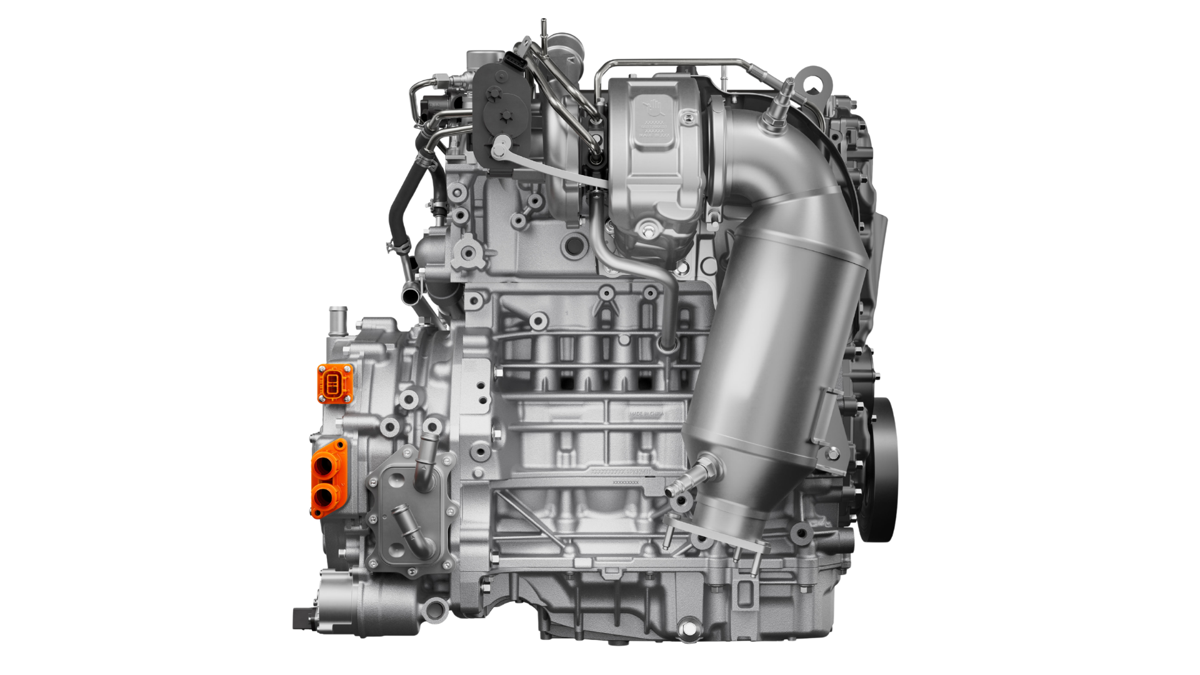
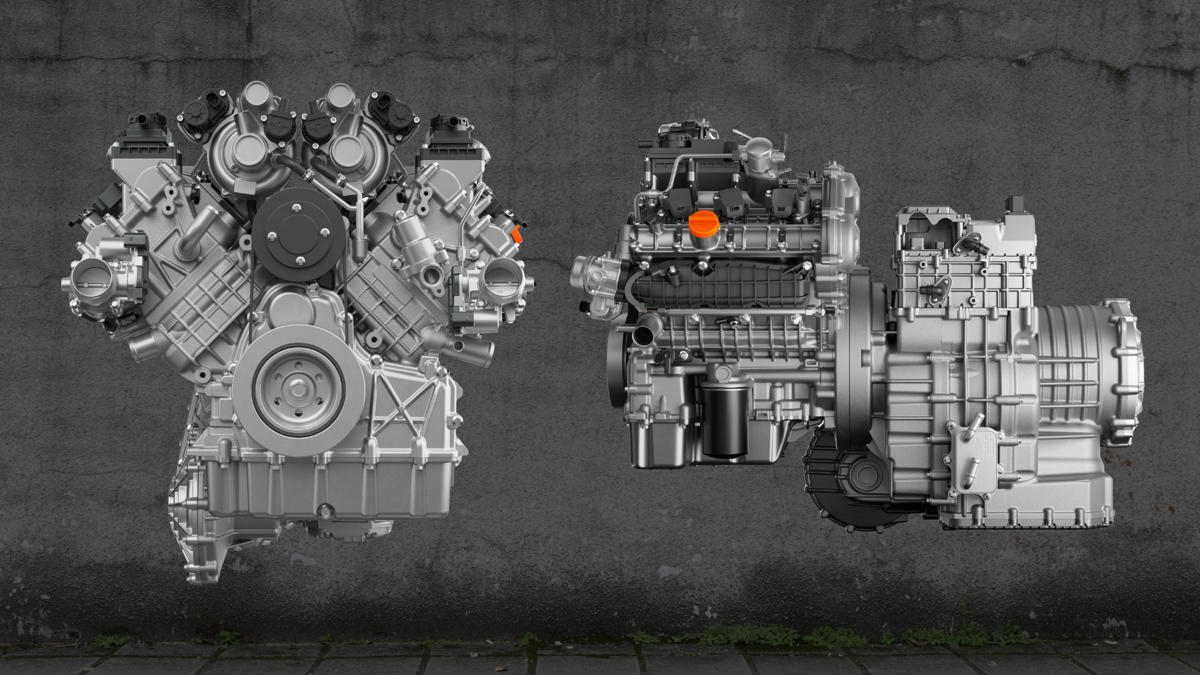
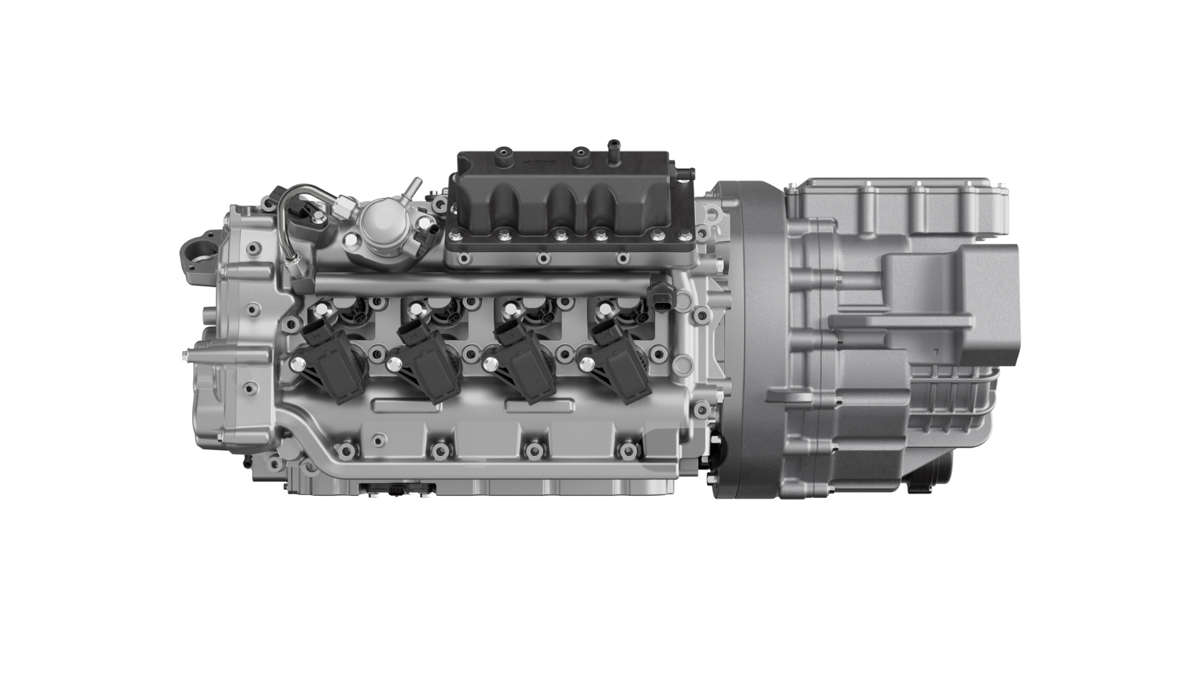
First shown in Beijing, the HORSE D20 Methanol is an innovative powertrain specifically designed to act as a reserve power source for REEVs. By integrating a 2.0-liter turbocharged four-cylinder engine with power electronics and a generator, the system outputs up to 141 horsepower while weighing just 375 pounds. This incredible packaging rivals the brand's own lighter hybrid V6 on the market, burning 100% methanol fuel instead of gasoline to drastically reduce emissions.
What sets the HORSE D20 apart is its ability to overcome methanol's historical weakness: freezing weather. Thanks to a 240mJ high-energy ignition system, this engine achieves ultra-lean burns and executes pure-methanol cold starts in temperatures plunging to -31°F. The powertrain hits a staggering 47% fuel-to-energy conversion ratio, meaning it can fully recharge a 40kWh EV battery using just 5.2 gallons of fuel.
The secret sauce lies in the system’s all-new generator architecture. It features a revolutionary "yokeless" axial flux motor mounted directly on the engine crankshaft. Unlike standard radial flux motors, this design stacks the rotor and stator like disks. It is 46% shorter and boasts 63% higher volumetric power density. Achieving 96.4% electrical efficiency, and almost as efficient as HORSE's next-generation hybrid.
Horse Powertrain
The Lowdown
So, what does this mean for the American market? Although BMW ignores them, REEVs are rapidly becoming the logical stepping stone for US consumers hesitant to go fully electric. America’s vast highways and extreme winter temperatures have long exposed the weaknesses of pure battery-electric vehicles. A methanol-powered range extender provides an incredibly pragmatic solution, marrying EV driving dynamics with zero cold-weather range penalty.
Ultimately, HORSE Powertrain has proved that the internal combustion engine is far from dead; it just needed a greener diet. If automakers successfully scale the domestic methanol supply chain, this compact REEV generator could become the missing link that gets every American driver comfortably behind the wheel of an electric vehicle.
Horse Powertrain
Join the conversation
You can post now and register later. If you have an account, sign in now to post with your account.