_811205.png)
_e196d8.png)
_32b3d9.png)
_1c53fe.png)

Toyota has spent decades competing with Japan's biggest automakers, but the company's new Chief Industry Officer, Koji Sato, believes the industry's future depends on knowing when not to compete. In a recent interview with Automotive News, Sato outlined a vision where Japan's carmakers work together on core technologies and manufacturing standards, freeing each brand to focus on the innovations that truly set its products apart.
Less Duplication, More Innovation
Sato said his newly created Chief Industry Officer role is designed to strengthen the connection between Toyota and the wider automotive industry. It also complements his position as chairman of the Japan Automobile Manufacturers Association (JAMA), where he is helping steer the industry through what he described as a "once-in-a-century period of transformation."
Rather than having Japan's seven automakers solve many of the same engineering challenges independently, Sato wants them to share common standards for fundamental components and manufacturing processes. The objective is to reduce duplicated effort while allowing Honda, Nissan, Mitsubishi and the rest of its domestic rivals to invest more heavily in technologies and features that truly differentiate their vehicles.
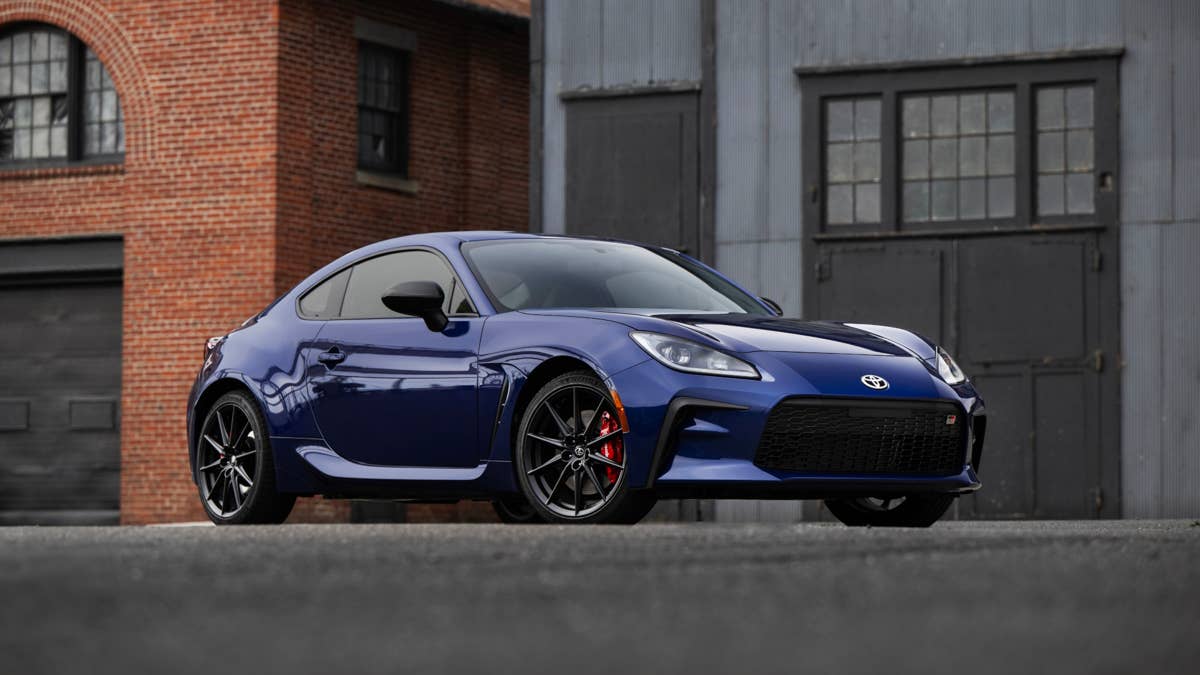
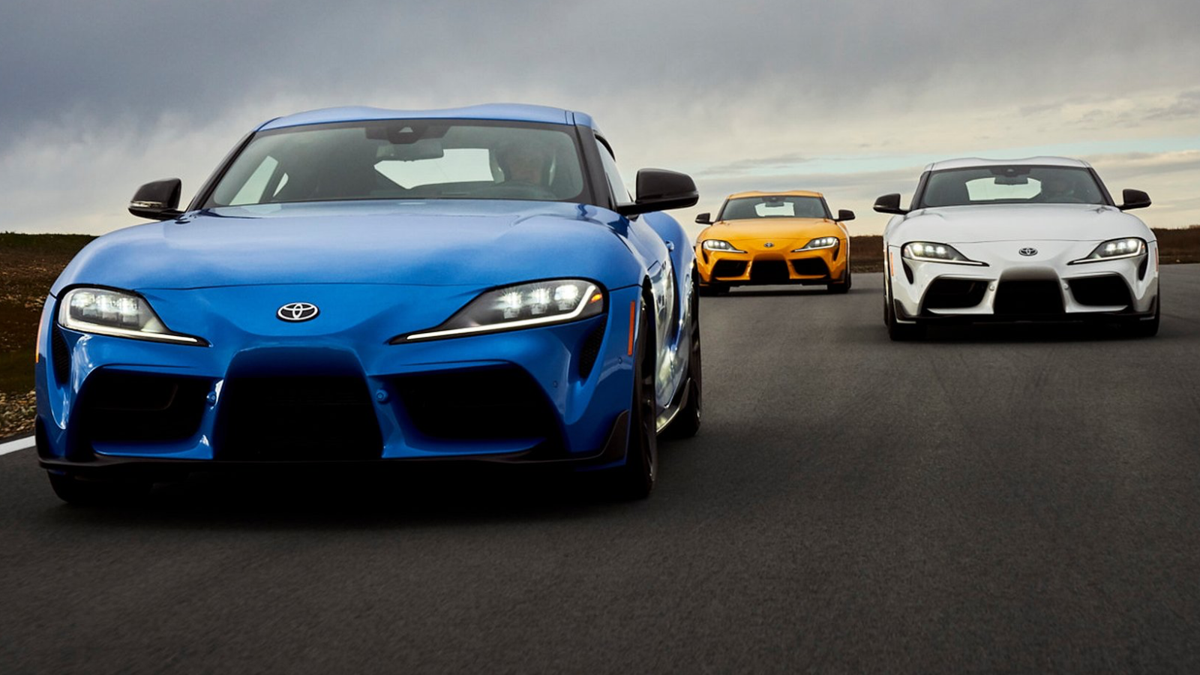
Toyota is no stranger to collaboration. It co-developed the GR86 with Subaru, shares the Supra platform and powertrain with BMW, and has partnered with Suzuki and Mazda on several joint projects over many years.
One Standardized, Stronger Supply Chain
Toyota
Toyota
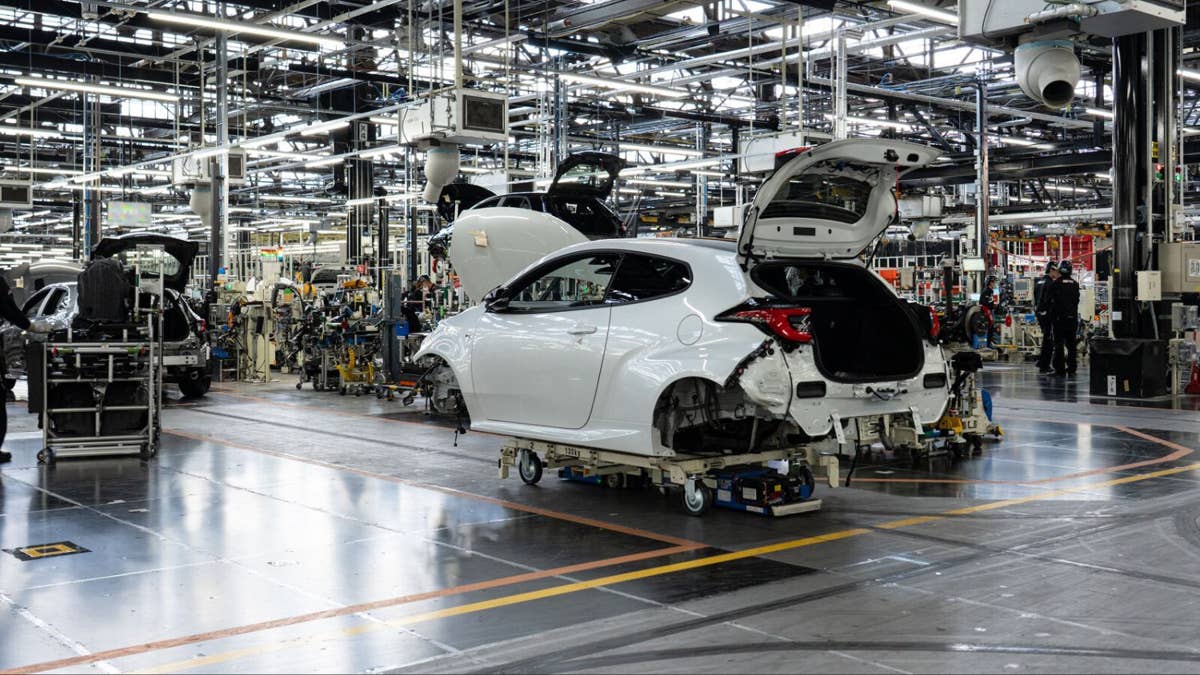
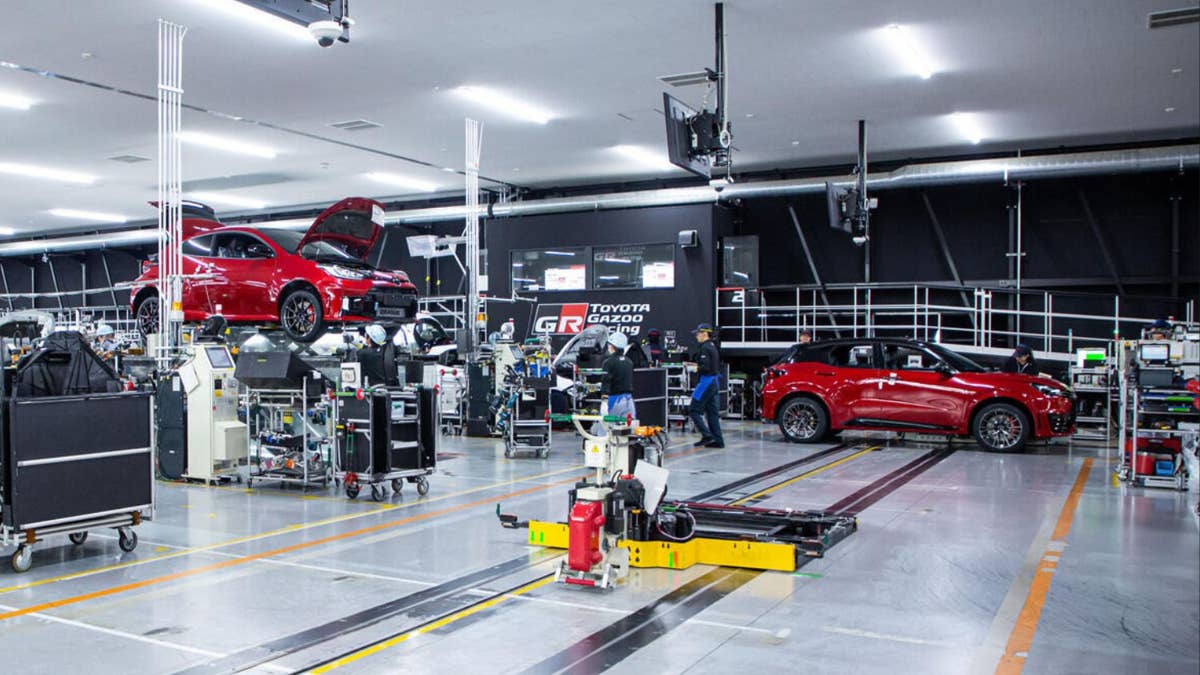
Sato pointed to material specifications as one area where greater cooperation could benefit the entire industry. Suppliers currently produce countless variations of similar materials to satisfy each manufacturer's individual requirements, creating unnecessary complexity throughout the supply chain.
Even something as simple as standardizing steel tolerances, he said, would dramatically improve productivity. "We can shift the resources previously consumed by reducing operational complexities… toward more creative endeavors, specifically the development of new technologies," Sato explained. He believes this approach would strengthen Japan's manufacturing base, improve international competitiveness, and ultimately lead to higher-value vehicles for customers.
Lessons For Toyota's Future
Toyota
Toyota
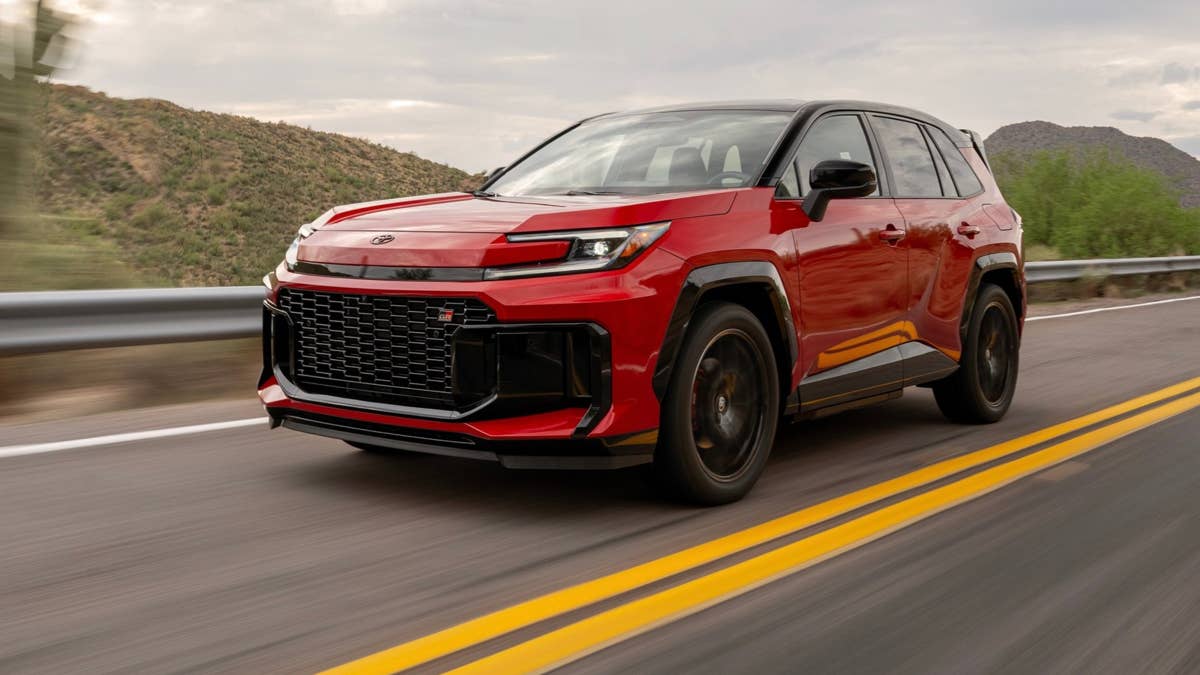
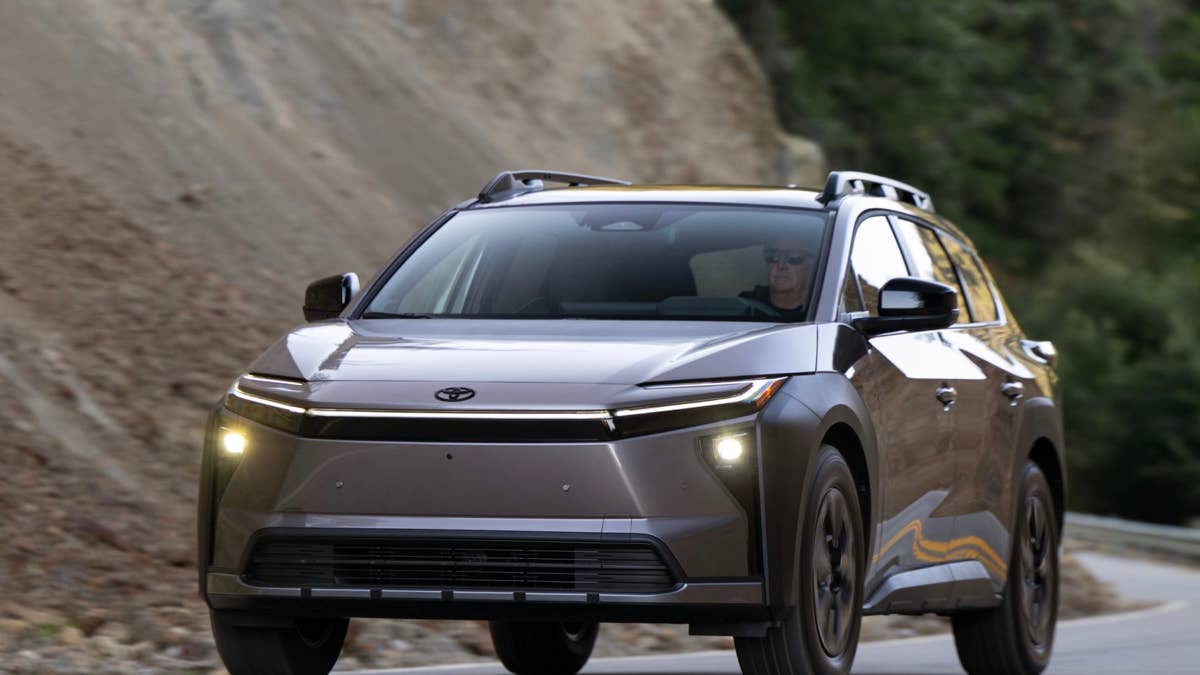
Toyota's recent performance highlights both the opportunities and challenges facing the company. EV sales in America more than doubled, but demand for the RAV4 has far outstripped supply, resulting in an estimated 55,000 lost US sales this year. Fortunately, Toyota is opening its first new factory in Japan since 2012, but Sato believes the solution extends beyond simply building more factories.
While he wasn't referring to the RAV4 specifically, a supply constraint is exactly what his strategy aims to address. By standardizing more of the industry's foundational components and manufacturing practices, suppliers could respond more efficiently when demand spikes, while automakers would be free to dedicate more resources to innovation instead of reinventing the same basic technologies.
That could prove increasingly important as Toyota battles growing competition from Chinese automakers, a key factor behind the company's four consecutive months of declining global sales. If Sato's vision becomes reality, Japan's carmakers may find that collaborating on the fundamentals is the best way to stay two steps ahead of the competition.
Join the conversation
You can post now and register later. If you have an account, sign in now to post with your account.