_811205.png)
_e196d8.png)
_32b3d9.png)
_1c53fe.png)

After Canada decided to lower import tariffs on Chinese electric vehicles earlier this year, a move that was met with swift criticism and alarm from the United States, it was only a matter of time before the USA retaliated.
Everyone expected the U.S. to play hardball during the renegotiation of the United States-Mexico-Canada Agreement (USMCA), and that’s what reportedly happened during the first round of negotiations. Canada wasn’t even included in the talks held in Mexico City this week between the U.S. and Mexico alone.
What’s more, there’s reportedly no Canada-specific provision regarding local content, which essentially writes out Canada before negotiations have even begun.
U.S. Aims To Raise North American Auto Content To 82%
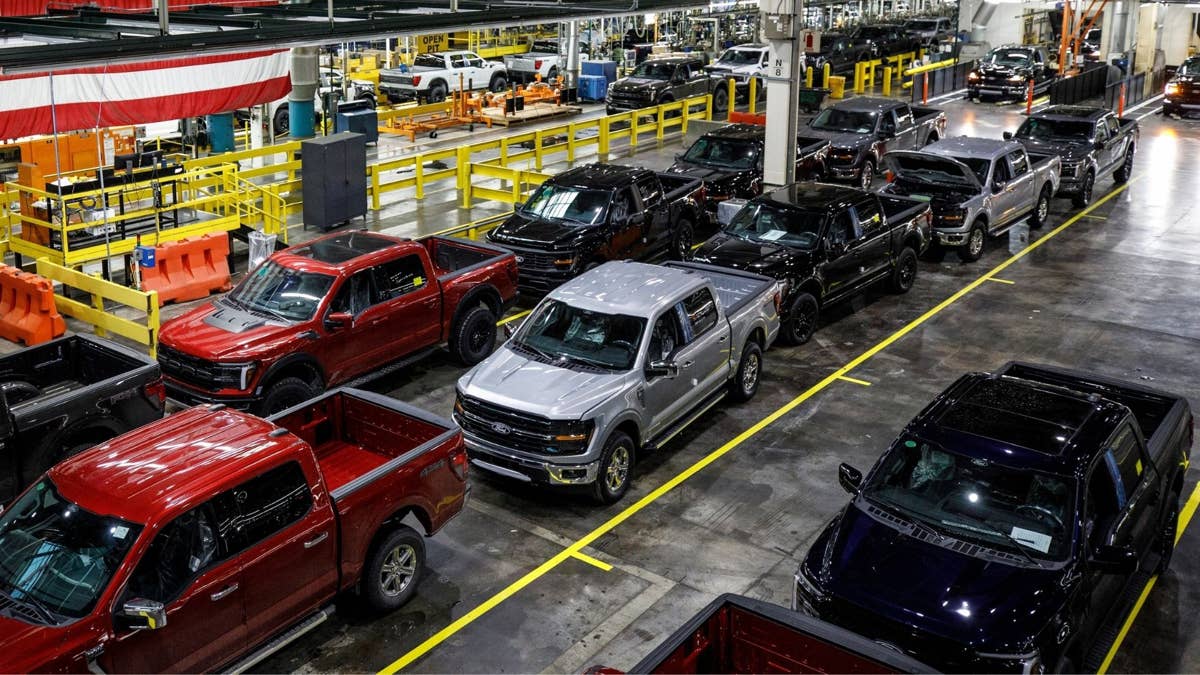
Ford
The Trump administration issued an extensive demand to Mexico to raise the level of regional content in North American-built cars and trucks to 82% to qualify for preferential tariffs, with 50% of that value produced in the United States, Reuters reported citing four people familiar with the U.S. negotiation stance. It’s worth noting that USMCA has never featured a country-specific floor in the past.
The new thresholds are significantly higher than the current terms of USMCA, which include 75% regional content and 40% of the core parts value of North American passenger vehicles produced in high-wage jurisdictions (essentially the U.S. or Canada); the threshold is currently 45% for pickup trucks. The core parts cover engines, transmissions, major body parts, and EV batteries.
America's new demands effectively eliminate Canada from a key USMCA localized production requirement as the bilateral talks with Mexico included no provision for counting any parts content from Canada in the revised totals, Reuters’ sources added.
Mind you, this could be a strategy of U.S. Trade Representative (USTR) Jamieson Greer to first negotiate the rules of origin with Mexico and then present them to Canada as a take-it-or-leave-it proposition, auto industry officials told Reuters. Greer did not say specifically whether USMCA would continue as a trilateral trade pact or be broken into separate bilateral agreements.
Two New Rounds Of Mexico Talks Coming Up, But None With Canada
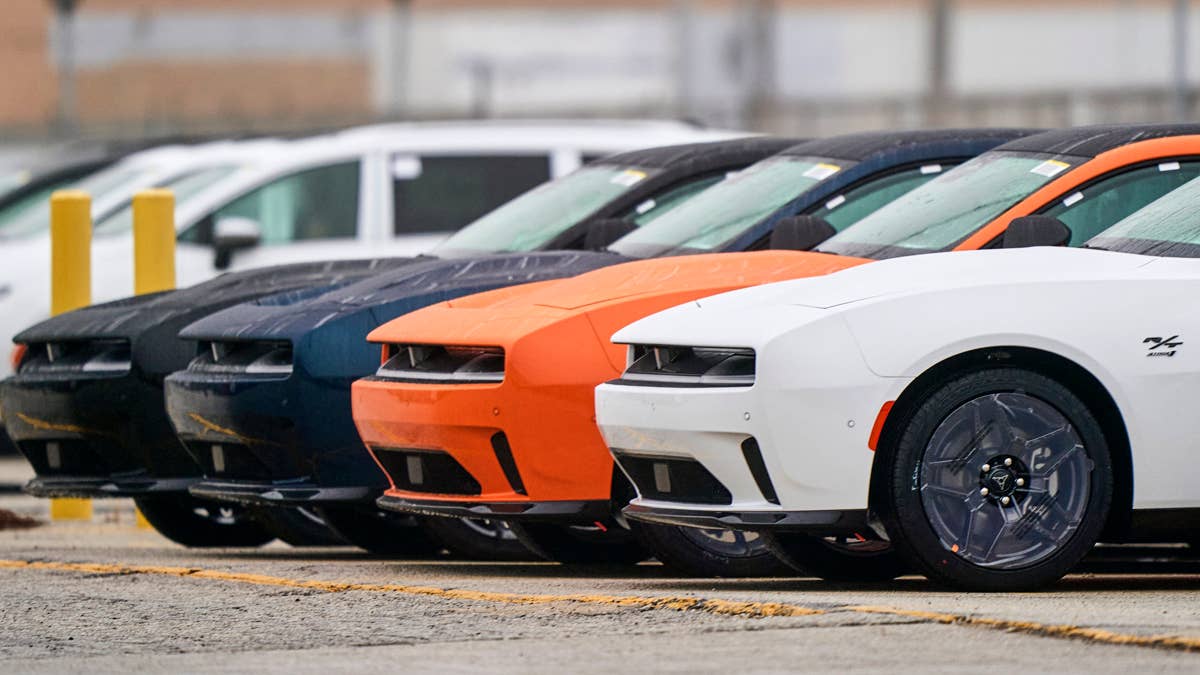
Getty Images
USTR said a new round of U.S.-Mexico talks would take place on June 16-17 in Washington, D.C., focusing on agriculture and a “level playing field.” A third round is scheduled for the week of July 20 in Mexico City. Meanwhile, no talks with Canada have been scheduled.
In recent months, Trump administration officials have frequently criticized Canada’s exports of vehicles and auto parts to the U.S. and repeatedly requested the country to move that production to the United States. In January, Donald Trump himself slammed Canada's Chinese EV deal, calling it a disaster, and threatened 100% tariffs.
Last year, the U.S. imposed 25% import tariffs on Canadian and Mexican vehicles and components, as well as 50% duties on steel, aluminum and copper from its North American neighbors. Despite being members of USMCA, which is the successor to the North America Free Trade Agreement (NAFTA), Canada and Mexico are levied higher tariff rates on vehicles than Japan, South Korea, the European Union and the United Kingdom.
The revised trade pact is expected to retain some level of tariffs on key Canadian and Mexican goods and metals, at least if the U.S. gets its way.
The formal joint review and deadline to decide on the initial renewal of USMCA is July 1, 2026. If the three parties agree on the new terms, the agreement is extended for 16 years; if not, USMCA enters a cycle of annual reviews and negotiations that could last a decade. That’s because if no resolution is reached during the annual reviews, the pact is set to expire in 2036.
Join the conversation
You can post now and register later. If you have an account, sign in now to post with your account.