_811205.png)
_e196d8.png)
_32b3d9.png)
_1c53fe.png)

Germany’s Automotive Titan Navigates a Structural Shift
The broader European manufacturing landscape is shifting rapidly as Germany's auto industry faces a systemic decline driven by high energy costs, intense regulatory pressure, and aggressive foreign competition. Even Volkswagen, long considered the untouchable backbone of global automotive production, has been forced to initiate severe countermeasures. In a bid to protect its future, the Wolfsburg giant is executing a massive restructuring campaign to protect shrinking profit margins and streamline bloated operations.
Automotive News has acquired transcripts of VW Group CEO Oliver Blume's speech at an annual shareholders' meeting, and according to it, the company has secured agreements for more than 28,000 employee departures through 2030. Roughly 19,000 of these workforce reductions will hit German factories by the end of this year alone. This aggressive downscaling has already generated about 1 billion euros in sustainable savings. However, this is just the opening salvo in a larger plan targeting 50,000 job cuts across core brands such as Audi, Porsche, and the Cariad software division.
Shrinking Footprints and the Fight Against Economic Headwinds
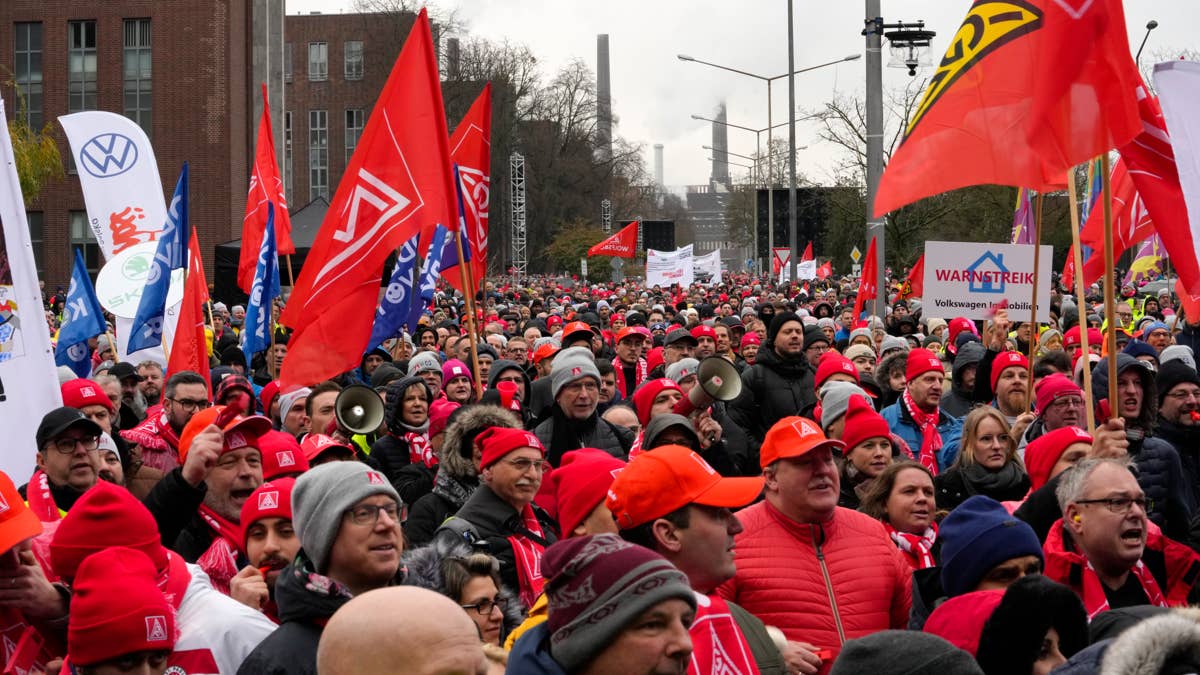
Volkswagen has spent months negotiating complex labor pacts to manage these departures. The restructuring comes at a time when the automaker is battling falling margins, as evidenced by reports showing Volkswagen's global profits collapsing under intense pressure. To counter this, management is aggressively scaling back manufacturing capacity, effectively cutting millions of cars from its global production network to match lower demand. These painful decisions align with a broader initiative in which Volkswagen plans massive 20 percent cost cuts across its entire group operation to stabilize its balance sheet.
The manufacturing footprint is being scaled back from a pre-pandemic capacity of 12 million vehicles annually to a leaner 9 million. While German factory costs dropped by 20 percent last year, Blume warned that severe economic headwinds are swallowing up these hard-earned gains. To protect the remaining business, VW is simplifying vehicle platforms, reducing product complexity, and granting more autonomy to its regional divisions. The company expects a modest operating margin between 4 percent and 5.5 percent for the current fiscal year.
The Lowdown
This drastic downsizing highlights a fundamental shift in how Western legacy automakers must operate to survive. As European production becomes increasingly cost-prohibitive, rumors suggest that Volkswagen may bring China-built cars to Europe to preserve competitive pricing on electric vehicles. Leveraging highly efficient Chinese supply chains and local partnerships might be the only viable shortcut to offset the immense costs of the EV transition.
It is disheartening to witness tens of thousands of factory workers lose their livelihoods in the birthplace of the modern automobile. Yet, a leaner, more agile Volkswagen is exactly what the market demands right now. Car enthusiasts and industry analysts alike can only hope that one of the world's most respected and venerable brands successfully navigates this storm and emerges stronger on the other side.
Join the conversation
You can post now and register later. If you have an account, sign in now to post with your account.