_811205.png)
_e196d8.png)
_32b3d9.png)
_1c53fe.png)

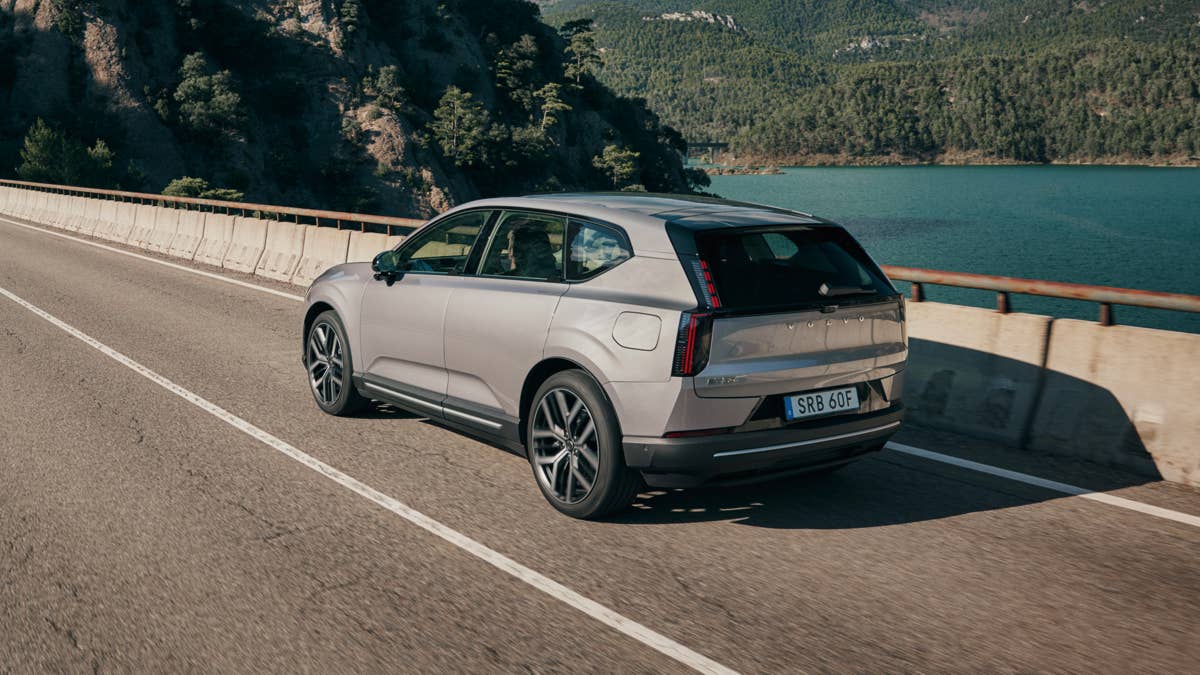
Volvo Cars announced on May 26 it was granted a specific authorization from the U.S. government allowing it to continue selling connected vehicles in the country.
The Swedish automaker, which is majority owned by China’s Geely Holding, was required to follow a process with the U.S. Department of Commerce to obtain a specific authorization for the continued import and sale of connected cars in the country under the ICTS Connected Vehicles Rule.
The rule heavily targets two main technologies—Vehicle Connectivity Systems (VCS), such as Bluetooth, cellular, Wi-Fi, and satellite modules over 450 MHz, and Automated Driving Systems (ADS).
“The process is carried out on a case-by-case basis and the issuance of a specific authorization follows constructive discussions with the U.S. Department of Commerce and other U.S. officials regarding Volvo Cars' governance, technology and data security,” Volvo Cars said in a statement.
The Restrictions Took Effect In March 2026 For The 2027 Model Year
Volvo
In January 2025, the Biden administration decided to ban nearly all Chinese cars and trucks from the U.S. market as part of a crackdown on vehicle software and hardware from China for national security purposes.
The restrictions that took effect in March 2026 for the 2027 model year include a ban on most Chinese-developed and maintained software and targets companies with significant Chinese ownership, such as Volvo Cars and Polestar, which is also majority-owned by Geely.
Polestar hasn't been given the authorization yet; the company separately said on May 26 it continues “to work with U.S. authorities to meet the requirements of the announced regulations,” according to CNBC.
Volvo
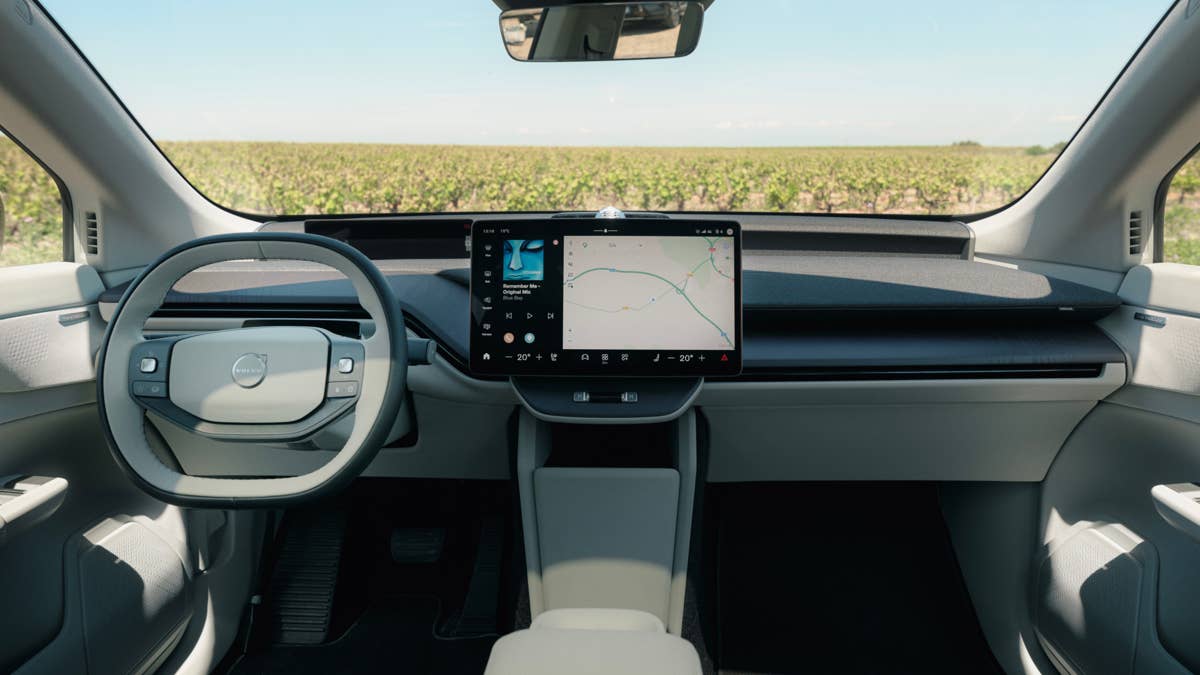
The specific authorization granted to Volvo Cars allows it to continue selling vehicles in the U.S., its second largest national market after China. Last year, Volvo Cars sold 121,600 vehicles in the United States, down 2.9% from 2024.
Volvo Cars currently imports all of its vehicles into the U.S. from Europe, with the exception of the EX90 electric SUV, which is built at its plant in Ridgeville, South Carolina. The carmaker used to also import cars from China—most recently the EX30 subcompact SUV—but it halted those imports after prohibitive U.S. tariffs on Chinese-made cars came into effect.
Volvo Cars Has Committed To Building More Cars In The U.S.
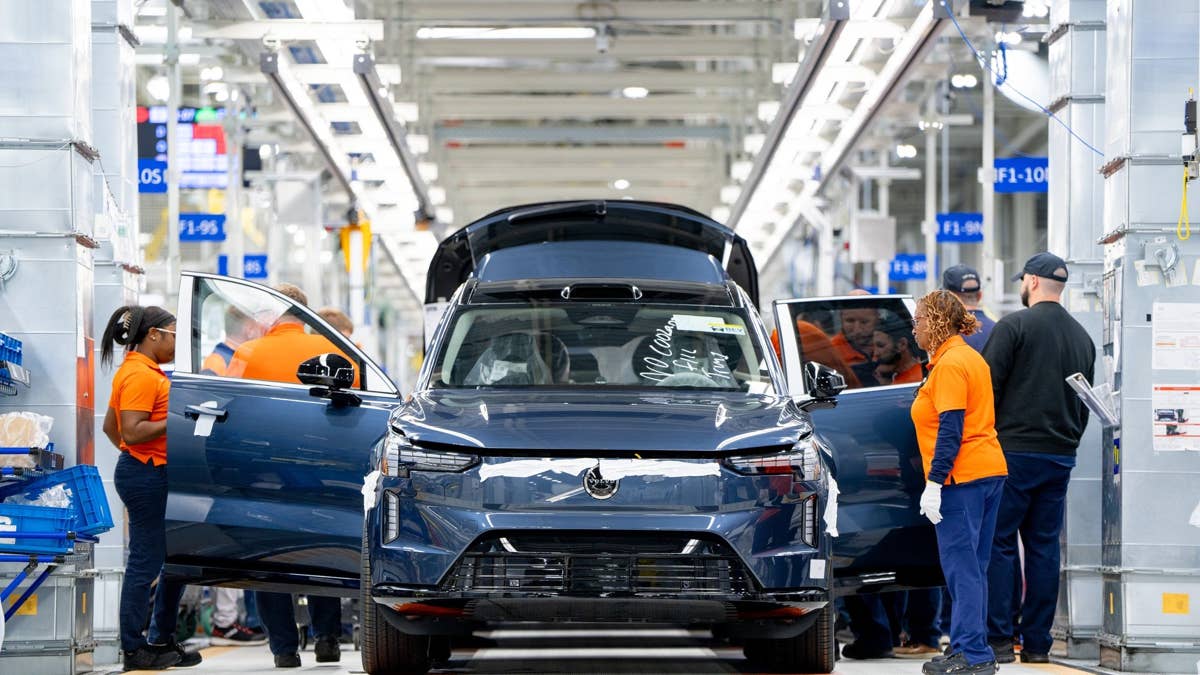
Volvo Cars CEO said in April 2025 that the company would build more vehicles in the U.S., and the carmaker followed up in July by announcing plans to start producing its XC60 mid-size SUV in South Carolina in late 2026.
In September 2025 Volvo also said it would begin producing a next-generation hybrid model in the U.S. by the end of the decade. The new model will be designed for the U.S. market and help Volvo increase capacity utilization at its South Carolina factory. Starting in the fourth quarter of 2026, the plant will also begin producing the Polestar 3 for global markets.
Volvo’s manufacturing facility in Ridgeville, which is about 40 miles northwest of Charleston, has received over $1.3 billion in investments to date, leading to the creation of over 2,000 jobs.
For many years, Volvo Cars has been one of the most dedicated automakers to electrification, aiming to phase out all non-electric models by 2030. However, the company reversed course last year and said it would keep making hybrids.
Join the conversation
You can post now and register later. If you have an account, sign in now to post with your account.