_811205.png)
_e196d8.png)
_32b3d9.png)
_1c53fe.png)

More than a Badge Job?
If you're familiar with Volkswagen's global models, then you'll know that the Atlas and the Teramont are practically one and the same. It's been that way since the first generation, and if you park the 2018 models side by side, the two are practically identical twins. Over the years, more styling changes were made between the two, but there was no denying the fact that the Atlas and Teramont were practically rebadged versions of each other.
For the second generation, the Chinese Teramont came out first, and it took a while before the Atlas appeared. Again, the two look identical, but there are apparently subtler nuances between them. See, in the second iteration of both VW crossovers, more changes were made to suit local tastes, though they are not immediately noticeable.
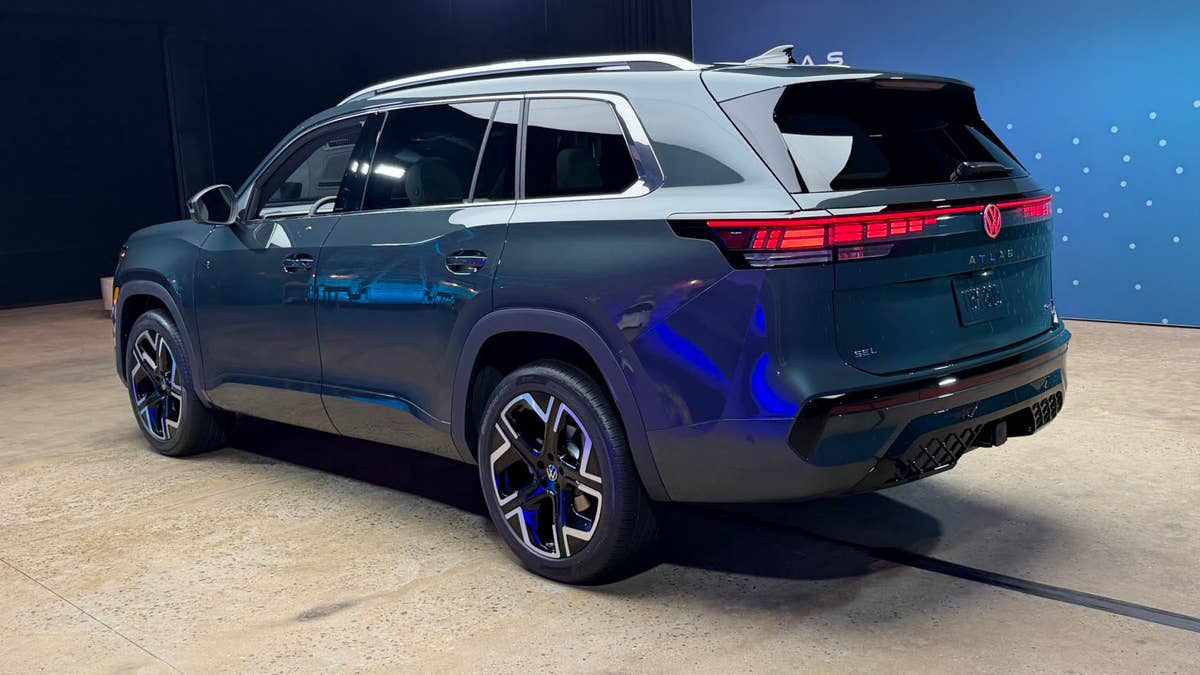
Adam Lynton / Autoblog
More Differences Now
Car Design News recently interviewed Volkswagen designer William Lee. Lee explained the greater differences between the Atlas and the Teramont, and they reflect differing tastes between American and Chinese consumers.
The designer mentioned that visibility is a high priority for Chinese customers, meaning the hood of the Teramont is actually lower than that of the Atlas. The Teramont also sports a different grille from the Atlas, as the Chinese market prefers more prominent grilles. It's also the reason more and more automakers are opting for larger grilles, mainly to appease customers in the People's Republic. One will also notice the different bumpers, but that's more due to regulation.
It's also worth pointing out that the Teramont is pitched as a more luxurious vehicle in China, whereas the American Atlas is more of a 'regular traffic' kind of crossover. There's more emphasis on rear-seat comfort, and the captain's chairs have configurations unavailable in the Atlas. Infotainment differs, too, as Chinese-market cars come with localized software. That said, the flush door handles on the Teramont might not hang around for much longer due to legislation. The Atlas has, thankfully, hung on to the regular handles.
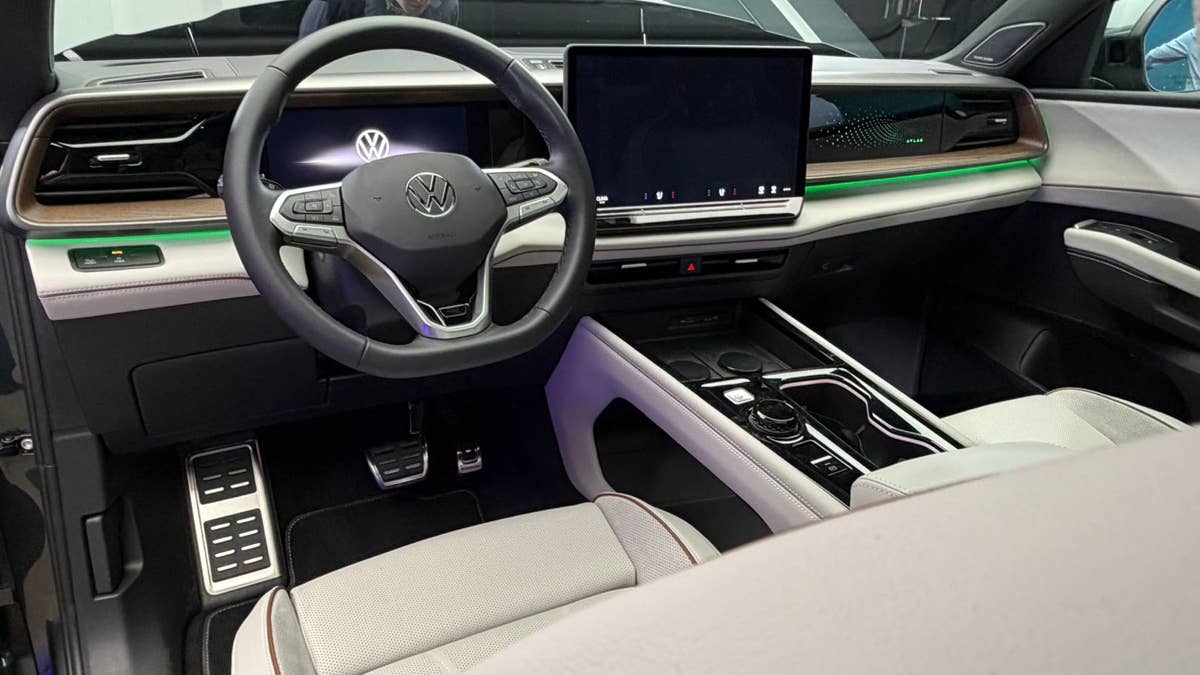
Adam Lynton / Autoblog
Similarities and Differences
Under the skin, the two crossovers are the same. The platforms are the same, as are the exterior hard points, doors, and the tailgate. Surprisingly, the cabins look identical, with the large touchscreen, elevated center console, and even ambient lighting. Both are even available with a passenger-side screen.
Both also come with a turbocharged 2.0-liter engine, but differ in output. The Altas produces 282 hp and 295 lb-ft of torque, whereas the Teramont produces 272 hp and 295 lb-ft of torque. Transmissions differ, too: the Atlas is equipped with an 8-speed automatic, while the Teramont gets a dual-clutch. The reason for that is towing, as it's a bigger deal in North America than in China.
The redesigned VW Atlas will arrive in showrooms by the fall of this year as a 2027 model.
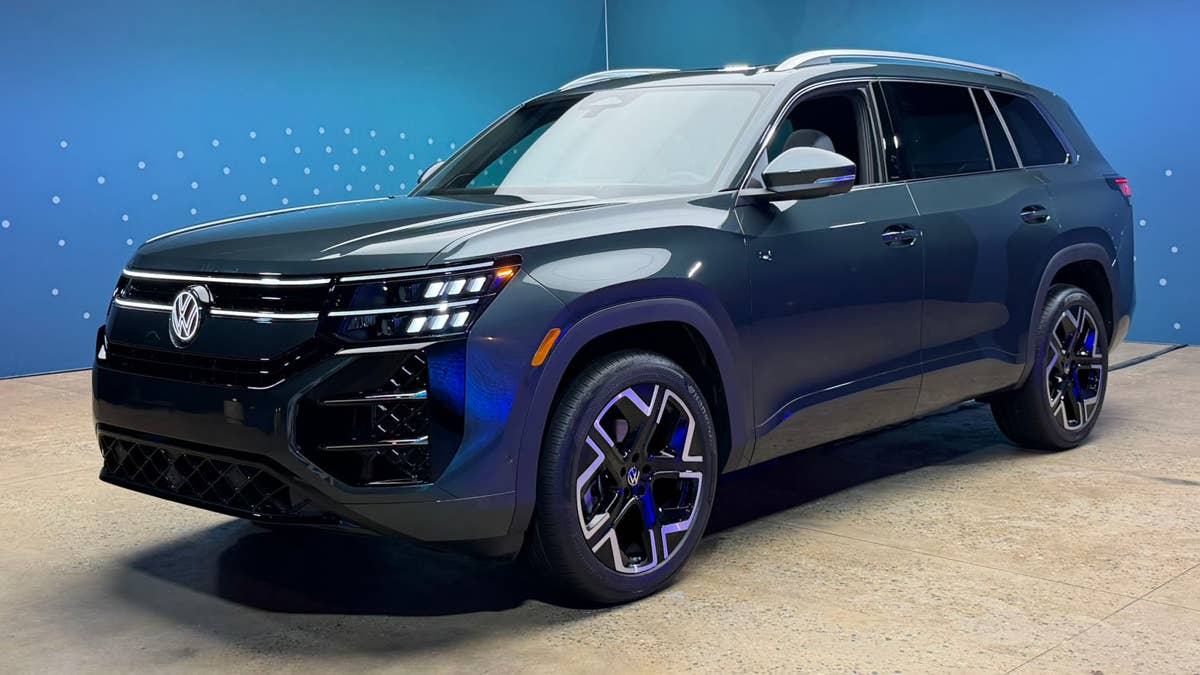
Adam Lynton / Autoblog
Join the conversation
You can post now and register later. If you have an account, sign in now to post with your account.