_811205.png)
_e196d8.png)
_32b3d9.png)
_1c53fe.png)

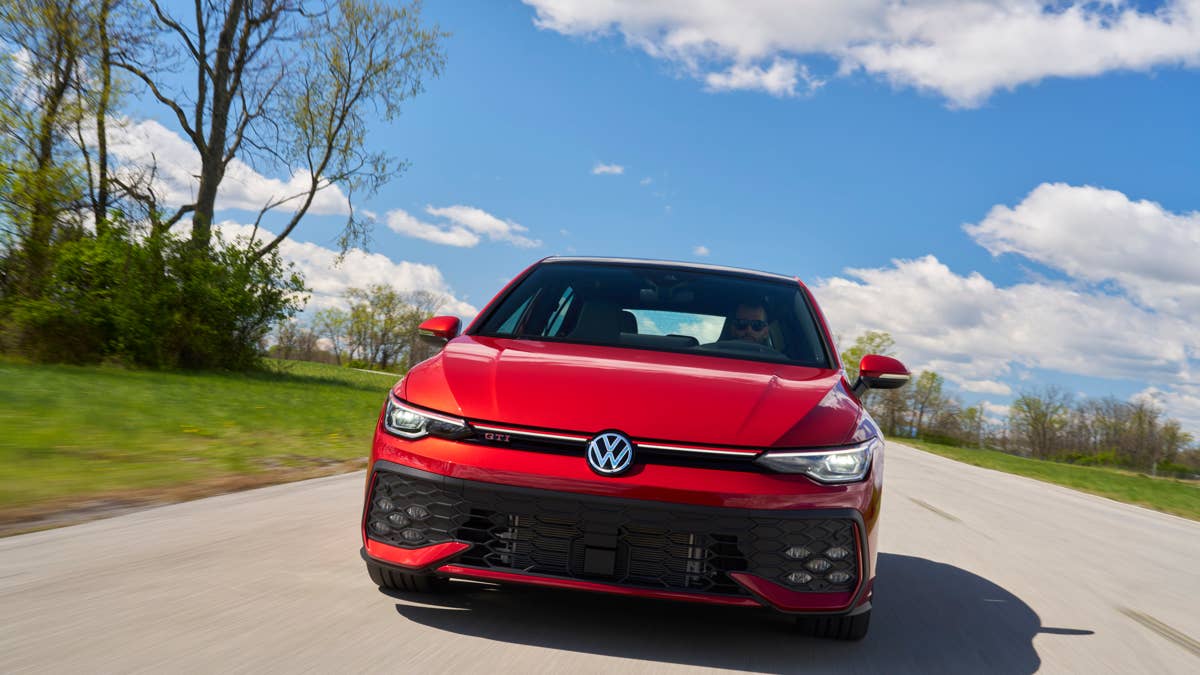
Volkswagen's restructuring plans appear to be growing even more drastic. According to a report by German business publication Manager Magazin, the company is considering cutting as many as 100,000 jobs while closing four factories as it battles rising competition, particularly from fast-growing Chinese car brands.
Volkswagen's Job Cuts Could Double
VW
According to the report, Volkswagen's restructuring could be far more extensive than previously expected. Earlier plans called for around 28,000 job cuts within the core Volkswagen brand, while more than 50,000 positions across the wider Volkswagen Group, including Porsche, Audi, and software division Cariad, were already expected to disappear by 2030. However, the latest report suggests the total number of layoffs could eventually rise to 100,000 employees. Manager Magazin also claims Volkswagen could shut down four factories, including plants in Emden, Zwickau, Hanover, and Audi's Neckarsulm facility.
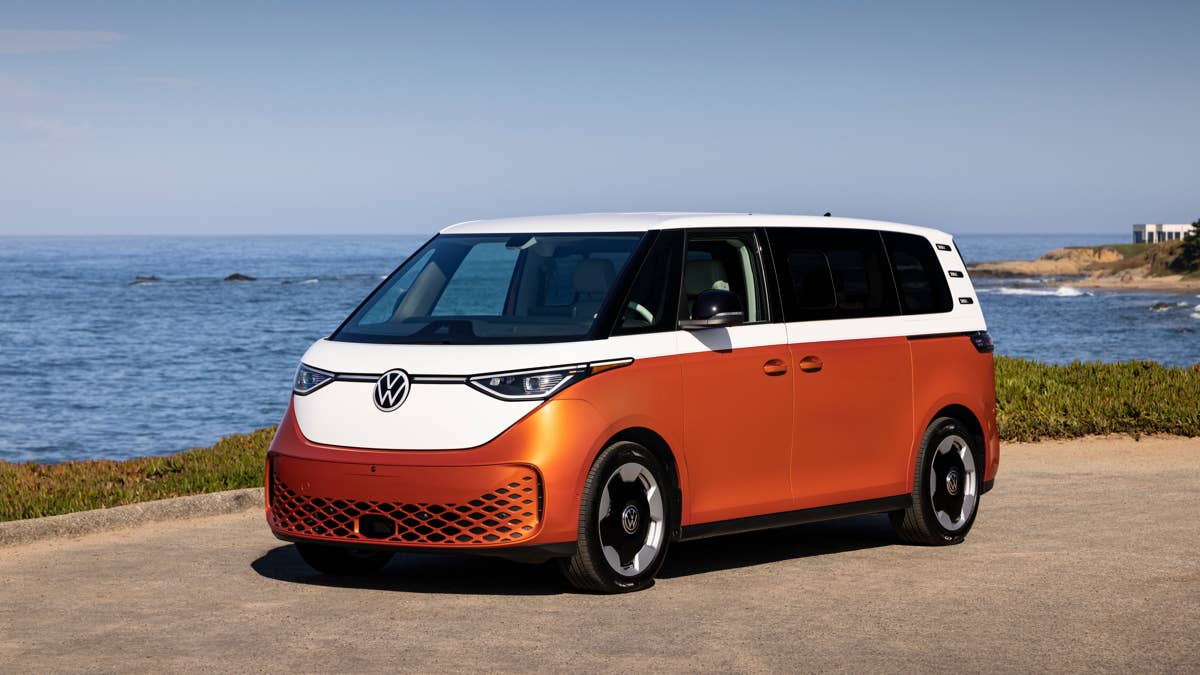
The Emden and Zwickau facilities manufacture all-electric vehicles, namely the ID.4, ID.5, ID.7, Audi Q4 E-Tron, and the Cupra Born. The Hanover factory assembles commercial vehicles like the ID. Buzz, California, and the Caravelle/Transporter, and Multivan. Audi's Neckarsulm facility builds the A5, A6, A8, the all-electric E-Tron GT, and various RS cars.
Fewer Models, Lower Costs
VW
Part of Volkswagen's strategy reportedly involves simplifying its global lineup to reduce costs. Instead of offering a broad range of low-volume models and variants, the company wants to focus on its best-selling vehicles, similar to Toyota's approach, adopted under its new leadership. Volkswagen plans to reduce the number of platforms underpinning both its internal combustion and electric vehicles. By sharing more architecture across its lineup, the automaker hopes to cut engineering and manufacturing costs while speeding up the development of future models.
Volkswagen remains confident in EVs' adoption. The brand believes ICE cars will eventually become inferior to EVs, arguing that the transition will follow in the footsteps of how gasoline-powered cars rendered horses useless more than a century ago.
Chinese Competition Is Changing The Industry
Xiaomi
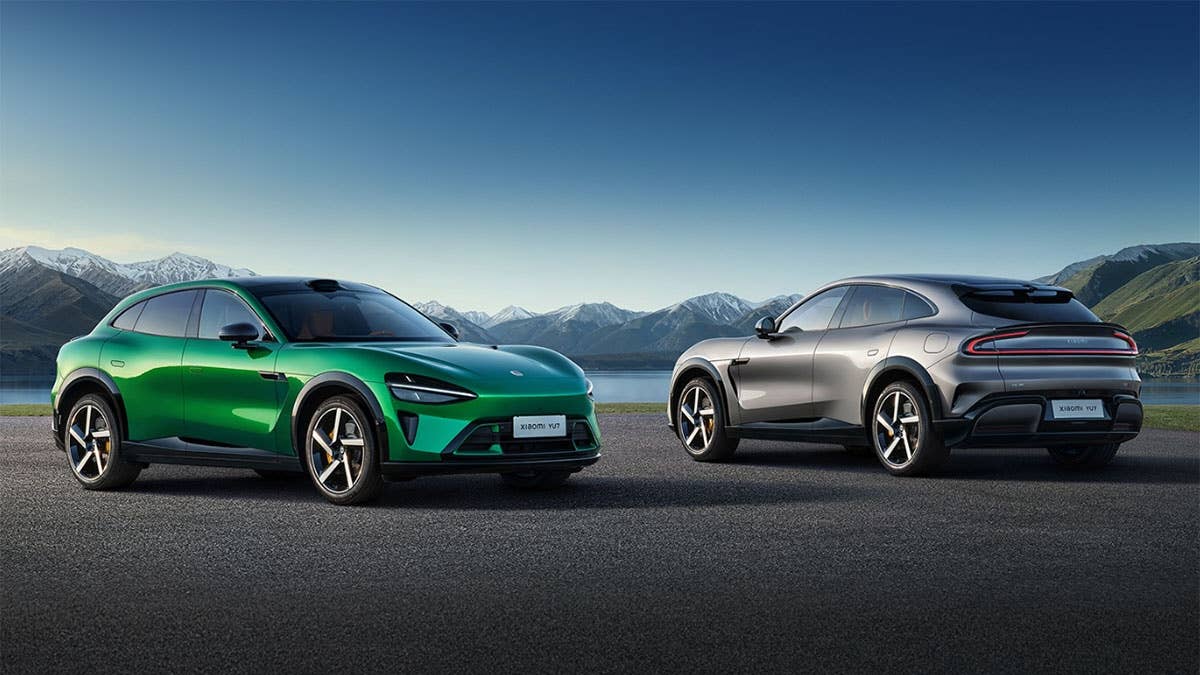
If Manager Magazin's report proves accurate, it would represent one of the biggest restructuring programs in Volkswagen's history. Much of the pressure likely stems from Chinese automakers rapidly gaining market share worldwide, forcing legacy manufacturers to rethink how they compete. While Chinese brands remain effectively locked out of the US market, Canada has shown a greater willingness to embrace them, provided production takes place on Canadian soil.
Despite the challenges facing its European operations, Volkswagen continues to see success elsewhere. Its Chattanooga plant in the United States recently celebrated its 1.85 millionth vehicle, proving that while some parts of the business are shrinking, others continue to reach new milestones.
Join the conversation
You can post now and register later. If you have an account, sign in now to post with your account.